
As a long-time jewelry manufacturer and supplier working with both traditional and modern materials, I’ve witnessed countless material trends rise and fall. Yet few have grown as rapidly—or sustainably—as silicone beads. In B2B jewelry sourcing, this material represents a new intersection of practicality, consumer safety, and design flexibility. Silicone beads have moved from niche DIY toolkits to large-scale jewelry lines, establishing themselves as a preferred component among brands emphasizing comfort, functionality, and affordability. For global wholesalers, private label developers, and craft accessory distributors, understanding the factors behind this boom is key to capitalizing on a rapidly expanding trend.
Silicone beads are durable, flexible, non-toxic, and available in customizable styles, offering a clean, safe, and creative alternative to traditional plastic or resin beads. Their lightweight, washable, and eco-friendly attributes make them ideal for both children’s jewelry and fashion-forward accessories. With OEM/ODM capabilities expanding across Asia, silicone beads now offer lower MOQs, faster mold development, and shorter lead times than ever before—perfect for private label opportunities and niche craft collections.
From a strategic standpoint, this growing material category aligns perfectly with post-pandemic consumer behavior shifts. Shoppers increasingly demand products that combine wellness, sustainability, and creativity. Silicone’s chemical safety, water resistance, and long lifecycle appeal to these preferences. For B2B buyers, knowing how to source, brand, and apply silicone beads effectively can drive competitiveness across both e-commerce and brick-and-mortar channels.
What Trends Are Driving the Growth of Silicone Accessories in the Global Market?
Silicone beads are not only a product trend—they represent an evolution in jewelry material innovation. Let’s explore the macro and micro forces fueling their rise globally.
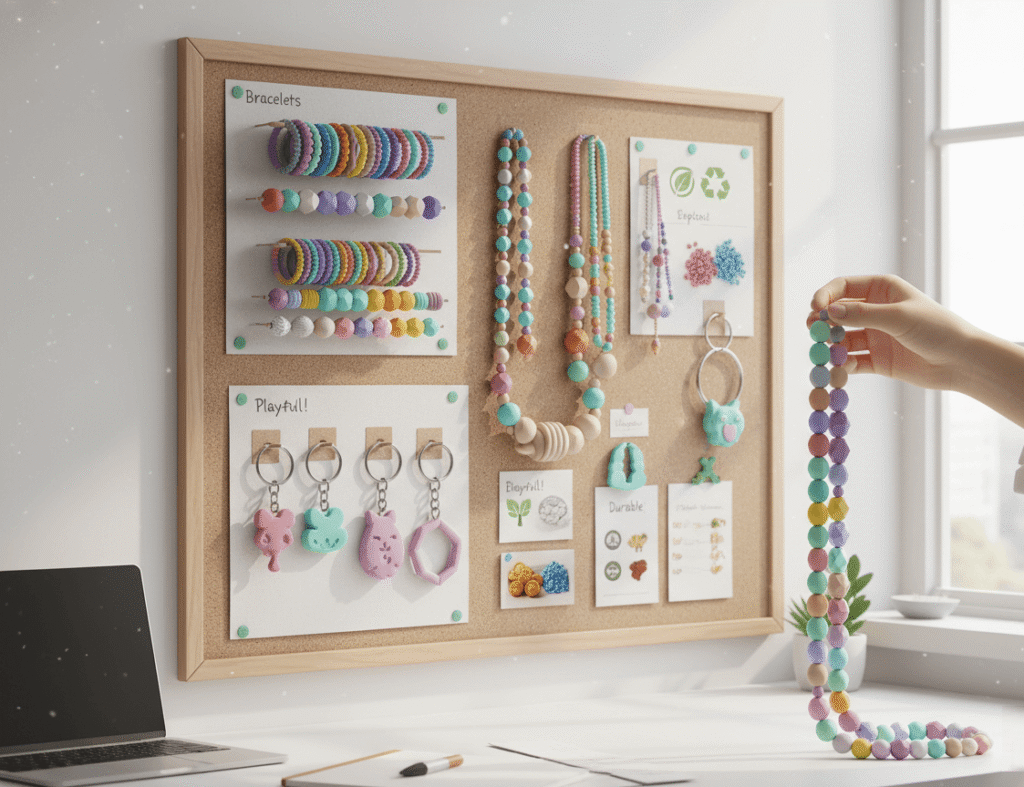
Global Market Drivers
- Health-Conscious Consumer Behavior:
As awareness of BPA and phthalates increases, retailers in the U.S., Europe, and Australia have elevated sourcing standards, leading to higher demand for BPA-free silicone jewelry. - Eco-Conscious Manufacturing:
Compared to petroleum-based plastics, silicone derives from silica (quartz), a renewable natural resource. Its production emits fewer greenhouse gases. For conscientious brands, these environmental credentials enhance marketing value. - Social Media-Driven Trends:
Platforms like TikTok and Etsy are now major incubators for “DIY jewelry challenges” and “craft haul” videos featuring silicone beads. This exposure has normalized silicone as a mainstream jewelry material. - Versatile Applications Across Industries:
Beyond aesthetics, silicone’s functional versatility in teething jewelry, fitness accessories, or even therapeutic fidget products extends its commercial lifespan. - Technology & Cost Efficiency:
Emerging molding and pigmentation technologies allow near-limitless customization. Silicone bead factories in China and Southeast Asia can now offer private molds, logo engraving, and special packaging at competitive rates.
Market Segmentation Overview
| Market Segment | Key Applications | Growth Potential | Buyer Priorities |
|---|---|---|---|
| Craft and DIY Sector | Handmade jewelry, macramé, sensory toys | High | Design variety, low MOQ |
| Infant & Maternity Products | Teething necklaces, pacifier clips | Very High | Non-toxic testing compliance |
| Fashion Jewelry Wholesale | Trend bracelets, casual necklaces | Moderate to High | Custom colors, OEM options |
| Corporate Gifting & Souvenirs | Branded bead keychains | Steady | Logo engraving, packaging |
OEM/ODM Sourcing Evolution
For businesses like mine, embracing OEM/ODM silicone jewelry production is the logical next step in modern B2B supply chains. Silicone molding simplifies color matching, 3D shaping, and texture control—enabling private label clients to launch unique collections without prohibitive tooling costs. Many factories now use FDA-certified silicone raw material and automatic color injection systems, allowing minimal defects and consistent quality across bulk runs.
Sustainability and Longevity
Silicone’s lifespan is measured in years, not months. That durability translates into fewer returns, better customer satisfaction, and long-term brand trust. Buyers appreciate that silicone jewelry offers reusability and recyclability benefits aligned with circular economy trends.
How Can I Leverage Silicone Beads for My Brand’s Next Jewelry Collection?
Having supplied thousands of silicone bead pieces to brands worldwide, I’ve seen first-hand how strategic product planning can turn this material into a bestseller line.

Product Positioning Strategy
For brands aiming to expand a fashion jewelry or accessories portfolio, silicone beads can be positioned in three main product categories:
- Functional Fashion Jewelry – Think soft-touch bracelets, waterproof necklaces, sport-friendly accessories.
- Mom and Baby Lifestyle Products – Safe, stylish, and washable teething necklaces and pacifier holders.
- Mindful and Sensory Accessories – Stress-relief bracelets and fidget-friendly keychains for all ages.
Each positioning strategy opens access to different distribution networks: lifestyle stores, maternity retailers, gift shops, and online marketplaces.
Design Flexibility
Unlike natural stones or glass, silicone can be molded into nearly any design. This means you can:
- Integrate brand logos or slogans directly into bead surfaces.
- Experiment with 3D shapes (stars, hearts, geometric imprints).
- Mix finishes—matte, frosted, pearlized, or glow-in-the-dark.
- Layer complementary textures for tactile sensory appeal.
Material & Color Customization
With modern injection processes, Pantone color matching ensures your bead color aligns perfectly with seasonal collections or brand identity. Many of our private label clients request gradient finishes or dual-color blends—both achievable without a large MOQ.
Table: Material Comparison for Brand Development
| Property | Silicone Beads | Acrylic Beads | Resin Beads |
|---|---|---|---|
| Flexibility | High | Low | Medium |
| Custom Shape Capability | Excellent | Limited | Moderate |
| Temperature Resistance | Up to 200°C | Low | Medium |
| Allergen Safety | Hypoallergenic | Varies | May contain additives |
| MOQ Feasibility | Low | High | Moderate |
Branding and Market Connection
Silicone bead designs appeal strongly to Gen Z and millennial consumers who value both creativity and conscious consumption. Building collections around themes such as wellness, baby-safe fashion, or travel durability can generate powerful storytelling opportunities. I often advise clients to anchor their designs in lifestyle narratives rather than just material novelty.
What Benefits Do Silicone Materials Bring to Handmade or DIY Jewelry?
Within the craft community, silicone beads are creating a quiet revolution. For small business owners, boutique jewelry makers, and DIY hobbyists, silicone beads simplify production while introducing a new standard of practicality and creativity.
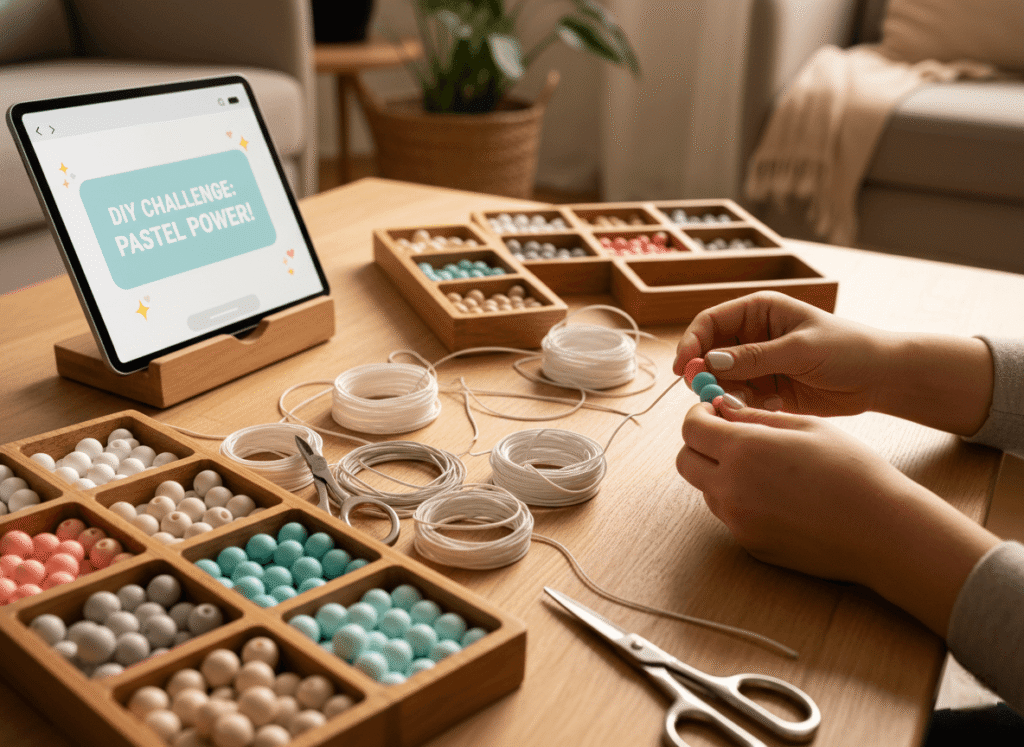
Key Functional Benefits
- Durability and Flexibility:
Silicone’s elasticity prevents damage from drops or stretching. It’s ideal for bracelets that need to stretch or for necklaces intended for active users. - Comfort:
The silky, rubber-like surface prevents irritation—particularly beneficial for sensitive skin. - Hygiene:
Easily washable with mild soap or sterilized, making it attractive for users who value cleanliness. - Safety:
Certified food-grade silicone ensures the material remains free of harmful chemicals. - Customization Potential:
Beads can incorporate embossed letters, glitter textures, or embedded micro-patterns.
Trend-Driven Design Concepts
- Minimalist Monochrome: Simple yet elegant matte-finish silicone beads appeal to urban consumers.
- Pastel Baby Lines: Soft pastel beads crafted for baby-safe necklaces and sensory toys.
- Seasonal Colorways: Spring-summer themes feature coral, sage, and lavender hues in silicone lines.
- Mixed Material Pairing: Silicone combined with wood beads creates earthy-luxury sensory designs.
Material Durability vs. Traditional Options
| Aspect | Silicone | Wood | Plastic |
|---|---|---|---|
| Water Resistance | 100% waterproof | Poor | Moderate |
| Flexibility | Excellent | Rigid | Brittle over time |
| Color Longevity | Non-fading | May fade | May discolor |
| Ideal Use | Activewear, parenting accessories, gifts | Rustic crafts | Low-cost pieces |
Quality Control (QC) Standards for Handmade Jewelry
When producing craft-based silicone jewelry in bulk, we enforce:
- Visual inspection for mold lines or air bubbles.
- Pull tests for cord and bead tension.
- Contact tests for colorfastness and surface abrasion.
- Random sample sterilization trials at 100°C to verify durability.
QC ensures that silicone-based items meet hygiene standards, especially if marketed for baby or body contact products.
How Can I Source Trending Silicone Bead Styles for Wholesale Projects?
If you’re a brand owner or distributor planning to integrate silicone accessories into your product range, sourcing strategically can significantly improve profitability and design differentiation.
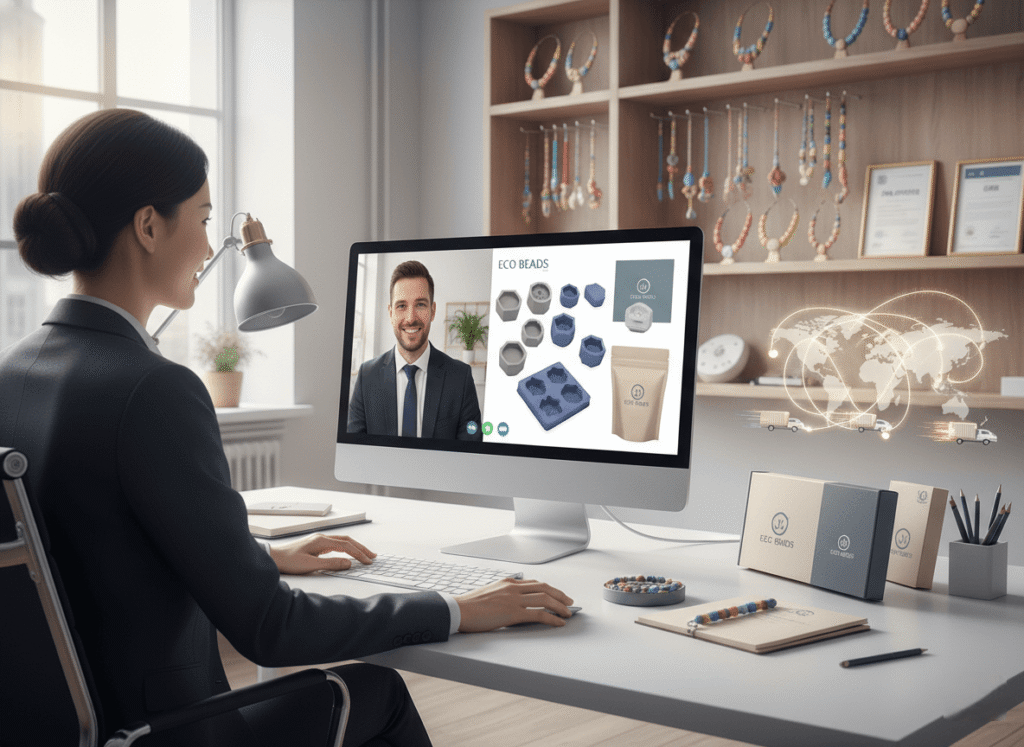
Step 1: Identify Your Market Segment
Before contacting suppliers, clearly define if your end goal is:
- Teething jewelry and child-safe accessories.
- Everyday fashion wearables.
- Craft supply wholesale targeting DIY crafters.
Each segment differs in required certification (CE, CPSIA, FDA) and MOQ flexibility.
Step 2: Evaluate Factory Capabilities
Reliable silicone jewelry OEM suppliers will provide:
- In-house mold design and color formulation.
- FDA- and LFGB-certified raw material sourcing.
- UV stabilization testing for outdoor bead applications.
- Packaging customization and barcode labeling for retail-ready delivery.
Step 3: Compare Plating & Surface Finishing Technologies
Although silicone beads aren’t “plated” like metal jewelry, finishes vary depending on additive methods. Matte, glossy, and pearlized effects often depend on post-mold coatings. Request samples of different surface textures to evaluate in-hand feel and sheen quality.
Step 4: Assess MOQ and Lead Time
Most fashion jewelry wholesalers in China can now deliver silicone beads with:
- MOQ starting from 1,000–3,000 pcs per design
- Average lead time: 15–25 days
- Optional express mold service: 7–10 days
Smaller brands or online shops can leverage semi-custom programs—mixing existing bead shapes with custom color palettes.
Step 5: Inspect Sample and Bulk Orders
When sourcing silicone beads in bulk:
- Conduct random sample pull tests.
- Check color consistency under daylight versus artificial lighting.
- Request SGS or FDA compliance reports from the supplier.
- For private label, test printed logo durability under repeated washing.
Cost Control and Supply Chain Strategy
Managing costs in silicone bead procurement requires balancing unit cost and tooling investment. While silicone molds have higher upfront costs than standard plastic presses, they produce higher precision and longer-lasting value.
Example Cost Comparison (General Estimate)
| Process | Average Cost (USD per 1,000 pcs) | MOQ | Lead Time |
|---|---|---|---|
| Standard stock beads (OEM color) | $70–$100 | 1k | 15–20 days |
| Custom shape mold | $180–$250 (mold fee) | 3k | 25–30 days |
| Printed & packaged sets | $120–$160 | 1.5k | 18–25 days |
This transparency allows B2B buyers to better calculate landed costs and pricing margins—particularly when exporting worldwide.
Additional Sourcing Insights: Future Outlook for Silicone in Fashion Accessories
Based on my own dealings with suppliers across Asia and Europe, silicone is far from a temporary fad. Ongoing materials R&D is bringing new hybrid composites like silicone-TPU blends and biodegradable silicone derivatives that will further reshape the accessories market. Expect these advances to open new opportunities for eco-luxury jewelry and functional wearable tech in coming years.
Trend indicators show strong crossover appeal between silicone jewelry and wellness products. Expect collaborations between lifestyle brands, aromatherapy spaces, and even sportswear designers using scented or essential-oil-infused silicone beads in upcoming collections.
Conclusion
Silicone beads are reshaping how the jewelry and crafts industry approaches comfort, creativity, and sustainability. Their unique material advantages—durability, safety, flexibility, and eco-alignment—make them invaluable in both small-scale crafting and large-scale OEM jewelry manufacturing.
For jewelry wholesalers and private label brand owners:
- Prioritize certified suppliers offering FDA/LFGB-grade silicone.
- Invest in original mold development for distinctive brand differentiation.
- Leverage small MOQ runs to test market response before scaling.
- Capitalize on eco-conscious and sensory-driven consumer movements.
As a manufacturer, I see silicone beads as a major growth point in upcoming jewelry seasons—an accessible, affordable, and future-proof material choice for brands prioritizing both design freedom and consumer safety.
Ready to explore silicone bead designs for your next collection?
Contact us to request free samples, explore our OEM catalog, or discuss your private label production plan today. Together, we can create sustainable, stylish, and market-ready silicone jewelry that resonates across global markets.
