
Choosing the right material for a brooch can make or break its success—especially if your target is balancing cost, durability, and visual elegance. For many jewelry brands and OEM buyers, China remains one of the most resourceful markets for brooch production, offering flexible manufacturing options for everything from affordable promotional pins to high‑end fashion accessories.
In this article, I’ll walk you through the most commonly used materials for Chinese‑made brooches, compare their performance, discuss plating and finishing capabilities, and share insights on cost and production strategy.
Understanding these materials not only helps designers and wholesalers reduce production errors but also enables smarter sourcing and branding decisions across multiple market tiers.
Stainless Steel, Brass, and Zinc Alloy: How to Choose for Your Brooch Design
The three most popular metals for Chinese brooch manufacturing—stainless steel, brass, and zinc alloy—each serve unique purposes depending on your price range and design goals.
| Material | Ideal for | Main Advantages | Limitations |
|---|---|---|---|
| Stainless Steel | Minimalist, contemporary brooches | High durability, corrosion‑resistant, hypoallergenic, affordable | Harder to mold into intricate shapes |
| Brass | Vintage or premium mid‑range brooches | Warm tone, easy to plate, great for detailed designs | May tarnish over time if unplated |
| Zinc Alloy | High‑volume decorative brooches | Easily cast into complex shapes, cost‑efficient | Slightly brittle; plating needed for durability |
Quick Tip for OEM Buyers:
If you’re focusing on mass production, zinc alloy is often the go‑to choice. For long‑lasting color retention and a luxurious feel, brass or stainless steel are more reliable options—especially if you offer your brooches as gifts or collectible items.
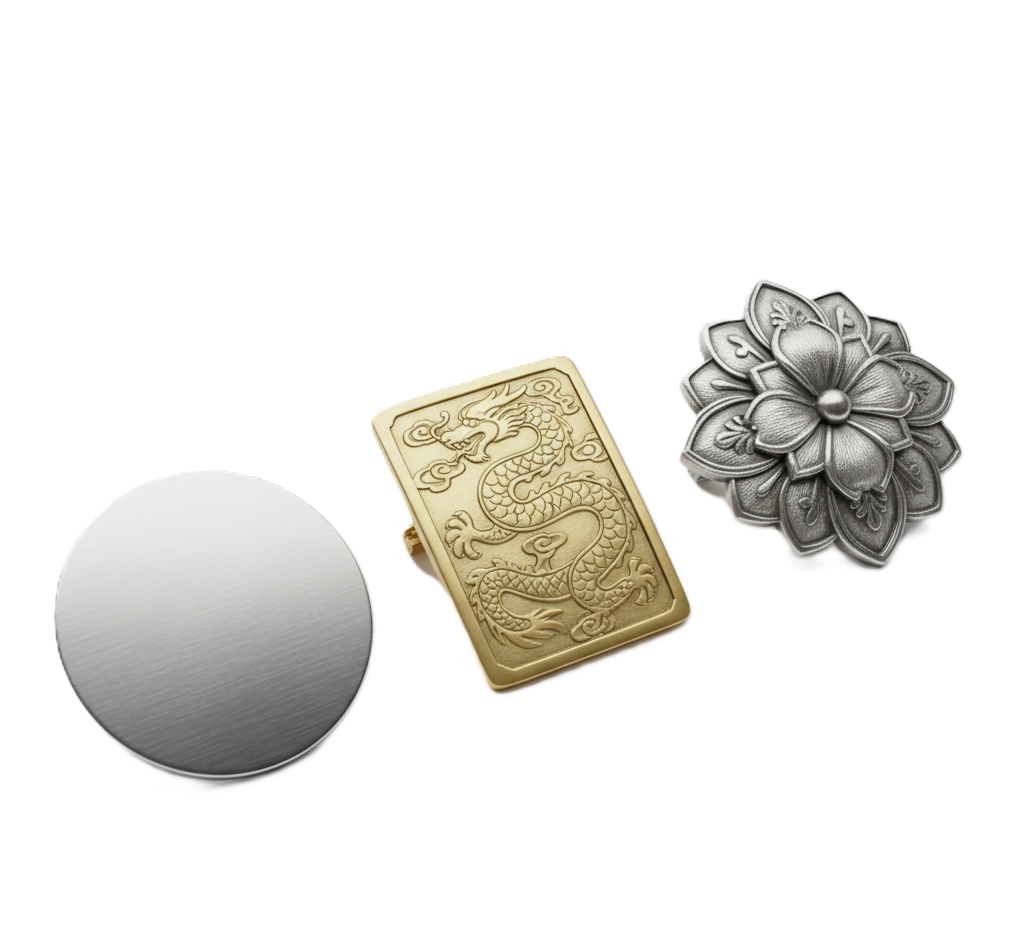
Plating Options and Surface Treatments in Chinese Brooch Production
Plating plays a crucial role in defining both the aesthetic and the durability of your brooch design. Chinese factories provide an impressive range of electroplating finishes and surface treatments compatible with various base metals.
Popular Plating Options
| Finish Type | Visual Effect | Recommended Base Metal | Use Case |
|---|---|---|---|
| Gold Plating | Luxurious shine, warm tone | Brass or Zinc Alloy | Fashion jewelry, gift collections |
| Imitation Rhodium / Silver Plating | Bright white metallic tone | Brass, Zinc Alloy, or Copper | Modern minimalist designs |
| Black Nickel / Gunmetal | Trendy matte or dark contrast | Zinc Alloy | Gender‑neutral or urban collections |
| Antique Bronze / Vintage Gold | Aged texture, vintage look | Brass or Copper | Heritage‑inspired brands |
| Rose Gold Plating | Soft pink luxury | Brass | Feminine or bridal designs |
Enamel and Resin Coating are also widely used to add color, texture, or branding. Soft enamel gives subtle relief and color separation, while hard enamel offers a polished, jewelry‑grade surface used in premium lapel pins.
Can Chinese Factories Achieve High‑Quality Imitation Gold or Silver Finishes?
Absolutely.
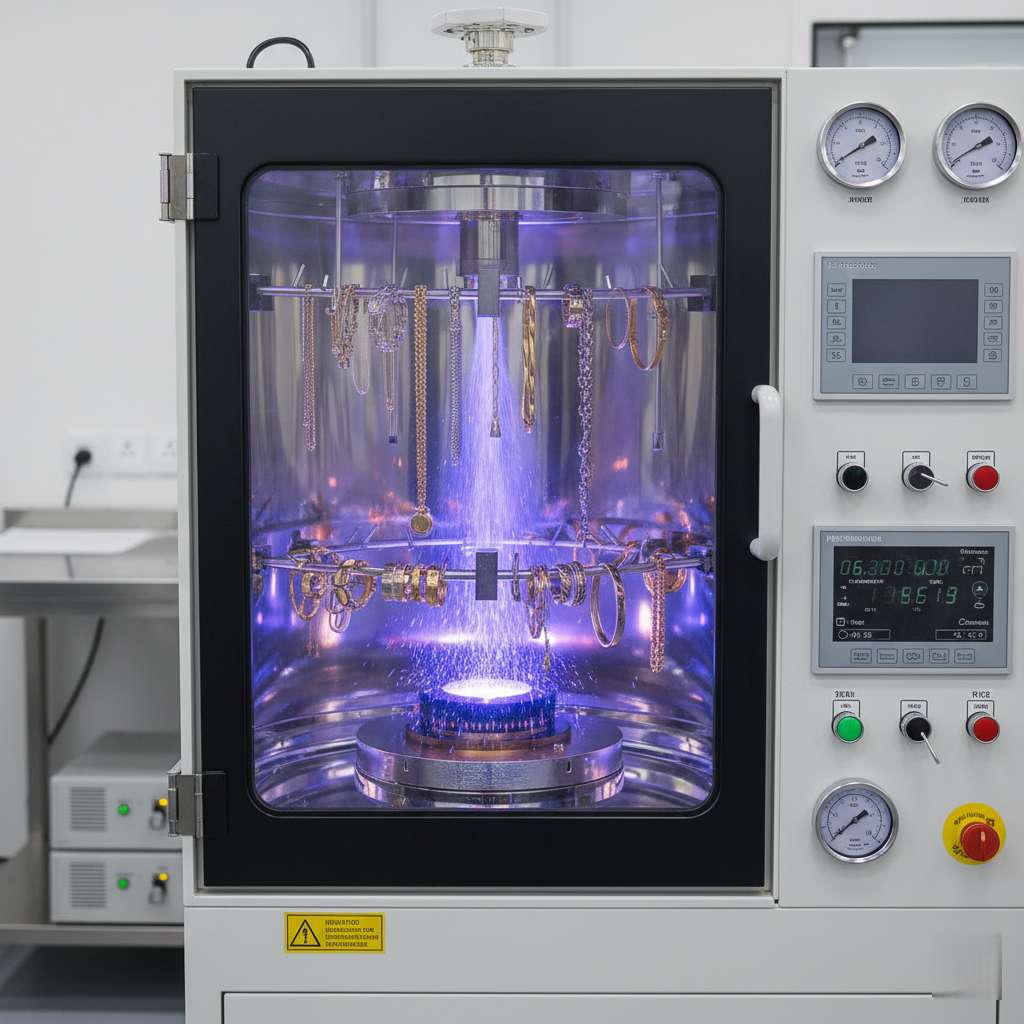
Over the last decade, Chinese jewelry manufacturers have refined their plating processes using vacuum electroplating, PVD (Physical Vapor Deposition), and multi‑layer protective coatings. These improvements result in finishes that not only mimic real gold or silver but can outperform traditional single‑layer plating in terms of wear resistance.
What to Expect from Each Option
- Gold‑Imitation Plating (24K/18K tone): Commonly applied to brass or copper bases using nickel‑free processes for hypoallergenic compliance.
- Silver/Rhodium‑Tone Finishes: Achieve a brilliant white shine close to sterling silver—ideal for export markets that demand nickel‑free standards (EU REACH, US California Prop 65).
- Protective Coatings: High‑end factories add an additional transparent lacquer layer or apply e‑coating to prevent tarnish and prolong shelf life—especially important for bulk shipments stored in humid climates.
Factory Insight:
Leading regions like Guangdong (Dongguan, Yiwu, and Guangzhou) specialize in PVD coating technology, which provides uniform thickness and reduces plating fading by up to 30% compared to traditional techniques.
How Materials Affect Pricing and Durability in Bulk Orders
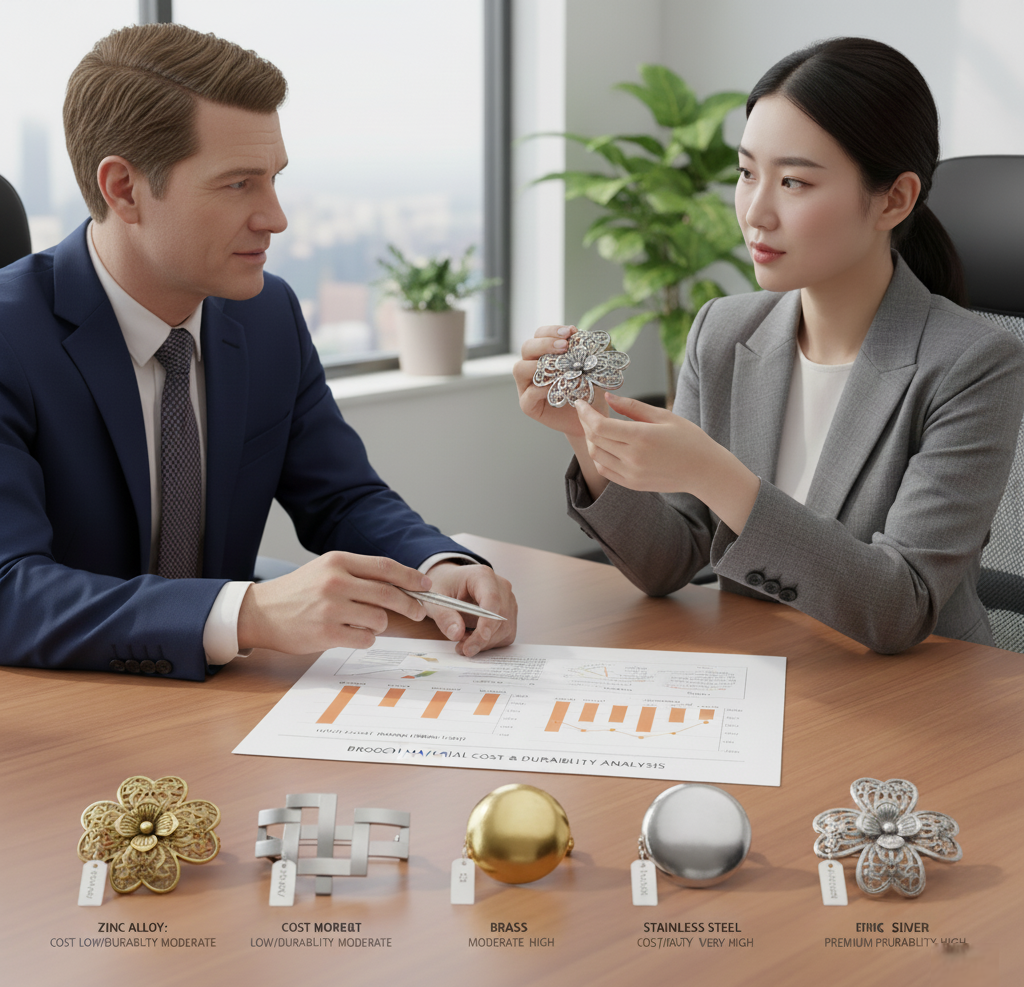
When negotiating with suppliers, base materials and surface finishes directly influence both unit cost and lifespan. Below is a simplified breakdown that many B2B buyers use during quotation comparisons:
| Material | Approx. Factory Price Range (per piece)* | Durability | Best For |
|---|---|---|---|
| Zinc Alloy | $0.20 – $0.80 | ★★★☆☆ | Mass merchandising, souvenir pins |
| Brass | $0.80 – $2.00 | ★★★★☆ | Mid‑range boutique collections |
| Stainless Steel | $1.20 – $2.50 | ★★★★★ | Long‑lasting and premium minimalist lines |
| Sterling Silver (925) | $5.00 – $15.00 | ★★★★★ | Luxury and collectible pieces |
*Estimated ex‑factory prices in China for bulk orders exceeding 1,000 pcs.
Durability Tip:
Plating thickness and post‑treatment quality are often more critical than the base metal itself. For OEM contracts, always request micron‑plating specifications (e.g., 0.5 µm vs 1.0 µm gold layer) and conduct salt‑spray or abrasion tests if you’re targeting long shelf life in humid or retail display environments.
Other Decorative and Emerging Material Options
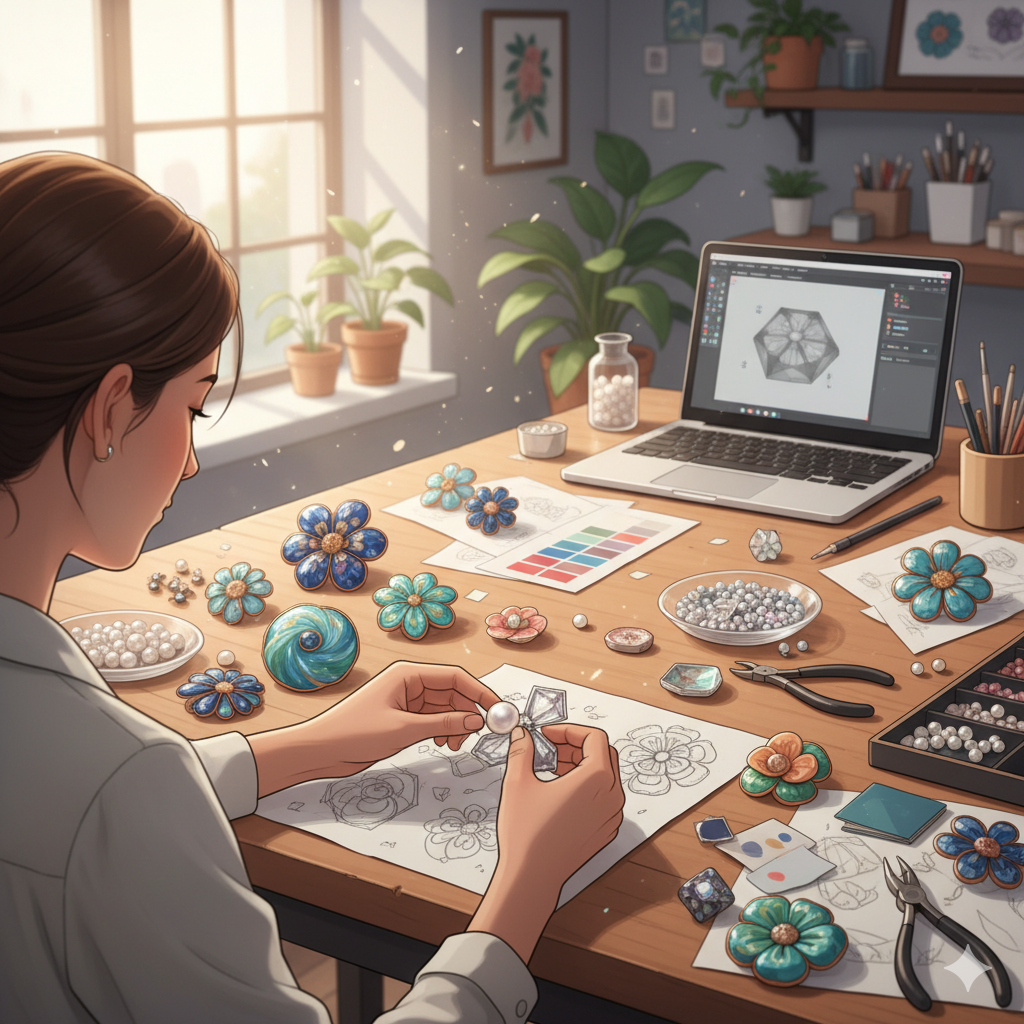
Chinese factories also integrate eco‑friendly and aesthetic materials into brooch production to align with modern consumer preferences:
- Resin and Epoxy Enamel: Offer creative color accents and branding flexibility.
- Crystals, Rhinestones, and Cubic Zirconia: Add sparkle at different price tiers.
- Pearls and Shell Inlays: Blend traditional elegance with modern fashion.
- Recycled Metals or Biodegradable Resin: Growing in popularity among brands promoting sustainable jewelry.
These combinations allow designers to balance artistic flair with responsible sourcing—an increasingly important factor for Western retailers and online marketplaces.
Conclusion: Selecting the Right Material Strategy for Your Brooch Line
Choosing between zinc alloy, brass, and stainless steel depends on your brand’s positioning and functional priorities.
- For high‑volume, trend‑responsive collections: zinc alloy provides flexibility and cost savings.
- For mid‑range boutiques seeking a jewelry‑grade finish: brass with multi‑layer nickel‑free plating is the ideal balance.
- For premium minimalist or hypoallergenic pieces: stainless steel or sterling silver ensures lasting quality and customer trust.
If you are a brand owner, wholesaler, or OEM partner, leveraging the right material and finish strategy can optimize both cost efficiency and market appeal. Collaborate closely with your manufacturer to define plating standards, corrosion testing requirements, and packaging methods before mass production—these small steps can greatly enhance the perceived value of your product line and strengthen your market reputation.
