As a jewelry manufacturer and sourcing expert, I’ve seen how the love for sparkle extends far beyond wearable jewelry. Rhinestone diamond painting is one of the most fascinating intersections between craft artistry and jewelry aesthetics — a perfect blend of precision, light play, and creativity. For B2B wholesalers, brand developers, craft kit retailers, and private label buyers, understanding this product category opens opportunities in both the hobby and lifestyle decor markets. The same brilliance and quality standards we apply to fashion jewelry — material consistency, color quality, and optical clarity — apply equally when producing or sourcing diamond painting kits with rhinestones.
Rhinestone diamond painting is a decorative art form where crystal or glass “rhinestone drills” are meticulously placed on a coded, adhesive canvas to create luminous artworks that mimic gemstones. Compared with standard resin drills, rhinestones offer superior sparkle, clarity, and luxe appeal, making them ideal for premium and gift‑grade craft collections.
Strategically, rhinestone diamond painting attracts a new generation of craft enthusiasts and gifting consumers. From product development to material sourcing, this niche combines small‑part manufacturing precision with the emotional satisfaction of art creation. For suppliers, it’s worth analyzing whether to stock glass rhinestones or resin drills, how to balance MOQ (minimum order quantity) efficiency, and which designs match regional aesthetic preferences. What follows is an in‑depth guide from a manufacturer’s perspective — built to help B2B buyers make confident sourcing decisions.
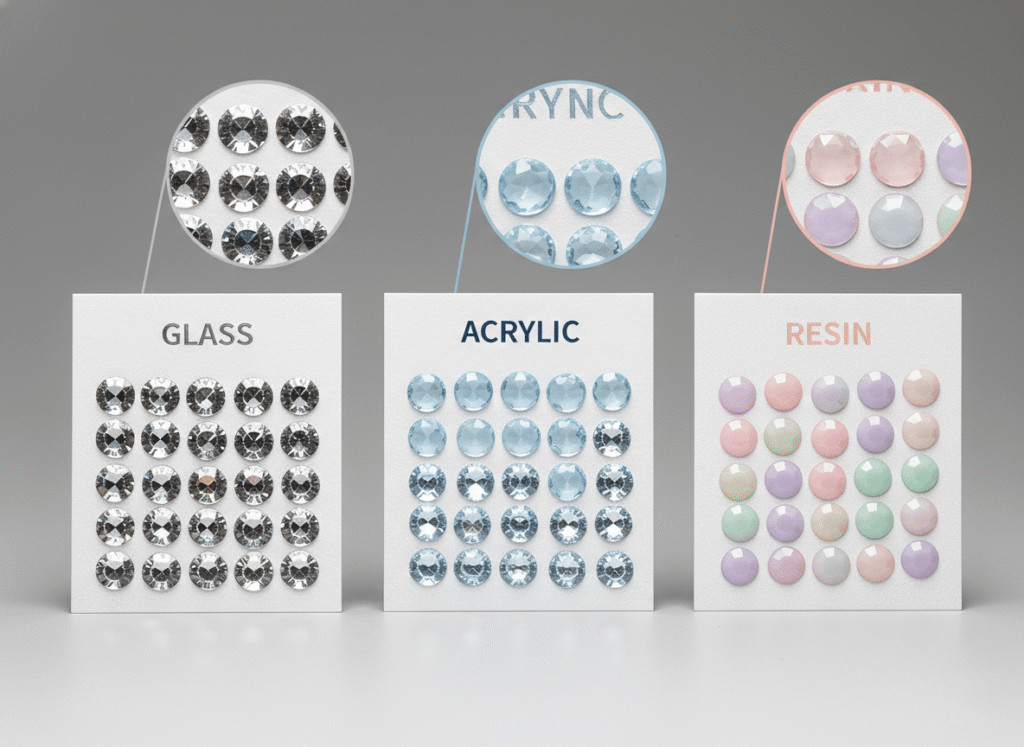
What are the Materials and Features of Rhinestone Drills?
Rhinestone drills are at the heart of rhinestone diamond painting, defining both product quality and end‑consumer satisfaction. As a custom jewelry supplier, I often analyze drills with the same criteria I apply to gemstones — clarity, faceting accuracy, and plating or coating consistency.
Key Materials Used
| Drill Type | Material Composition | Optical Effect | Durability | Common Use |
|---|---|---|---|---|
| Glass Rhinestones | High‑clarity crystal glass with reflective back foil | Strong brightness, mirror‑like sparkle | Scratch‑resistant, stable color | Premium craft kits |
| Acrylic Rhinestones | Molded plastic with metallic paint or UV coating | Moderate shine, more opaque | Lightweight, economical | Mass hobby kits |
| Resin Drills | Polymer‑based compound | Soft shine, uniform coloring | More flexible but less light diffusion | Entry‑level kits |
Faceting and Shape Quality
Just like in jewelry manufacturing, the number of facets determines brilliance:
- 9–13 facets: Standard sparkle, lower cost.
- 15–21 facets: Premium tier, jewelry‑grade reflection.
- Round vs. square cuts: Round drills reflect light evenly, while square drills provide cleaner coverage with a mosaic finish.
Adhesive & Canvas Compatibility
Suppliers typically use self‑adhesive canvases with color‑coded charts. The permanence of adhesion depends on:
- Viscosity of the glue layer (high‑tack gel preferred)
- Surface polish of the rhinestone back
- Proper curing before packaging
For private‑label sourcing, I recommend batch testing adhesion with both humidity (around 60%) and light exposure (around 12 hours/day) to simulate shelf life.
How Can I Decide Whether to Use Rhinestones or Resin for My Product Line?
B2B buyers often ask me whether they should invest in glass rhinestone diamond kits or maintain resin variants. The decision primarily hinges on your target audience, price point, and desired product positioning.
Product Positioning Strategy
- Budget Line (Resin Drills): Focus on affordability, light weight, and ease of mass production. Ideal for volume craft wholesalers.
- Premium Line (Rhinestone Drills): Emphasize luxury, sparkle, and gift value — better suited for boutique retailers and branded craft stores.
Private Label Insight:
Combining both materials can build a tiered selection — for example, “standard,” “deluxe,” and “crystal collection” series, similar to jewelry branding.
Supply Chain Cost and MOQ Planning
| Parameter | Resin Drills | Rhinestone (Glass) Drills |
|---|---|---|
| MOQ | 5,000–10,000 pcs per color | 3,000–5,000 pcs per color |
| Unit Cost (FOB China) | US$0.008–0.012/pc | US$0.015–0.025/pc |
| Lead Time | 15–20 days | 25–35 days |
| Typical Use | Educational crafts | Premium gift kits |
To control costs, some OEM/ODM customers specify mixed‑material canvases — using resin for background areas and rhinestones for highlights. This hybrid approach reduces cost per kit by up to 18%, while maintaining perceived value.
QC Standards and Inspection
Whether rhinestone or resin, every batch should meet:
- Color coding accuracy: within ±0.2 Pantone deviation.
- Faceting defect rate: below 2%.
- Surface cleanliness: free from oil or residue (critical for adhesive bonding).
An established manufacturer usually issues AQL (Acceptable Quality Limit) inspection sheets for each shipment, especially for export orders exceeding 500 sets.
Is Rhinestone Diamond Painting More Suitable for Certain Themes or Markets?
Absolutely. As trends in the global fashion jewelry wholesale market evolve, visual motifs and color palettes in diamond painting reflect similar cyclical preferences. The increased brilliance of rhinestones naturally suits certain image styles and consumer markets.
Best‑Selling Themes for Rhinestone Diamond Painting
| Theme Category | Suitable Market Segment | Reason for Popularity |
|---|---|---|
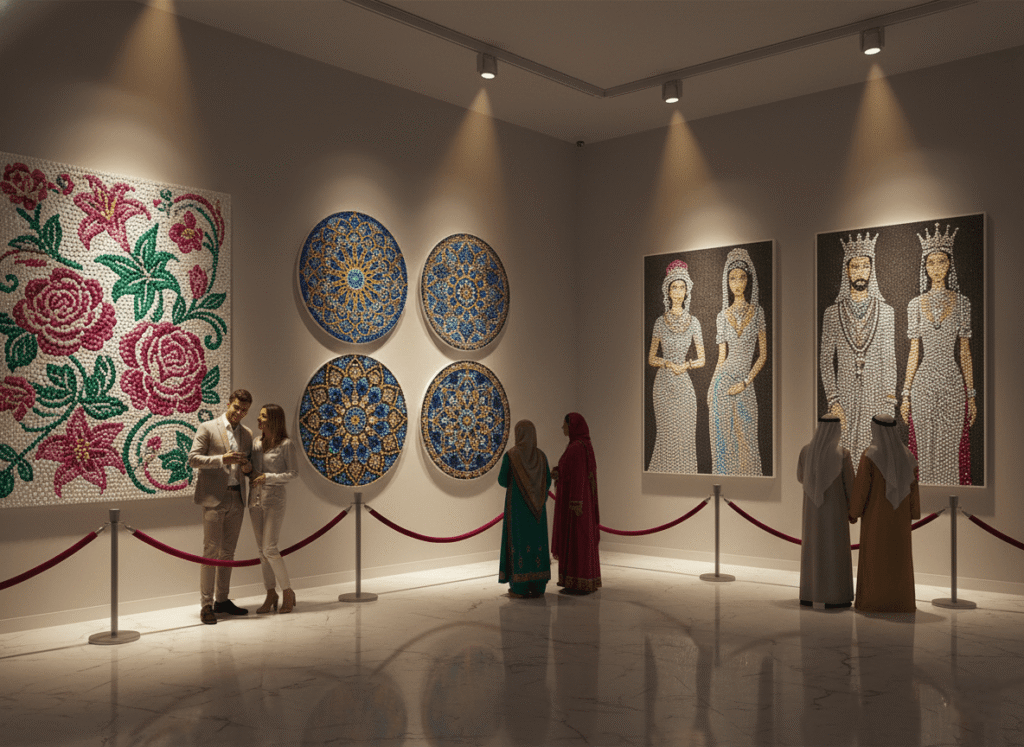
| Floral Patterns | Europe & North America | Universal appeal, vibrant transparency, suitable gift value |
| Religious Icons & Mandalas | South Asia, Middle East | Gem‑like detail enhances spiritual symbolism |
| Animals (Butterflies, Owls, Horses) | Global Hobby Market | Entices collectors, multi‑color light dispersion |
| Fashion Portraits | Europe, US urban boutiques | Aligns with lifestyle and interior decor trends |
| Jewelry‑Style Abstracts | Online premium craft stores | Mimics gemstone artwork aesthetics |
Regional Sourcing and Distribution Behavior
- North America: Prefers full‑drill kits with high coverage and glass rhinestones. Wholesale buyers look for retail‑ready packaging with QR‑code instructions.
- Europe: Demands eco‑compliant plating and non‑toxic adhesives (RoHS certification).
- Middle East & South Asia: Favors premium glass pieces with gold‑tone backing for higher luminosity under indoor lighting.
Product Presentation and Cross‑Category Sales
From a jewelry supplier’s perspective, rhinestone diamond painting bridges decorative art and jewelry merchandising. Some of our OEM partners integrate these kits in fashion boutiques — selling them alongside jewelry gift boxes and accessories, often under lifestyle sub‑brands. This cross‑category approach promotes emotional engagement and higher basket values.
How Do I Ensure Color Consistency in Rhinestone Diamond Production?
Achieving accurate color tone in glass or crystal rhinestones is one of the most technically demanding aspects of production. As we know from jewelry plating and coating, light refraction and surface finish have a direct impact on perceived hue.
Production Process and Quality Parameters
| Process Stage | Quality Focus | Key Control Metric |
|---|---|---|
| Batch Melting & Coloring | Uniform pigment fusion | ±1.5% density tolerance |
| Cooling & Faceting | Smooth reflection surface | <10µ surface deviation |
| Foiling/Coating | High reflectivity, adhesion | 5N adhesive test pass |
| Packaging & Sorting | Accurate DMC/Pantone match | Color index variance under 2% |
Testing Procedures
- Spectrophotometer Calibration: Measures refractive index difference across batches to avoid dull or tinted effects.
- Visual Light Exposure Test: Expose samples to 24 or 48 hours under daylight lamp; any discoloration above 2% is rejected.
- Lot Sampling: For every 500,000 pcs, collect random sets for visual inspection under standardized 5500K lighting.
Plating and Coating Control
In rhinestone production, the reflective back foiling determines brilliance. Similar to jewelry plating, silver and aluminum foils are commonly applied with protective resin coats to prevent oxidation.
| Coating Type | Application | Visual Effect | Durability Rating |
|---|---|---|---|
| Silver Mirror Foil | Standard premium glass | Neutral reflection, pure white tone | 4.5 / 5 |
| Aurora Borealis (AB) Coating | Special effect kits | Iridescent pastel tone | 4.0 / 5 |
| Gold Back Foil | Glamour or spiritual themes | Warm, luxurious sparkle | 4.7 / 5 |
Consistency in Multicolor Kits
Each color batch should be labeled with consistent DMC coding, backed by digital catalog reference. For large OEM clients, we maintain an internal color index library with photographic mapping under daylight standards to ensure recurring order alignment — vital when reordering thousands of kits over several seasons.
Advancing from Craft to Commercial Production
As the popularity of rhinestone diamond painting grows, many B2B buyers explore private label OEM/ODM partnerships. This section outlines strategic steps to scale effectively.
Custom Design Capabilities
We receive artwork files (JPG, PNG, or vector). Our design department converts these into coded canvases, adjusting rhinestone distribution, density, and background area coverage.
- Supports custom frame sizes (20×30 cm to 80×100 cm)
- Can integrate logo-printed canvases or packaging sleeves
- MOQ for OEM patterns: 500 sets per design
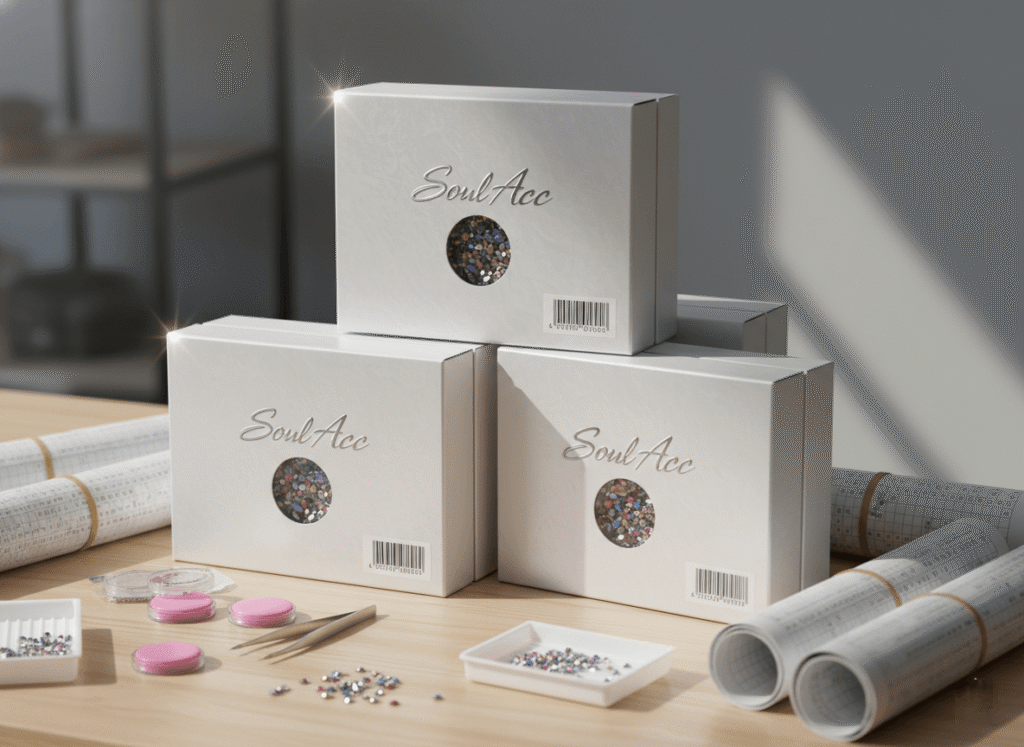
Packaging and Presentation
Professional packaging matters — especially for export:
- Box Options: Rigid drawer boxes, kraft mailer boxes, or PVC sleeves
- Inclusion: Applicator pen, wax pad, classification chart, tweezers, tray
- Barcode & Branding: Ship-ready designs with EAN/UPC labels
Sample kits generally require 15–20 days, while bulk manufacturing runs take 30–40 days after sample approval.
Supply Chain Flexibility
Just like in jewelry manufacturing:
- Maintain dual suppliers for adhesive canvas and rhinestone drills to reduce risk.
- Monitor storage humidity — high humidity above 70% can impact adhesive shelf life.
- Use laminated foil packaging to block UV and moisture for long transit periods.
Trend Analysis and Market Insight
Consumer Motivation
The surge of interest in rhinestone diamond painting mirrors the rise of relaxation hobbies and mindfulness crafts. Global online platforms show steady double‑digit annual growth, especially among demographics aged 25–45. The event of “sparkle therapy,” much like adult coloring books before it, drives steady repeat purchases.
Digital Customization Opportunities
OEM clients are now offering “upload your photo” services, turning personal portraits into crystal mosaic art — a rising market segment. This personalization offers B2B retailers attractive upsell potential and emotional appeal.
Industry Collaboration
Many jewelry suppliers (myself included) now cross‑produce rhinestone drills in the same facilities as crystal jewelry components, ensuring optical matching. Integrating jewelry‑grade cutting equipment has raised product quality standards across the painting kit segment.
Conclusion
Rhinestone diamond painting combines the visual richness of jewelry with the accessibility of a creative hobby.
For manufacturers and sourcing managers, the category represents a versatile product opportunity — merging decorative art, relaxation value, and luxury appeal.
Key Takeaways:
- Choose glass rhinestone drills for premium lines, resin for affordable mass kits.
- Apply jewelry‑grade QC metrics to ensure color consistency and brightness.
- Develop theme-based collections tuned to regional markets.
- Consider OEM/ODM private labeling to strengthen brand value and design exclusivity.
Whether you’re expanding from jewelry manufacturing into creative crafts, or exploring an adjacent product category to attract new customers, rhinestone diamond painting offers both artistic engagement and commercial potential.
Let’s talk: If you’re ready to explore custom rhinestone diamond painting kits or need guidance on OEM sourcing, feel free to contact us for samples or catalog access. Together, we can bring brilliance — in every sense — to your next product line.
