
The world of fashion jewelry has become more accessible than ever. Whether you’re a jewelry enthusiast, hobbyist, or aspiring entrepreneur exploring a new craft, creating trendy jewelry at home offers both creative satisfaction and business potential. In recent years, DIY jewelry-making has expanded beyond simple beading projects to include modern styles resembling pieces found in professional wholesale catalogs. With the right materials—such as metal wire, polymer clay, resin, and semi-precious beads—home creators can design high-quality imitation jewelry that looks boutique-worthy.
DIY jewelry trends combine creativity, personalization, and sustainability. Beaded jewelry, wire-wrapped pendants, polymer clay earrings, resin accessories with botanical inclusions, and minimalist gold or silver threaders are among the top homemade styles for 2025. With affordable jewelry kits and easily accessible tools, anyone can craft fashionable, on-trend pieces at home. This empowers individuals to customize their designs to match current seasonal aesthetics while learning valuable crafting skills.
As sustainability and personalization continue driving market demand, many small-scale jewelry makers have transformed their passion into profitable side businesses. Understanding materials (like brass vs stainless steel vs alloy), knowing the right components to source, and staying ahead of design trends are essential for producing home-crafted jewelry that aligns with fashion jewelry’s evolving standards. Let’s explore the top trendy styles you can create at home, along with key tools, materials, and sourcing insights.
Beaded Jewelry: The Return of Boho Chic
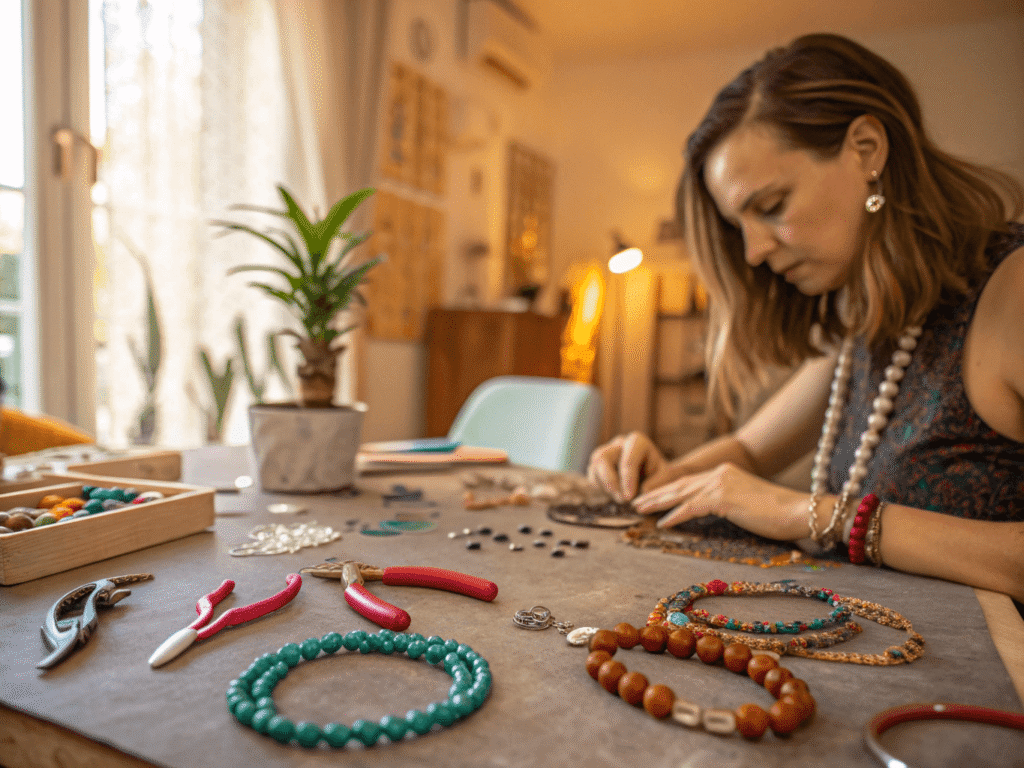
Why Beaded Jewelry Stays in Style
Beaded jewelry remains a timeless favorite among DIY creators. It’s accessible, visually versatile, and perfect for experimenting with color, texture, and layering. This trend continues to dominate handmade markets and online craft platforms due to its endless design possibilities—from minimalist bracelets to statement necklaces.
Popular materials used:
- Glass beads for elegant, gemstone-like aesthetics
- Acrylic beads offering lightweight modern styles
- Natural gemstones such as amethyst, quartz, and turquoise for a premium touch
- Wooden or ceramic beads for a rustic bohemian appeal
How to Start: Tools & Techniques
All you need are round-nose pliers, crimping tools, bead wire, jump rings, and clasps. Start simple with stretch bracelets before moving to more structured necklaces or multi-layered pieces.
Pro tip: Mix metal spacers or charms between beads to elevate the overall design—this adds both balance and sophistication.
| Bead Material | Visual Effect | Difficulty Level | Suitable For |
|---|---|---|---|
| Glass | Glossy / elegant | Intermediate | Evening jewelry |
| Acrylic | Lightweight / bold | Beginner | Daily wear |
| Gemstone | Luxurious / natural | Intermediate-Advanced | Premium pieces |
| Wood / Ceramic | Rustic / handmade | Beginner | Eco-inspired styles |
Wire-Wrapped Rings and Pendants: Artistic Handcrafted Appeal
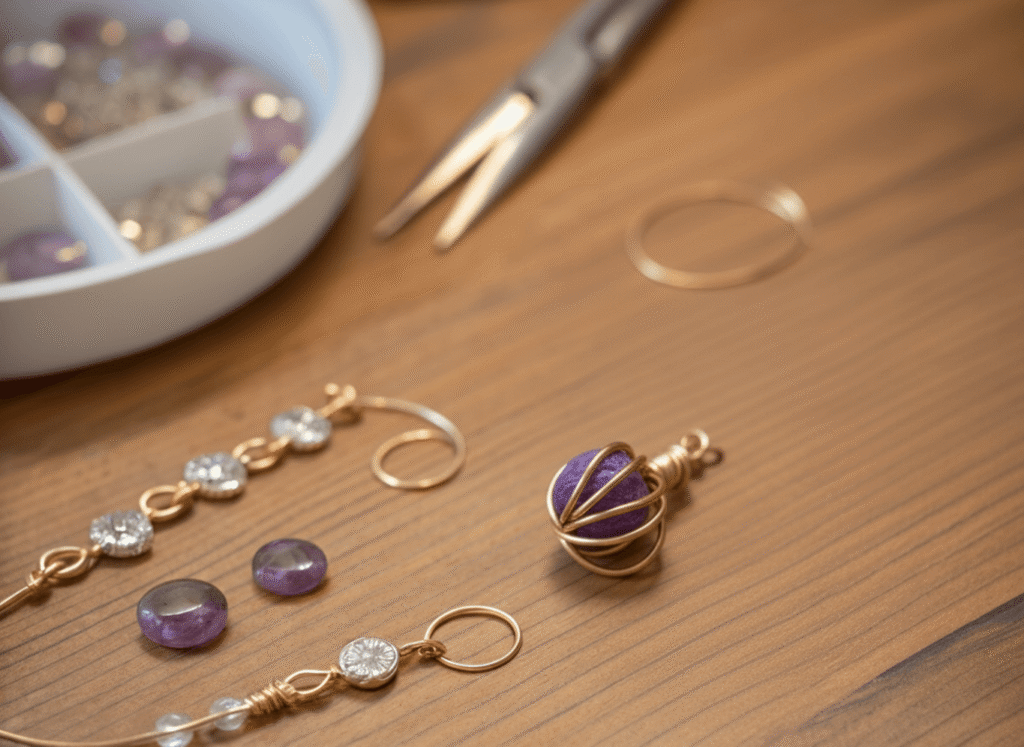
Wire wrapping is a technique that allows jewelry enthusiasts to handcraft rings, pendants, and earrings using wire and semi-precious stones or beads. This style is currently trending for its artisan, one-of-a-kind aesthetic that blends originality with simplicity.
Selecting Your Wire Type
Choosing the right jewelry wire is crucial for durability and comfort:
- Copper wire – affordable, easy to shape, ideal for beginners
- Brass wire – sturdy and holds shape, great for intermediate crafters
- Silver-plated wire – offers a premium look similar to sterling silver
- Stainless steel wire – hypoallergenic and tarnish-resistant (best for lasting shine)
| Wire Type | Durability | Tarnish Resistance | Cost | Aesthetic |
|---|---|---|---|---|
| Copper | Moderate | Low | Budget | Rustic handmade |
| Brass | High | Medium | Moderate | Luxury vintage |
| Silver-Plated | Moderate | Medium-High | Moderate | Elegant casual |
| Stainless Steel | Excellent | Excellent | Moderate | Premium modern |
Mastering Wire-Wrapping Techniques
Once you gain control over plier grip and pressure, try wrapping wires around beads or crystals to create pendants. Merging wire-wrapping with resin or gemstone cabochons enhances visual richness and uniqueness—perfect for personalized gifts or boutique-ready designs.
Polymer Clay Earrings: Sculptural and Playful Minimalism
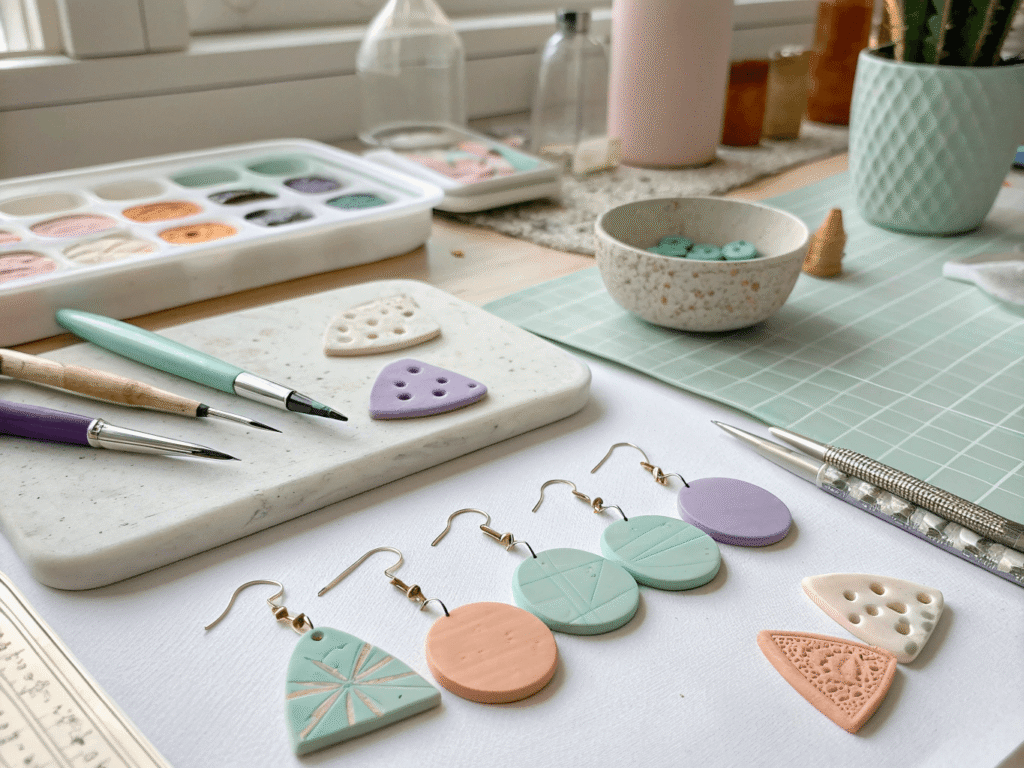
Polymer clay has revolutionized handmade jewelry for its flexibility, bright coloration, and minimal equipment needs. This versatile medium allows creators to produce bold, geometric, or minimalist earrings that align with high-fashion trends while maintaining a DIY charm.
Why Polymer Clay is Perfect for Beginners
- Easily moldable and lightweight
- Bakes at low temperature (around 130°C/266°F)
- Accepts paint, metallic foil, and texture transfers
- Ideal for personalization—mix colors freely
You can freely experiment with modern motifs: terrazzo, marble swirls, two-tone gradients, or pastel abstract shapes. Once baked, polish or glaze the surface to enhance durability and shine.
Emerging Aesthetics for 2025
- Pastel tones (lavender, peach, sage green) dominate minimalist collections.
- Asymmetrical designs add a playful, contemporary edge.
- Textured finishes resembling ceramic or stoneware bring artisanal quality.
- Statement studs—large geometric shapes remain popular among millennials and Gen Z buyers.
Resin Jewelry: Modern and Customizable Art
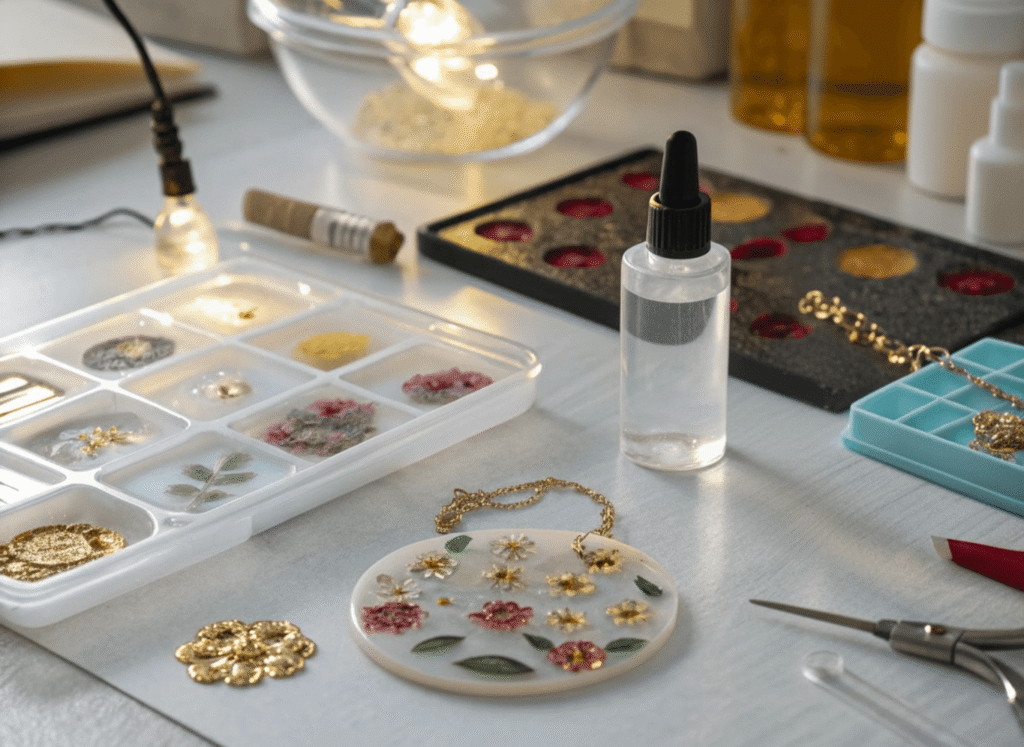
Resin jewelry offers endless creativity. It involves casting resin into molds and mixing inclusions such as dried flowers, metallic flakes, glitter, and even miniature charms.
Essential Tools for Resin Creation
- Silicone molds (for pendants, rings, and earrings)
- Measuring cups and mixing sticks
- Protective gloves and masks
- UV resin lamp or curing station
Key advantages:
- High-gloss finish resembling glass
- Lightweight and shatter-resistant
- Ideal for encapsulating natural elements
Popular Resin Jewelry Styles
- Botanical resin pendants featuring tiny dried flowers
- Galaxy-inspired earrings with shimmer pigments
- Custom photo lockets embedded in resin discs
- Colored geometric cuffs using tinted resin
Pro tip: Use a thin layer of metallic foil or shimmer mica powder before pouring resin—it enhances reflectivity and gives your piece an elevated artisan look.
Layered and Mixed-Metal Jewelry: The Modern Classic
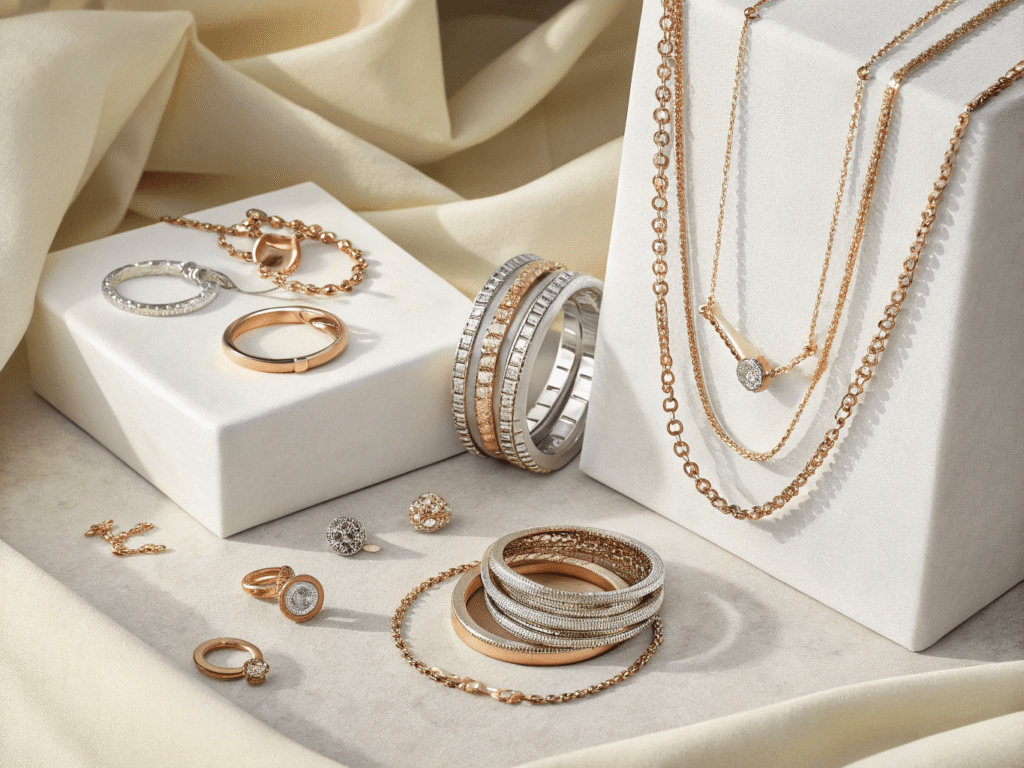
Styling with Layering
Layered chains, stacked rings, and multi-bracelet combinations continue to headline fashion lookbooks. This mix-and-match trend allows jewelry creators to design cohesive yet dynamic sets, balancing textures and materials.
Examples:
- Combine rope chains with thin box chains for dimensional layering.
- Pair rose gold and silver-plated pieces for contrast.
- Add small charms or initials to create personalization.
Materials and Plating Quality
When mixing metals at home, focus on plating quality to ensure uniform shine. Home crafters can use pre-plated components made of brass or stainless steel. Higher plating quality (≥ 0.03 microns for flash plating or ≥ 0.10 microns for thick plating) enhances durability.
| Metal Type | Durability | Plating Compatibility | Common Use |
|---|---|---|---|
| Brass | High | Excellent | Fashion pieces |
| Alloy | Moderate | Good | Trendy affordable jewelry |
| Stainless Steel | Excellent | Best | Long-lasting, hypoallergenic |
Upcycled & Eco-Friendly Jewelry: Sustainability at Home
With environmental consciousness influencing jewelry trends, upcycled designs have become more sought after. Repurposing vintage buttons, fabric scraps, shells, and broken jewelry not only reduces waste but also tells a story.
Sustainable DIY Tips
- Dismantle old or unused jewelry for reusable components.
- Use fabric remnants from clothing for creative textures.
- Source ethical beads or certified eco-friendly materials.
Benefits:
- Environmentally responsible
- Unique, one-of-a-kind appeal
- Budget-friendly materials
This style resonates with younger consumers who value authenticity, sustainability, and artistic expression.
Personalized Jewelry: A Symbol of Connection
Adding initials, birthstones, or custom coordinates turns ordinary accessories into meaningful keepsakes. Personalized jewelry has evolved into an emotional category that continues to perform well on digital marketplaces like Etsy and TikTok shops.
Tools for Home Personalization
- Metal stamping kits for imprinting letters/numbers
- Engraving pens or hand tools for small inscriptions
- Small gemstones or rhinestones for accent details
Trendy custom projects include:
- Birthstone bracelets with delicate chain links
- Name necklaces in cursive fonts
- Coordinate keychains marking special locations
Personalized pieces bridge the handmade tradition with modern e-commerce, offering a high profit margin even for small home-based sellers.
Choosing the Right DIY Jewelry Kit
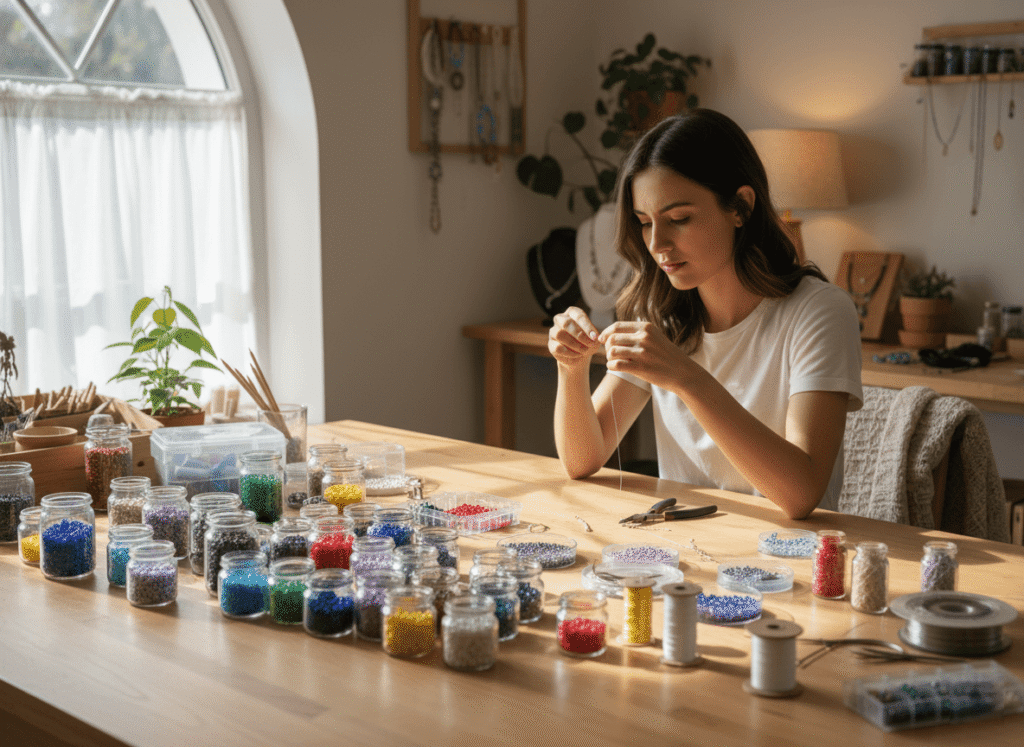
A good quality jewelry kit helps beginners start efficiently. Kits often include starter materials—pliers, jump rings, beading wire, earring hooks, and clasps.
Checklist for a good starter kit:
- High-quality needle-nose pliers
- Set of flat-nose and round-nose pliers
- Beading mat and multi-sized storage box
- Basic metal findings (antique brass, silver, gold tones)
You can find professional-grade kits online or in craft stores designed specifically for making fashion jewelry at home. Always ensure the kit components are nickel-free and lead-safe to maintain quality and wearability.
Where to Source Reliable Jewelry Components and Findings
To achieve professional quality, sourcing plays a crucial role. Many home crafters depend on suppliers from fashion jewelry wholesale markets in China, Thailand, or India, known for offering consistent quality and diverse components.
Sourcing Platforms to Explore
- Alibaba / AliExpress – wide selection for bulk parts
- Etsy suppliers – smaller MOQ handcrafted components
- Local bead suppliers – quick turnaround and verified materials
- Jewelry-specific B2B marketplaces – ideal for consistent inventory
When sourcing, always:
- Check plating thickness specifications
- Verify metal composition and safety standards
- Read supplier reviews for delivery performance
Finishing and Packaging at Home
Even DIY jewelry deserves appealing presentation. Simple packaging elevates perceived value and branding potential.
Packaging ideas:
- Kraft paper boxes tied with rustic twine
- Minimalist earring cards printed with brand names
- Small drawstring pouches using linen or silk
Adding care cards (e.g., cleaning instructions) can create a professional, boutique impression for your handmade jewelry.
Market Opportunities: Turning DIY Craft into Business
Home jewelry crafting can easily transition into a small business. Many artisans begin by selling on social platforms, marketplaces, or even local boutiques.
Strategies to scale:
- Create consistent product lines with cohesive themes.
- Offer limited-edition seasonal designs.
- Take advantage of custom orders (name engravings, colors).
- Promote your creation story—authenticity sells.
With adequate branding and photography, handmade jewelry often commands high perceived value—sometimes rivaling factory-produced alternatives.
Conclusion
The rise of DIY jewelry-making has turned creative hobbies into thriving small enterprises. From beaded bracelets to polymer clay earrings and resin pendants, today’s home creators have the tools and inspiration to produce on-trend pieces rivaling commercial collections. By experimenting with materials, focusing on plating quality, and understanding fashion cycles, you can stay ahead in a fast-moving market.
If you’re eager to explore your creativity or start a handmade jewelry shop, the best approach is to begin with one style, master key techniques, and source reliable components. Build your portfolio, test trends through social platforms, and watch your artistry evolve into a distinctive brand identity.
Ready to create? Gather your materials, choose your favorite trend, and start crafting your first masterpiece today. Every handmade piece you create is more than jewelry—it’s a statement of your individuality and craftsmanship.
