
In the fast-evolving fashion jewelry and accessories market, understanding the interplay between seasonal colors and product design is crucial for B2B buyers, wholesalers, and private label brand owners. Seasonal color palettes dictate not only what sells but also when it sells — directly shaping sourcing strategies, inventory turnover, and perceived brand alignment with fashion cycles. For jewelry bead kit manufacturers and distributors, mastering seasonal color dynamics is no longer a design trend; it’s an operational must-have.
Seasonal color palettes define bead kit success by aligning product aesthetics with consumer mood and global fashion forecasts. Spring favors pastels, summer demands saturated vibrancy, autumn leans toward earthy richness, and winter embraces jewel tones and metallics. Synchronizing production with these cycles ensures improved sell-through, reduces overstock risk, and enhances market relevance.
As a jewelry supplier with years of OEM/ODM experience, I’ve learned that color isn’t just decoration — it’s strategy. Choosing your bead palettes in coordination with seasonal color reports from organizations like Pantone or WGSN enables smarter SKU planning, consistent brand storytelling, and more efficient use of raw material procurement. In effect, seasonal color palette adoption creates synergy between creative direction and operational logistics, turning design intuition into measurable sourcing advantage.
Understanding the Core Role of Seasonal Color Palettes in Bead Kit Design
Seasonal color palettes influence bead kit designs far beyond visual appeal. They represent a synthesis of consumer psychology, fashion forecasting, and cultural relevance — driving how wholesalers and private-label buyers plan upcoming product cycles.
The Emotional Dimension of Seasonal Color Trends
Each season triggers emotional responses reflected in jewelry preferences:
| Season | Core Palette Emotion | Typical Bead Color Range | Dominant Metal Pairing |
|---|---|---|---|
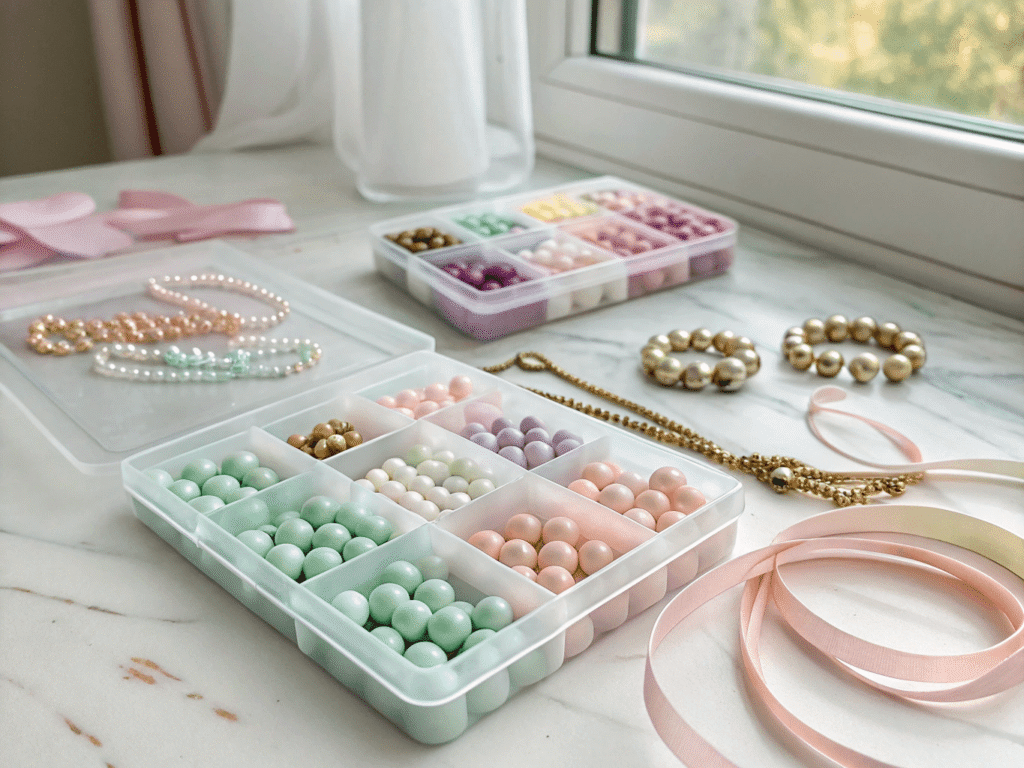
| Spring | Renewal, optimism | Pastels – mint, blush, lilac, pale gold | Rose gold, brass |
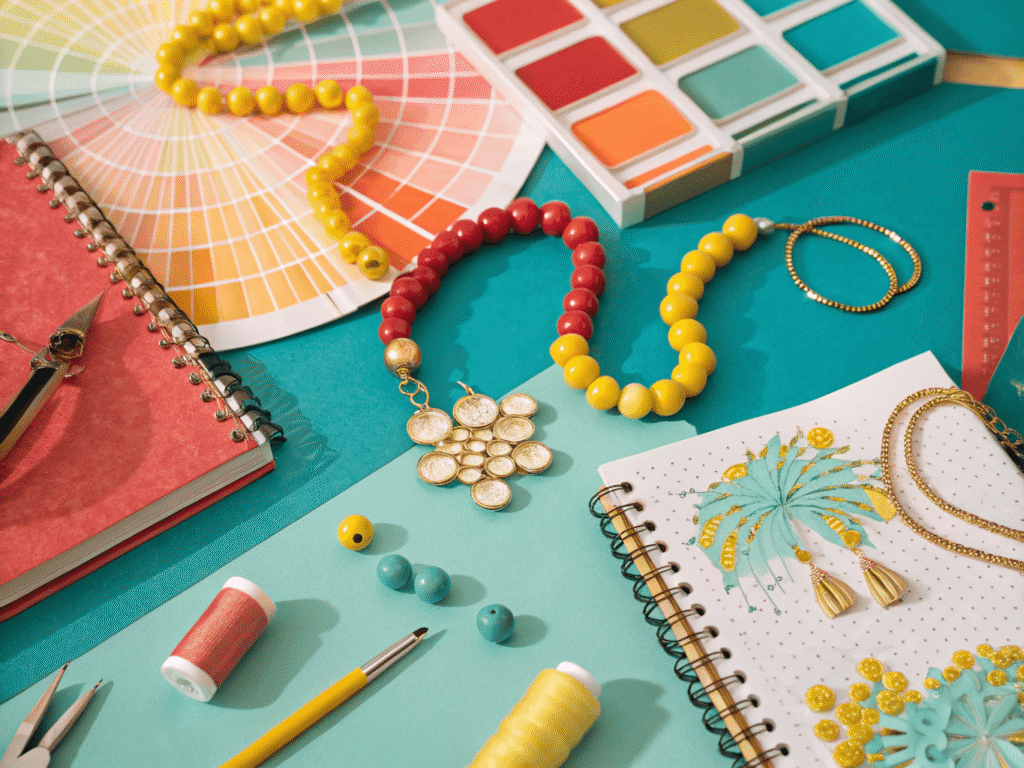
| Summer | Energy, freedom | Brights – turquoise, coral, sunshine yellow | Gold, white enamel |
| Autumn | Comfort, nostalgia | Earth tones – amber, rust, deep olive | Antique gold, bronze |
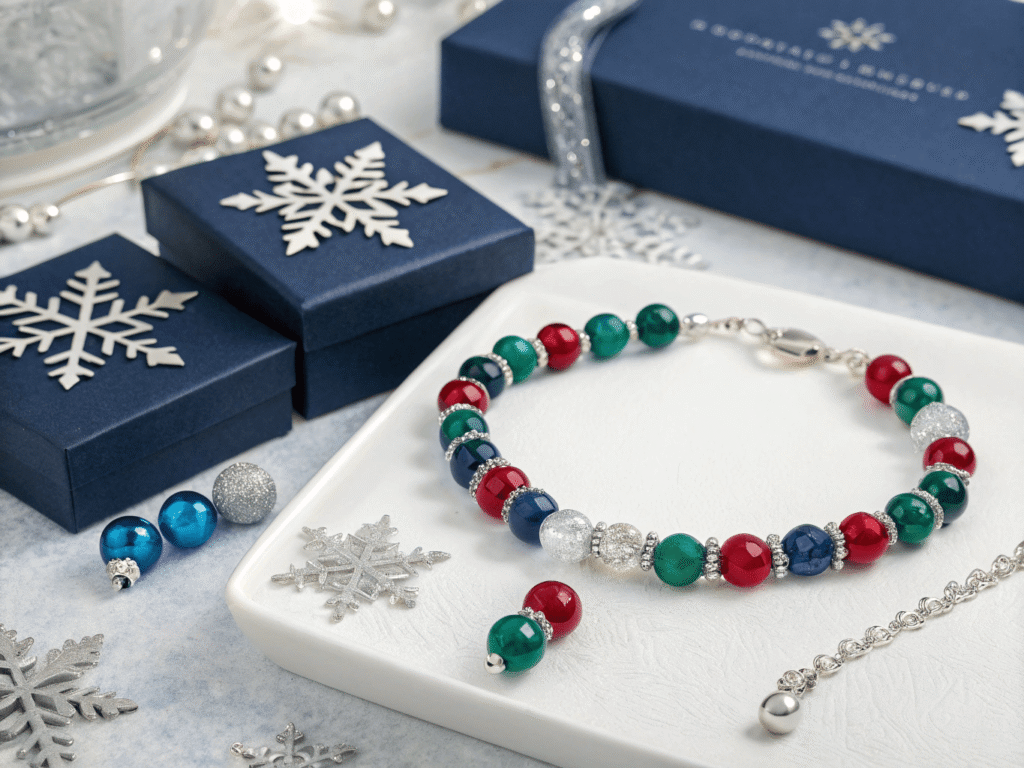
| Winter | Luxury, celebration | Jewel tones – sapphire, emerald, ruby | Rhodium, silver |
These associations inform every decision from bead texture to packaging. Manufacturers targeting seasonal buyers must integrate these patterns into production and marketing to remain competitive in the wholesale jewelry ecosystem.
Designing Bead Kits with Seasonal Color Theory in Mind
Integrating color theory into bead kit development helps ensure your products remain visually harmonious and commercially attractive.
Applying Color Theory in Bead Kit Construction
In professional jewelry kit design, color theory ensures balanced aesthetics. Manufacturers typically employ three design frameworks:
- Complementary palettes: Colors opposite on the wheel (e.g., blue-orange) create dynamic, high-contrast kits that energize consumers.
- Analogous palettes: Adjacent colors (e.g., teal-green-yellow-green) form calming, cohesive designs ideal for spring or autumn kits.
- Triadic palettes: Three evenly spaced hues (e.g., purple-orange-green) promote playful, balanced collections suitable for summer retail lines.
These frameworks allow designers to build visually confident kits while controlling SKU complexity — essential for OEM/ODM production-scale efficiency.
Material Selection Reflecting Seasonal Trends
Materials synergize with color to define seasonal identity:
- Spring/Summer: lightweight glass beads, acrylic pearls, enamel coatings — reflecting freshness and luminosity.
- Autumn/Winter: natural stones, metallic finishes, and faceted crystal — conveying richness and warmth.
| Material | Seasonality | Plating Recommendation | MOQ Feasibility |
|---|---|---|---|
| Acrylic & resin | Spring/Summer | Rose gold plating | Low MOQ feasible |
| Brass alloy | Autumn | Antique gold plating | Standard bulk MOQ |
| Stainless steel | Winter | Rhodium/silver plating | High-volume production |
Aligning Bead Kit Design with Global Fashion Forecasts
Design alignment with fashion color forecasts is essential for brands positioning themselves either as trend leaders or timeless staples.
Bridging Bead Kit Development with Fashion Color Reports
Fashion houses and forecasting agencies release biannual palette predictions. As manufacturers, we analyze Pantone’s “Color of the Year” and WGSN color harmonies to align bead selections with apparel collections hitting global runways.
For example:
- Spring/Summer 2025: Expect growth in botanical greens and digital lavenders.
- Autumn/Winter 2025: Deep metallics, cocoa browns, and oceanic blues dominate.
By planning bead kit color assortments 6–8 months prior to retail debut, manufacturers synchronize product drops with forecast cycles, giving wholesalers and private label buyers timely color relevance.
Maintaining Brand Identity Amid Seasonal Shifts
Consistency matters for multi-season branding. While it’s vital to follow global color directions, always anchor your palettes in your brand’s core aesthetic. I recommend a “60-30-10 rule”:
- 60% brand signature colors (ensures identity)
- 30% forecasted seasonal accents (maintains trend alignment)
- 10% experimental hues (drives novelty and emotional impulse-buying)
This model keeps your assortment fresh without alienating loyal customers who associate your brand with certain tones or visual moods.
Production and Inventory Planning Around Seasonal Color Cycles
Seasonal color planning must align with operational efficiency — balancing creative ambitions with manufacturing practicality.
Sourcing and Production Calendar Strategy
For most jewelry kit manufacturers in China or Southeast Asia, production lead times for color-specific beads take 3–4 months, plus QC and transit buffers. To avoid missing seasonal launch windows:
| Collection Type | Design Finalization | Raw Material Procurement | Production Period | Delivery to Distributors |
|---|---|---|---|---|
| Spring/Summer | August–September (prior year) | October–November | December–February | March |
| Autumn/Winter | February–March | April–May | June–August | September |
This proactive schedule aligns with global retail demand peaks, especially during gift-buying months.

Managing MOQ and Material Forecasting
Buying color-specific components requires balancing MOQ (Minimum Order Quantity) against trend volatility. As a stainless steel jewelry manufacturer, I always suggest:
- Negotiating color batch flexibility with bead suppliers.
- Using modular packaging designs to repurpose leftover hues in off-season kits.
- Maintaining a small stock of cross-seasonal neutrals (white, black, champagne, silver) for mixing.
Not only does this mitigate inventory risk, but it also ensures rapid response when color trends shift unexpectedly.
Market Behavior and Trend Insights
Understanding consumer buying cycles helps B2B buyers plan their seasonal purchasing effectively.
Consumer Mood and Purchase Triggers by Season
- Spring: DIY kit sales spike due to “renewal projects” and wedding accessory demand. Light pastel beads dominate.
- Summer: Vacation jewelry trends surge — tropical colors, nautical charms, and anklet kits outperform neutral assortments.
- Autumn: Warm tones encourage crafting at home; earth-colored kits gain appeal alongside gemstone substitutes.
- Winter: Holiday gifting drives sales — metallic beads, rich jewel tones, and shimmering plated styles peak.
Regional and Cultural Color Influences
Consumer preferences differ across regions:
- Western markets: Favor cooler tones for sophisticated appeal.
- Asian markets: Strong demand for auspicious reds, golds, and greens in festive collections.
- Middle East: Jewel-tone opulence remains steady year-round, with preference for crystal and metallic embellishments.
As a global supplier, I recommend supplementing your standard seasonal palette with optional region-specific variants to optimize sell-through rates across territories.
Advanced Design Practices for Seasonal Jewelry Kits
To build commercially compelling bead kits, manufacturers blend art with operations.
Creating Thematic Kits for Cross-Season Engagement
Incorporate motifs that bridge multiple seasons — floral patterns can appear in spring but evolve into “vintage botanical” for autumn packaging. This cross-season adaptability increases SKU longevity and reduces color obsolescence.
Integrating Sustainable Materials
Modern buyers demand sustainability even in DIY crafts. Use recycled glass beads or ethically sourced stones in earth-tone kits. This resonates especially with autumn palette messaging — authenticity and environmental consciousness.
Packaging and Marketing Synchronization
Packaging colors must mirror internal bead hues for cohesive brand communication. I always coordinate outer box shades with dominant bead tones — lavender boxes for pastel kits, navy for winter jewel-tone assortments. This consistency enhances shelf appeal and digital marketing engagement alike.
QC and Craftsmanship Standards for Season-Based Bead Kits
Beyond color aesthetics, quality assurance determines the long-term viability of seasonal product lines.
| QC Factor | Test Method | Seasonal Relevance |
|---|---|---|
| Colorfastness | UV & sweat exposure tests | Crucial for summer kits |
| Plating Integrity | Salt-spray test (48-72h) | Vital for winter metallic kits |
| Bead Finish | Microscopy for coating uniformity | Important across all palettes |
| Assembly Fit | Random sampling per batch | Maintains brand consistency |
Strong plating and hue stability sustain repeat business. Poorly plated autumn brass beads, for instance, tarnish quickly and damage consumer trust. By setting strict QC minima, we ensure seasonal kits deliver longevity aligned with brand reputation.
Strategic Takeaways for B2B Buyers
As a manufacturer with a global clientele, I’ve distilled key practices every jewelry wholesaler or private-label buyer should adopt:
- Integrate Color Forecasting Early: Confirm seasonal hues before MOQ negotiation.
- Diversify Material Planning: Balance glass, alloy, and stainless steel selections for cost and style optimization.
- Leverage Seasonal Subscription Models: Rotate color assortments quarterly to maintain emotional freshness.
- Use Cross-Neutral Bases: Add universal tones for flexibility and faster sell-through.
- Align Marketing with Seasonality: Synchronize online catalogs and influencer campaigns around palette themes.
These techniques elevate brand positioning, refine bulk production planning, and ensure each bead kit resonates with consumer emotion, not just trend adherence.
Conclusion: Turning Seasonal Color Palette Awareness into Profitability
Seasonal color palette mastery transforms jewelry bead kit design into a strategic revenue engine. By applying the psychological principles of color, aligning designs with fashion cycles, and maintaining disciplined manufacturing timelines, you position your brand to capture trend-driven sales effectively. The results are tangible — improved inventory turnover, higher emotional appeal for DIY customers, and stronger brand cohesion across seasons.
For wholesalers, private-label buyers, and sourcing managers, investing in seasonal palette coordination doesn’t just keep you trendy; it builds resilience into your supply chain. Explore your next season’s color range today — and if you’re seeking OEM/ODM collaboration or sample kits aligned with forecasted palettes, I invite you to connect and review our latest product catalog designed for global jewelry supply excellence.
