
How Can Parents Use Craft Kits to Bond with Children?
Craft kits are more than just boxes filled with colorful materials—they’re opportunities for parents and children to connect, create, and communicate in meaningful ways.

Craft kits are more than just boxes filled with colorful materials—they’re opportunities for parents and children to connect, create, and communicate in meaningful ways.

Craft kits inspire storytelling by providing open-ended creative materials that enable users to express their personality, craft personal narratives, and engage emotionally with each piece.

Children can safely and productively use craft kits for school science projects — provided the kits are age-appropriate, non-toxic, and encourage scientific thinking rather than mere decoration.

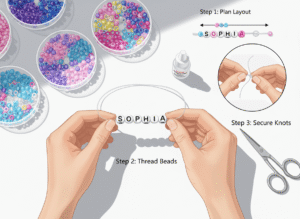
Crafting, especially hands-on activities like DIY jewelry making, provides one of the most natural and effective environments for children to practice patience.

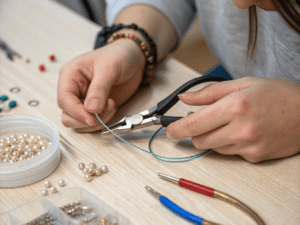
In essence, craft kits refine hand–eye coordination by engaging both the visual and motor systems through repeated, precision-based actions such as cutting, threading, measuring, and assembling.

Crafts that best support logical development include building and construction projects (LEGO, model-making, and paper engineering), puzzle and pattern crafts (jigsaw, Sudoku, and tessellation art), STEM-based DIY activities (coding robots, circuits, magnetic slime), and upcycling or problem-solving crafts like recycled material inventions.

Teachers integrate craft kits into learning plans by aligning them with curriculum goals, reinforcing key concepts in subjects such as science, art, and history, and promoting interdisciplinary, hands-on learning.

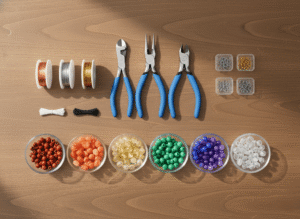
In 2025, the top-performing children’s craft kits feature STEM-art hybrids, eco-materials, and interactive crafting experiences. Bead and jewelry-making kits continue to be repeat bestsellers, while slime, pottery, and sensory play sets capitalize on tactile creativity trends.

Wooden craft kits tend to be safer and more sustainable because they contain fewer toxic additives and are less likely to break into dangerous fragments. However, safety still depends on manufacturing quality, coatings, adhesives, and compliance testing.