

Top 10 Global Suppliers of DIY Jewelry Making Kits
Whether you’re sourcing for your e-commerce store, planning a private label collection, or developing promotional craft sets, choosing the best global suppliers sets the foundation for success.

Whether you’re sourcing for your e-commerce store, planning a private label collection, or developing promotional craft sets, choosing the best global suppliers sets the foundation for success.
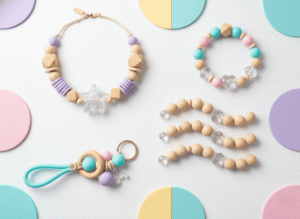
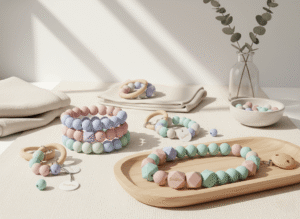
round silicone beads typically range from 9mm to 19mm, while specialty and geometric shapes cover 12mm to 30mm or beyond. The right size depends on the product’s function—delicate bracelets often use smaller beads, while keychains and necklaces rely on larger statement pieces.

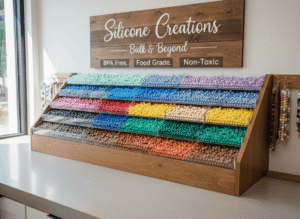
Silicone beads are non-toxic, durable, and nonporous synthetic polymers, completely different from plastic or resin beads. High-quality, food-grade silicone is BPA-, PVC-, and phthalate-free, heat-resistant up to hundreds of degrees Celsius, and does not absorb water or bacteria.

Silicone beads offer soft, flexible, non-toxic properties ideal for baby teething and sensory items. Wooden beads bring natural warmth and eco-friendly appeal perfect for sustainable craft and bohemian designs. Acrylic beads deliver vibrant aesthetics, lightweight durability, and cost efficiency, making them a top choice for decorative and fashion accessories.

Silicone beads designed for baby products are considered safe only if they are made from certified, BPA‑free food-grade silicone, meet EN 71 / FDA / CPSIA testing standards, and are assembled into designs that prevent choking and strangulation.

Silicone beads are durable, flexible, non-toxic, and available in customizable styles, offering a clean, safe, and creative alternative to traditional plastic or resin beads. Their lightweight, washable, and eco-friendly attributes make them ideal for both children’s jewelry and fashion-forward accessories.

Silicone beads are made of food-grade polysiloxane, a silica-derived polymer that’s soft, flexible, and safe for baby or skin-contact products. Plastic beads, on the other hand, are petroleum-based (like polypropylene or acrylic), harder, less temperature‑resistant, and may release toxins when heated.

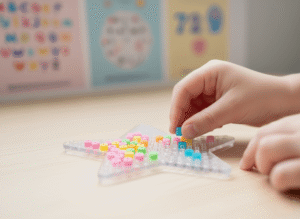
Fuse beads are hands-on teaching materials that build fine motor coordination, reinforce patterns and symmetry understanding, and embed STEM concepts such as pixel-based graphing, coding logic, and design sequencing. They work well across subjects—art, math, science, and technology—and adapt to individual and group learning contexts alike.

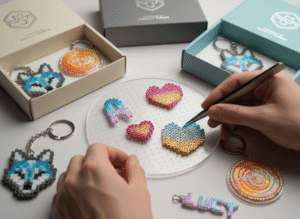
In 2026, fuse bead designs gravitate toward retro gaming icons, cottagecore nature motifs, character-inspired pixel art, and eco-conscious themes using glow-in-the-dark or transparent materials.