
Many crafters and jewelry DIY makers often ask a simple yet tricky question: Can you reuse fuse beads after melting them? Whether you are designing handmade accessories, batch‑producing decorative pieces, or crafting mock jewelry for prototypes, understanding how these plastic beads behave under heat is essential for both sustainability and efficiency in your production.
In short: once fuse beads (such as Perler or Hama beads) have been melted, they cannot return to their original cylindrical form.
The melting process permanently alters their structure, making them unfit for reuse as classic “pegboard beads.” However, these fused materials don’t have to end up in the bin—you can creatively repurpose or recycle them in new ways.
For jewelry designers, small‑scale producers, or wholesalers seeking sustainable practices, knowing how to reuse or repurpose these plastics can reduce waste, lower costs, and align your brand with eco‑friendly values.
What Happens to the Plastic Structure of Fuse Beads Once They Are Melted
Fuse beads are typically made from low‑density polyethylene (LDPE), a thermoplastic known for its flexibility and ease of melting. When exposed to heat, LDPE transitions from a solid polymer to a semi‑molten state, allowing individual beads to fuse together.
The Structural Change
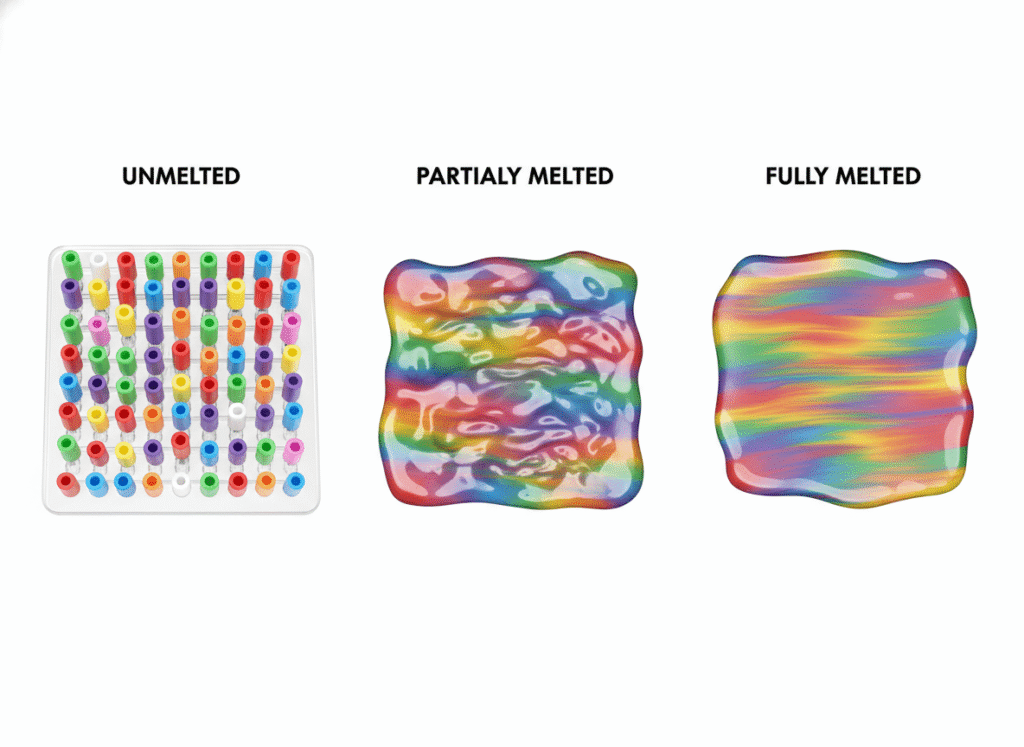
- Before melting: Each bead retains a hollow cylindrical shape that sits neatly on a pegboard.
- During melting: The plastic softens and flows, closing air gaps and adhering to neighboring beads.
- After melting: The result is a solid plastic sheet or plaque. The molecular bonds have altered, eliminating the ability to separate the piece back into independent beads.
| Stage | Plastic Condition | Functionality |
|---|---|---|
| Unmelted | Solid polymer, defined shape | Reusable beads |
| Partially melted | Semi‑fused, still recognizable | Possible re‑ironing repair |
| Fully melted | Amorphous plastic sheet | Can’t be reused as beads |
Once fused, you cannot “un‑melt” the plastic. The process is irreversible, which is why reused beads often warp or discolor if reheated.
Can I Remelt My Fused Bead Designs to Create New Shapes or Jewelry Pieces?
Technically, yes—but with limitations. While you cannot regain the original bead form, fused bead material can be repurposed into new shapes.
Option 1: Mold into New Shapes
You can reheat fused bead sheets and reshape them using:
- Silicone molds (for pendants, cabochons, or charms)
- Heat‑resistant glassware (to form bowls or trays)
Steps:
- Preheat your oven to 180–200°C (350–400°F).
- Place the fused bead scraps onto non‑stick parchment or silicone molds.
- Heat for a few minutes until they slightly soften.
- Allow to cool naturally.
Pro tip: Avoid excessive reheating—it causes bubbling, uneven surfaces, and off‑color tones due to degraded plastic. Always ensure good ventilation while working with melted LDPE.
How Can I Reduce Material Waste When Producing DIY Jewelry with Fuse Beads?
Whether you manage small batch production or educational craft workshops, minimizing waste is part of sustainable practice. Here’s how to reduce bead waste in jewelry production:
1. Reuse Unmelted Beads
Collect beads that were dropped or only partially melted during production. Store them in sorted containers by color for future designs.
2. Repair Instead of Restarting
If a fused sheet has weak joints or gaps, re‑iron it using parchment paper. This saves material rather than discarding an entire project.
3. Turn Scraps Into Accessories
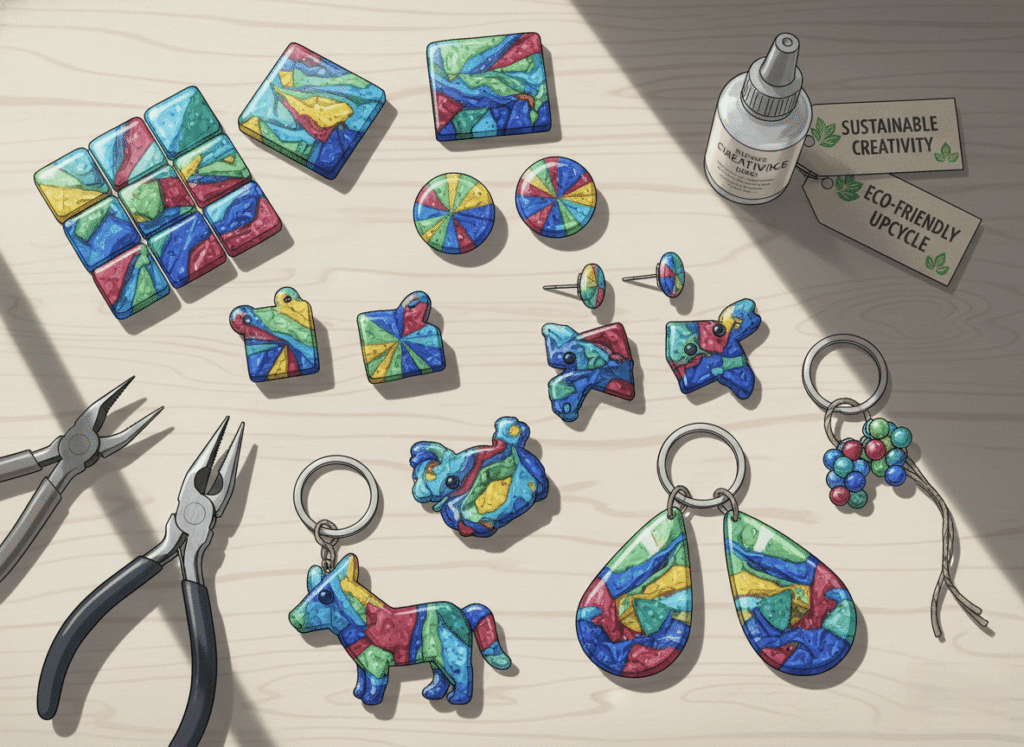
Cut fused leftovers into small tiles for mosaic jewelry, earring studs, or keychain inserts. These make creative add‑ons that express sustainability through design.
4. Implement Production Planning
Plan heating cycles carefully to prevent over‑melting. This reduces rejects and energy costs, particularly for bulk OEM production runs.
| Method | Description | Impact |
|---|---|---|
| Sorting reusable beads | Keep unmelted pieces | Reduces bead waste |
| Re‑ironing broken joints | Strengthens weak fusions | Extends product life |
| Upcycling scraps | Convert into decor or jewelry | Sustainable creativity |
| Controlled melting | Standardize heating time | Prevents defects |
What Are the Best Practices for Recycling or Reusing Leftover Fuse Bead Materials in Bulk Production?
For bulk manufacturers or B2B partners, scaling eco‑efficiency requires proper recycling and reuse channels.
1. Identify the Plastic Type
Most fuse beads are LDPE #4. This category is recyclable but not suitable for traditional remolding at home due to its low melting consistency.
2. Industrial Recycling
Partner with waste management facilities that accept LDPE. These plastics can be shredded and re‑pelletized for non‑food applications such as packaging fillers, plastic lumber, or outdoor products.
3. Internal Reuse Ideas
- Collect and compress fused scraps to produce colorful display samples or brand keychains.
- Offer workshops or creative kits for customers using these leftover materials—this builds brand equity and promotes circular design culture.
4. Avoid Over‑Heating
In bulk operations, repeated heating cycles accelerate plastic degradation and discoloration. Always regulate temperature and timing to maintain surface quality.
Conclusion
Once melted, fuse beads cannot be reused in their original bead form—the structural transformation caused by heat is permanent. However, reusing the fused material creatively offers valuable opportunities for sustainable craftsmanship and brand differentiation.
For individual creators, these practices support artistic expression with less waste. For jewelry brands, wholesalers, and OEM partners, adopting these upcycling techniques demonstrates eco‑awareness while optimizing material costs.
If your business produces handmade or imitation jewelry using thermoplastic materials, exploring creative repurposing and recycling solutions can help strengthen your sustainability strategy—without sacrificing design appeal.
