
When I first started beading, one of my biggest struggles was choosing the right thread or wire for each project. I’d buy beautiful beads only to realize later that my bracelet didn’t stretch enough, or my necklace sagged over time. It took me several trial-and-error attempts before I fully understood how thread types affect design flexibility, durability, and the overall finish of handmade jewelry.
The best thread or wire for bead kits depends on your project’s goals—elastic cord for stretch bracelets, nylon thread for delicate seed bead designs, and stainless steel beading wire for durable, professional-looking necklaces. In this guide, I’ll break down each material type, explain how to choose the right one, and share practical tips to help beginners make confident buying decisions.
With experience (and a few snapped strings along the way), I’ve learned which materials perform best and why some bead kits include several types for versatility. Let’s dive into the main thread and wire options used in bead kits, alongside the factors that affect quality, flexibility, and long-term wear.
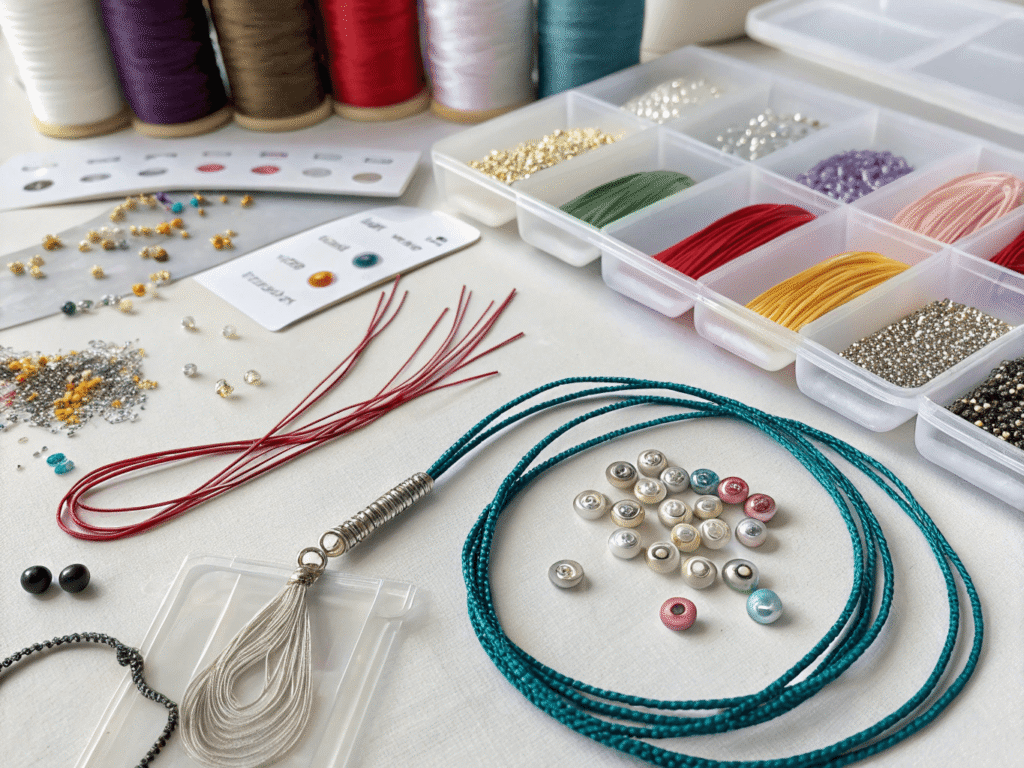
Understanding Thread Materials in Bead Kits
When opening a bead kit, you’ll usually find multiple spool types—each designed to suit different jewelry-making techniques. The choice you make directly impacts your design’s comfort, appearance, and durability.
Common Thread Types for Beginners
Here are the materials you’re most likely to encounter in starter bead kits:
| Thread Type | Common Use | Key Benefits | Typical Projects |
|---|---|---|---|
| Nylon Thread | General bead weaving and seed beads | Flexible, strong, smooth | Bead weaving, embroidery |
| Elastic Cord | Stretchy bracelet designs | No clasp required, easy for kids | Bracelets, anklets |
| Silk Thread | Elegant stringing for pearls or gemstones | Luxurious drape, knots easily | Necklaces, pearl strands |
| Monofilament | Invisible or “floating” look | Durable, clear finish | Minimalist jewelry |
| Cotton/Polyester Cord | Bohemian or macramé designs | Textured, natural feel | Chunky beadwork, macramé |
| Waxed Linen | Rustic handmade appearance | Holds knots firmly | Vintage-style crafts |
Why Material Choice Matters
Each thread’s composition affects how your beads sit and move. Nylon and silk create smooth, flowing results perfect for delicate work, while thicker cords or elastic are best for casual, tactile designs. If you’re starting out, experiment with at least two materials—a soft thread for precision and an elastic cord for flexibility.
Choosing the Right Jewelry Wire for Your DIY Project
Beading wire is often considered the backbone of professional jewelry design. Unlike elastic or thread, wire offers structure and longevity—perfect for necklaces or heavy beads.
Main Types of Beading Wire
Beading wire is typically made of stainless steel strands coated with nylon. These coatings prevent fraying and give the piece a supple finish.
| Wire Type | Composition | Flexibility | Recommended For | Typical Gauge |
|---|---|---|---|---|
| 7-Strand | Stainless steel core, nylon coating | Low | Chunky beads, geometric designs | 0.024″ |
| 19-Strand | Balanced flexibility and strength | Medium | Necklaces, general bead stringing | 0.019″ |
| 49-Strand | Highest flexibility, smooth drape | High | Fine gemstone jewelry | 0.014″ – 0.019″ |
From personal experience, I’ve found 19-strand wire to be the most beginner-friendly—it’s sturdy yet easy to handle while you’re still perfecting your crimping technique.
How to Match Wire to Bead Size
- Small Seed Beads (1–3mm): Use finer gauges (0.012″–0.015″).
- Medium Glass or Gemstone Beads (4–8mm): Go with a versatile 0.019″.
- Large Statement Beads (10mm+): Choose thicker wire (0.024″) for secure structure.
If unsure, opt for kits offering assorted gauges. They let you test weight, flexibility, and how smoothly wire threads through bead holes.
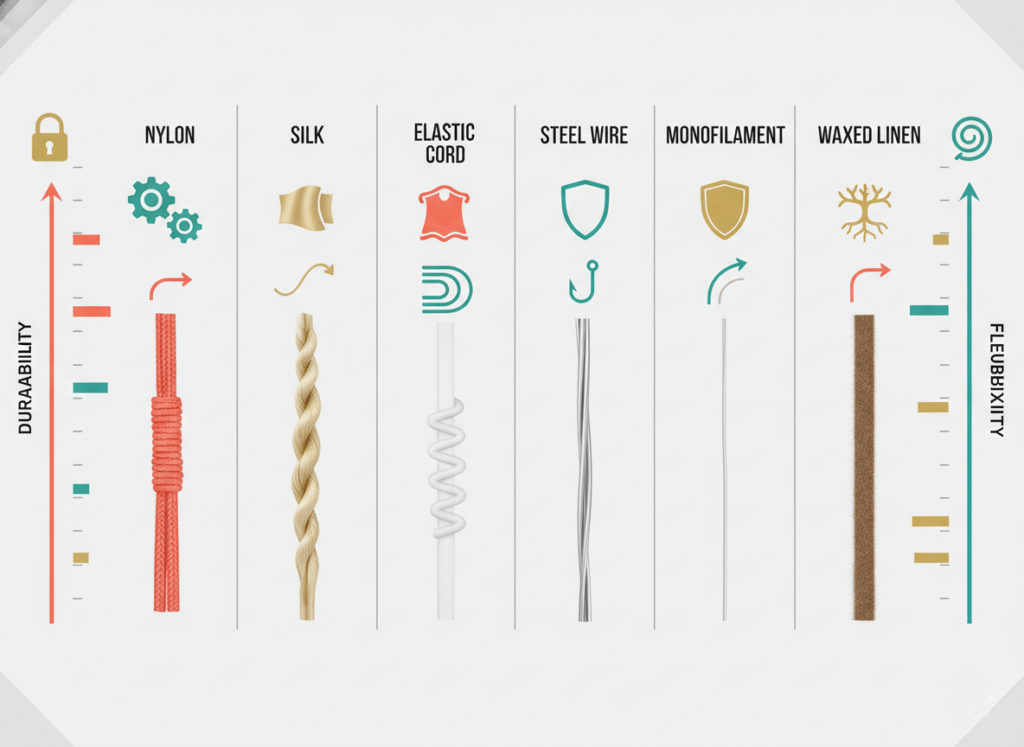
Comparing Durability and Flexibility
One lesson I learned early: thread strength doesn’t always mean stiffness. In jewelry-making, durability and flexibility often balance each other.
Thread vs. Wire Longevity
| Material | Durability | Flexibility | Tangling Resistance | Typical Lifespan |
|---|---|---|---|---|
| Nylon | Moderate | High | Low | 6+ months for casual wear |
| Silk | Moderate | Very High | Low | 6–12 months |
| Elastic Cord | Low–Moderate | Very High | Medium | 3–6 months |
| Beading Wire | Very High | Medium–High | Very High | 1–2 years |
| Monofilament | High | Medium | High | 1+ years |
Elastic cord is convenient but can stretch out over time. Silk provides unmatched drape but needs gentle handling. Nylon thread stands in between—durable and easy to knot. For longevity and professional strength, beading wire clearly wins.
Quick Maintenance Tips
- Always store finished jewelry flat to prevent twists.
- Avoid moisture; silk and cotton absorb humidity easily.
- Re-knot or restring pieces every 12–18 months to maintain tension.
- A nylon-coated wire extends life dramatically, especially for frequently worn necklaces.
From personal projects, I’ve found that mixing thread types—using nylon for bead weaving and wire for structural strength—produces well-balanced designs.
Tips for Buying Wholesale Bead Kit Accessories
Whether you’re sourcing your own materials or upgrading from a starter kit, knowing how thread and wire quality affects appearance and longevity is essential.
Key Factors Affecting Quality
- Coating or Finish: Nylon coating prevents oxidation and improves smoothness.
- Tensile Strength: Measured in pounds—choose higher strengths for gemstone pieces.
- Pre-Stretch Treatment: Reduces slack over time and minimizes sagging.
- Color Consistency: Thread dye should resist fading and friction.
- Packaging Integrity: Tightly wound spools prevent bending and creasing before use.
High-end kits typically include pre-coated or pre-stretched threads to reduce tangling and increase stability. If you’re buying wholesale, these small details make a big difference in how long your designs last.
Recommended Starter Combination
| Material | Ideal Use | Why Include It |
|---|---|---|
| Nylon Thread | Everyday beadwork | Inexpensive, versatile |
| Elastic Cord | Quick bracelets | Great for kids and casual wear |
| 19-Strand Wire | Structural pieces | Reliable choice for beginners |
| Silk Thread | Special occasion jewelry | Beautiful natural drape |
Frequently Asked Questions About Bead Kit Threads and Wires
To make this guide even more helpful for first-time buyers, I’ve answered some of the most common questions people ask when choosing thread or wire for bead kits. These insights come directly from my own beading experience and conversations with jewelry hobbyists.
What is the best thread for bead weaving?
If you’re working with seed beads, nylon beading thread is the best choice. Brands like C-Lon, Nymo, and K.O. are strong, smooth, and easy to manage even through small bead holes. I recommend beginners start with nylon because it resists fraying and comes pre-waxed for smooth passes through beads.
When should I use elastic cord instead of thread?
Elastic cord is perfect for stretch bracelets and casual designs that don’t require clasps. I use it often when making pieces for kids or quick gifts. Just remember that elastic eventually loosens over time, so choose high-quality cords that are pre-stretched or thick enough (around 1mm) for better resilience.
Is beading wire stronger than thread?
Yes — stainless steel beading wire coated with nylon is significantly stronger than traditional threads. It’s ideal for necklaces or heavy gemstone projects. Unlike thread, wire resists fraying and doesn’t absorb moisture, which means your jewelry lasts longer and holds its shape well.
Can I mix thread and wire in the same project?
Definitely. I love combining the two to create structure and texture contrast. For example, use beading wire as your main stringing base, then incorporate finer nylon thread for intricate bead stitching or accent details. Hybrid designs feel balanced and much more unique.
How do I prevent my thread or wire from tangling?
Here are my go-to tricks to avoid tangles:
- Use a bead mat to keep materials from rolling around.
- Cut small lengths (no more than an arm’s width) at a time.
- Apply thread conditioner or beeswax for added smoothness.
- For wire, use spool tamers to secure ends while in storage.
What gauge of beading wire should beginners buy?
Start with 0.019-inch, 19-strand wire. It’s flexible enough for most bead sizes and strong enough for daily wear. Many starter bead kits already include this size for beginners—it’s a reliable all-purpose option you can’t go wrong with.
Additional Buying Tips for Beginners
Here are some quick lessons I learned (often the hard way!) that can save you both time and frustration:
- Always test your thread before stringing all beads. Tug gently to make sure it won’t snap under tension.
- Keep spare crimps and jump rings handy. They’re small but essential for finishing wire-fed designs.
- Don’t skip thread conditioners. Pre-waxing your thread makes a huge difference in strength and smoothness.
- Label leftover wire and cord lengths. This helps you match the right material for future repair work.
- Invest in a bead board or mat. It keeps your design layout neat while reducing tangling.
These small habits become second nature as you advance — and they noticeably improve your jewelry’s polish and longevity.
Quick Comparison Summary
Here’s a simplified comparison table summarizing everything from this guide:
| Material | Best For | Skill Level | Durability | Flexibility | Appearance |
|---|---|---|---|---|---|
| Nylon Thread | Bead weaving, embroidery | Beginner | ★★★★☆ | ★★★★★ | Smooth, invisible |
| Elastic Cord | Bracelets, children’s jewelry | Beginner | ★★★☆☆ | ★★★★★ | Shiny or matte |
| Silk Thread | Elegant necklaces, pearls | Intermediate | ★★★☆☆ | ★★★★★ | Luxurious, soft drape |
| Beading Wire | Heavy beads, necklaces | Beginner–Intermediate | ★★★★★ | ★★★★☆ | Professional finish |
| Monofilament | Floating designs | Beginner | ★★★★☆ | ★★★★☆ | Clear, flexible |
| Waxed Linen / Cotton Cord | Rustic or macramé styles | Beginner | ★★★☆☆ | ★★★☆☆ | Natural, textured |
Final Thoughts
When choosing thread or wire for bead kits, focus less on fancy labeling and more on how the material behaves in your hands. After all, beading is about creativity and craftsmanship — not just product specs. Start with a versatile combination: nylon thread for flexibility and 19-strand stainless steel wire for structure. As you experiment, you’ll naturally feel which materials complement your style.
I still remember the satisfaction of my first fully intact wire-strung necklace — smooth, secure, and beautifully draped. It reminded me that mastering the basics is the real foundation for great design. So, take your time, test materials, and most importantly, enjoy the process. That’s where the magic of handmade jewelry truly begins.
Quick Key Takeaways
- Elastic cord → great for stretchable bracelets and quick projects.
- Nylon or silk thread → perfect for seed beads and intricate weaves.
- Stainless steel beading wire → ideal for durability and structure.
- Mix materials for creative design flexibility and durability.
- Buy pre-coated or pre-stretched threads to improve longevity.
Conclusion: My Beginner’s Recommendation
After years of experimenting with different bead kit materials, my go-to combination is nylon thread and 19-strand stainless steel wire. They strike the perfect balance between ease, strength, and versatility. Nylon thread keeps intricate beadwork smooth, while steel wire provides the durability required for long-lasting necklaces and bracelets.
If you’re just starting, pick a kit that includes various thread types so you can experiment freely. Understanding how each behaves will give you creative control and confidence in future projects.
Based on my experience, this approach ensures your beadwork doesn’t just look good—it lasts. Start simple, learn how each material feels and performs, and soon, choosing the right thread or wire will feel as natural as matching beads themselves.
