
Introduction
In the world of accessories, the subtle nuances can make a significant impact—especially when it comes to adornments like keychains and bag charms. These seemingly simple items can serve multiple purposes ranging from practical utility to expressive personal style. Understanding their differences is crucial for both consumers and businesses operating within the fashion accessory sector.
Keychains and bag charms might appear interchangeable at first glance but they serve distinct roles. The core insights boil down to functionality, design, and placement, aspects that guide users in choosing the right accessory for specific needs. While keychains primarily offer utility, often helping in organizing and identifying keys, bag charms tend to lean towards aesthetic enhancements, making bags stand out in a crowd.
Understanding these distinctions not only aids consumers in making informed purchase decisions but also helps businesses in tailoring their marketing strategies and product development to cater to varied preferences. This blog will delve deep into these differences and highlight why both items hold pivotal roles in the accessory market.
The Core Differences Between Keychains and Bag Charms
Functionality: More Than Meets the Eye
Keychains: Where Utility Reigns
Keychains are designed with functionality in mind. Originally created to keep keys organized and easily accessible, they often feature a simple loop or ring engineered for security and convenience. The primary function revolves around practical application—whether it’s attaching keys for your home, car, or office.
Keychains can also include added features such as small LED lights, personalized engravings, or even portable storage devices. The emphasis remains on utility—anything that enhances the ease of use and practical application for the user.
Subsections:
- Design Features: Discuss popular designs such as multi-loop keychains for categorizing keys, or keychains with integrated tools like bottle openers.
- Material Choices: Explore commonly used materials like metal, plastic, and leather, highlighting their durability and suitability for everyday use.
- Innovative Uses: Showcase unique keychains that break the mold, such as those incorporating gauging tools or survival items.

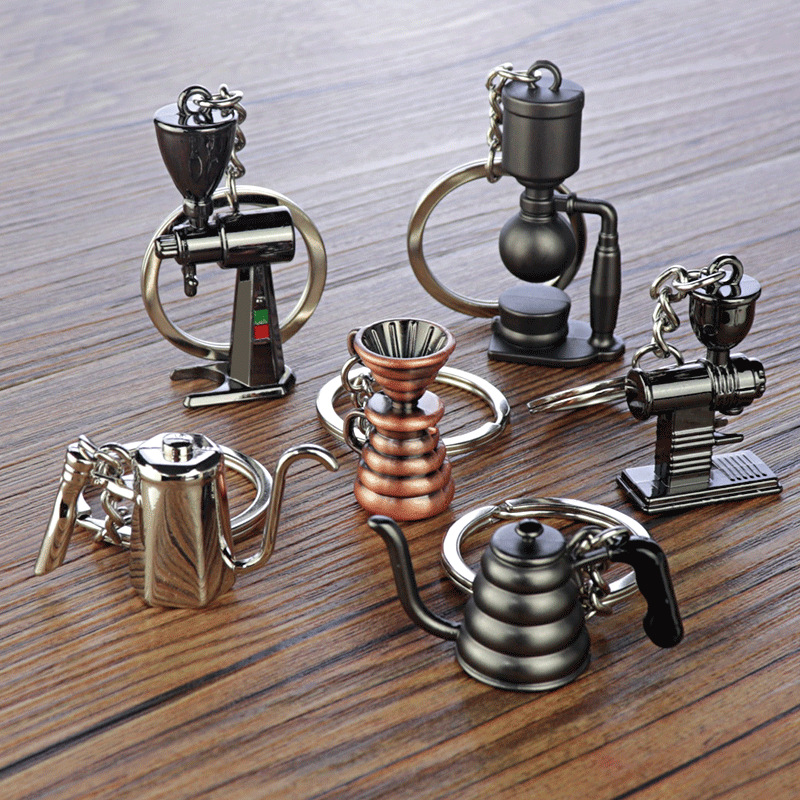
Bag Charms: Aesthetic and Personal Expression
While keychains focus on utility, bag charms are all about style and personalization. Designed to decorate bags, these charms express individuality and enhance the visual appeal of any accessory they adorn. They come in a wide array of designs, often encapsulating themes, moods, or brand identities.
Bag charms serve as conversation starters and fashion statements, contributing to a personalized look. They might include elements such as tassels, miniature figurines, or custom engravings, each chosen for its aesthetic appeal rather than practical utility.
Subsections:
- Style Trends: Identify trending bag charm styles, such as bohemian tassels, sleek metallics, or seasonal motifs.
- Material Exploration: Discuss the diverse use of materials including fabric, resin, metal, and handmade components for artistic expression.
- Customization Potential: Review how brands offer customization options to create one-of-a-kind bag charms through monograms or unique designs.
Placement and Usage: Contextual Differences
Keychain Placement: Accessibility is Key
Keychains are primarily used to keep keys easily accessible. Whether attached to a belt loop, nestled in a pocket, or hanging from a hook at home, their placement is dictated by convenience. They are designed for quick access and efficient utility in daily routines.
Subsections:
- Ideal Locations: Identify typical places for keychain use such as hooks, trays, or clipped inside bags.
- Usage Habits: Discuss common user habits like associated rituals and routines that utilize keychains effectively.
Bag Charm Placement: Aesthetic Highlighting
Bag charms are designed to be visible and highlighted on bags. Their strategic placement serves an aesthetic purpose, usually dangling from handles or zippers where they can catch the eye and complement the overall style of the bag. Bag charms are much about presence and often serve as a highlight that draws attention.
Subsections:
- Placement Techniques: Explore different ways to attach charms to bags, balancing weight and style.
- Visibility Importance: Discuss the role of visibility in enhancing bag charm effectiveness, ensuring it complements the bag.
- Style Cohesion: Review how bag charms can be chosen to coordinate with bag design, color, or occasion.
Market Trends and Consumer Behavior
Keychain Market Dynamics
Keychains often ride on practical trends in a retail context. They can exhibit seasonal color variations or incorporate new technologies like smart tags or NFC chips. Market trends lean towards innovative functions and personalized elements that enhance keychain appeal.
Subsections:
- Consumer Preferences: Analyze preferred keychain traits found in consumer surveys—durability, novelty, or personalization.
- Retail Strategies: Explore how retailers emphasize keychain utility in advertising and product placements.
Bag Charm Market Dynamics
Bag charms reflect fashion cycles and emerging style motifs. Their market evolution is heavily influenced by seasonal fashion trends, celebrity endorsements, and social media influences. Bag charms tap into consumer desires for self-expression and branding, often linked to designer offerings or exclusive collections.
Subsections:
- Fashion Cycle Influence: Review how bag charms adapt to current fashion cycles and style influences.
- Brand and Influencer Impact: Discuss how collaborations with brands and influencers can propel bag charm popularity.
- Design Evolution: Explore how bag charms have evolved in design and function to cater to varying consumer tastes.
Conclusion
In summary, while keychains and bag charms share some similar characteristics, they ultimately serve distinctive purposes within the accessory realm. Keychains are practical tools that contribute to organizational efficiency, whereas bag charms are style-enhancing accessories that offer personal expression.
Whether you’re a vendor or consumer, recognizing these differences can enrich purchasing decisions and marketing strategies. As a professional in the industry, leveraging these insights can drive engagement and inquiries. For businesses venturing into the accessory market, tapping into these nuanced distinctions offers a strategic advantage—allowing for product differentiation and targeted consumer interactions.
Ready to enhance your accessory offerings or explore unique styles? Contact us today and let’s make your accessory journey memorable and impactful.
