
Learning jewelry-making can be both exciting and rewarding, especially when you start with a beginner’s kit. Many aspiring creators—whether hobbyists or future jewelry entrepreneurs—wonder how long it really takes to go from awkward first attempts to confidently crafting polished, wearable designs.
On average, beginners can master basic jewelry-making techniques with a well-designed kit in two to four weeks of consistent practice. The timeline depends on your commitment, the quality of materials, and how structured your learning approach is.
Understanding this progression is essential whether you are an individual learning the craft for fun or a jewelry brand training new artisans. In this article, I’ll walk through each stage of skill development, offer practical tips for choosing the right kit, and explain how to scale from DIY handmade jewelry to professional OEM partnerships.
Understanding the Learning Curve with a Jewelry Kit
When you open your first jewelry-making kit, the learning curve feels steep—but it flattens surprisingly fast once you begin practicing with purpose.
The First Few Days: Orientation and Basic Hand Skills
- Most beginners start with simple projects such as stretch bracelets or bead-stringing.
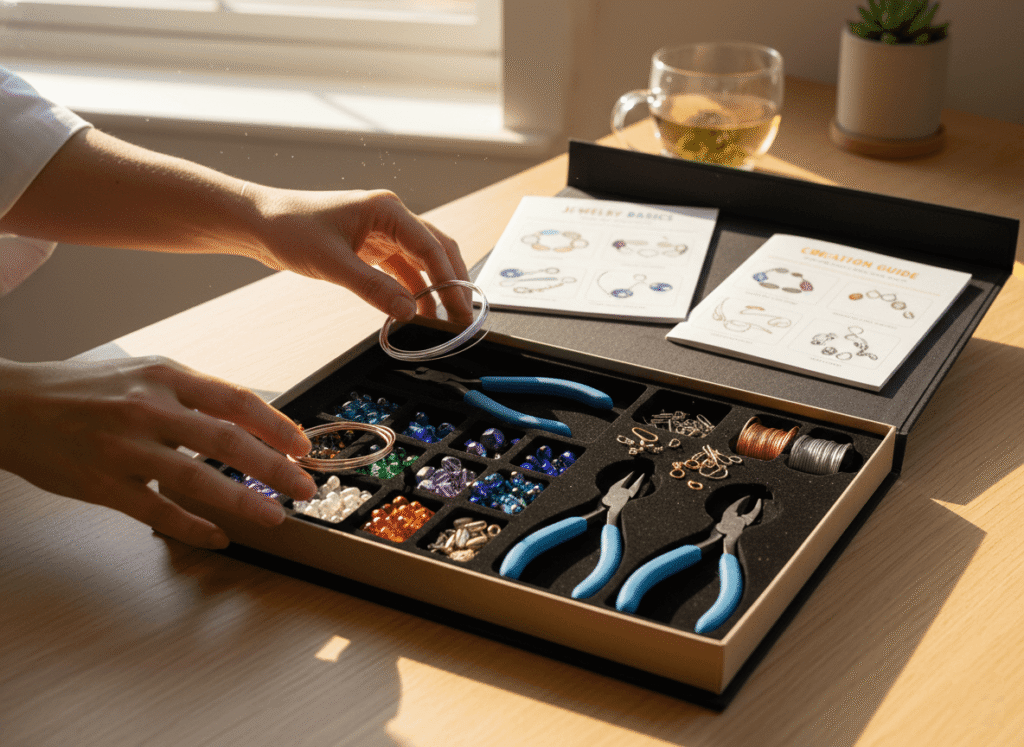
- During days 1–3, focus on getting comfortable with tools like round-nose pliers, cutters, and crimping pliers.
- Expect slight hand fatigue at first—coordination improves after 3–5 hours of practice.
Weeks 2–4: Building Technical Confidence
In the first month, practice core operations repeatedly:
- Stringing beads evenly
- Attaching findings (clasps, jump rings)
- Making clean wire loops and crimps
Each project serves as a training module—bracelets teach tension control, earrings teach symmetry, and necklaces develop pattern consistency. Most learners reach “basic competence” within 2–4 weeks, producing neat, wearable pieces consistently.
| Skill Stage | Duration | Key Focus | Example Projects |
|---|---|---|---|
| Beginner | 1–3 days | Tool handling, basic terminology | Simple stretch bracelet |
| Competent | 2–4 weeks | Wire loops, crimping, bead spacing | Earrings, beaded necklaces |
| Confident | 2–3 months | Consistency, design structure | Layered chains, pendant work |
| Intermediate | 6–12 months | Combining techniques, custom designs | Mixed-metal collections |
Choosing the Right Jewelry-Making Kit for Beginners
Selecting the right starter kit determines whether learning feels intuitive or frustrating. As someone who has guided dozens of new makers in workshops, I always emphasize quality and clarity.
What to Look For
- Comprehensive Tools – Include pliers (round-nose, flat, and cutters), tweezers, and crimping tools.
- Organized Materials – Pre-sorted beads, wires, and findings help beginners identify components easily.
- Clear Instructions & Visual Guides – Step-by-step manuals or video tutorials are critical for independent learning.
- Quality of Components – Cheap findings tarnish quickly and discourage further progress. Look for brass, stainless steel, or plated options for longer lifespan.
Recommended Kit Types
- Beading Kits – Ideal for rapid success; low-cost entry point.
- Wire-Wrapping Kits – Great for learning precision and design dynamics.
- Silver Clay or Metal Kits – Better suited for learners transitioning toward professional techniques.
Structured Practice: Steps to Improve Jewelry-Making Skills
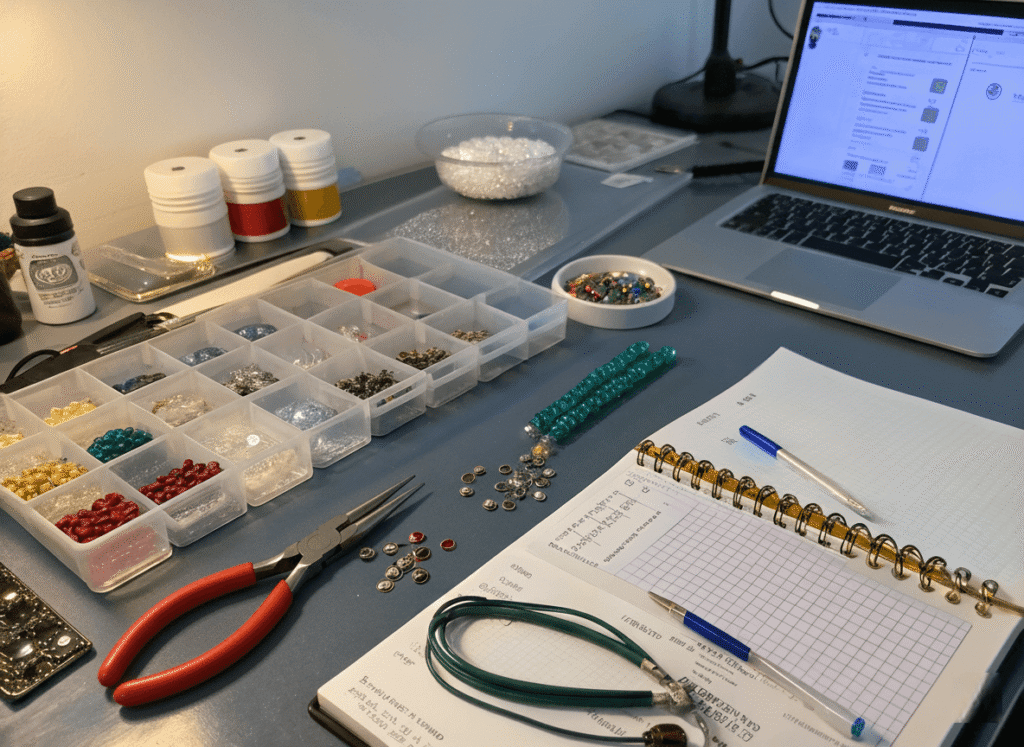
Mastery requires deliberate, structured practice—random crafting rarely leads to consistent results.
Step-by-Step Skill Building
- Set Weekly Goals: Aim to complete one new project per week.
- Track Techniques: Maintain a small notebook listing what you practiced (e.g., “clean loop closure,” “balanced wire turns”).
- Use Reference Guides: Compare finished pieces to professional samples—identify gaps and correct them.
- Review Tutorials or Join Classes: Community platforms or short online lessons accelerate learning through feedback.
Advanced Kits and Skill Expansion
Once you’ve mastered basic beading and wire wrapping:
- Move on to soldering and metal forming.
- Learn finishing and polishing techniques.
- Experiment with mixed materials—fabric, resin, or natural stones.
It’s realistic to expect 6–12 months to reach intermediate fluency, at which point your craftsmanship and creativity combine naturally.
Scaling from DIY Jewelry Making to OEM-Level Production
Many small jewelry creators eventually aim to turn hobby work into commercial lines—this is where scaling strategy matters.
When You’re Ready to Partner with Manufacturers
Look for OEM partners who:
- Accept small MOQ (Minimum Order Quantity) for new designers.
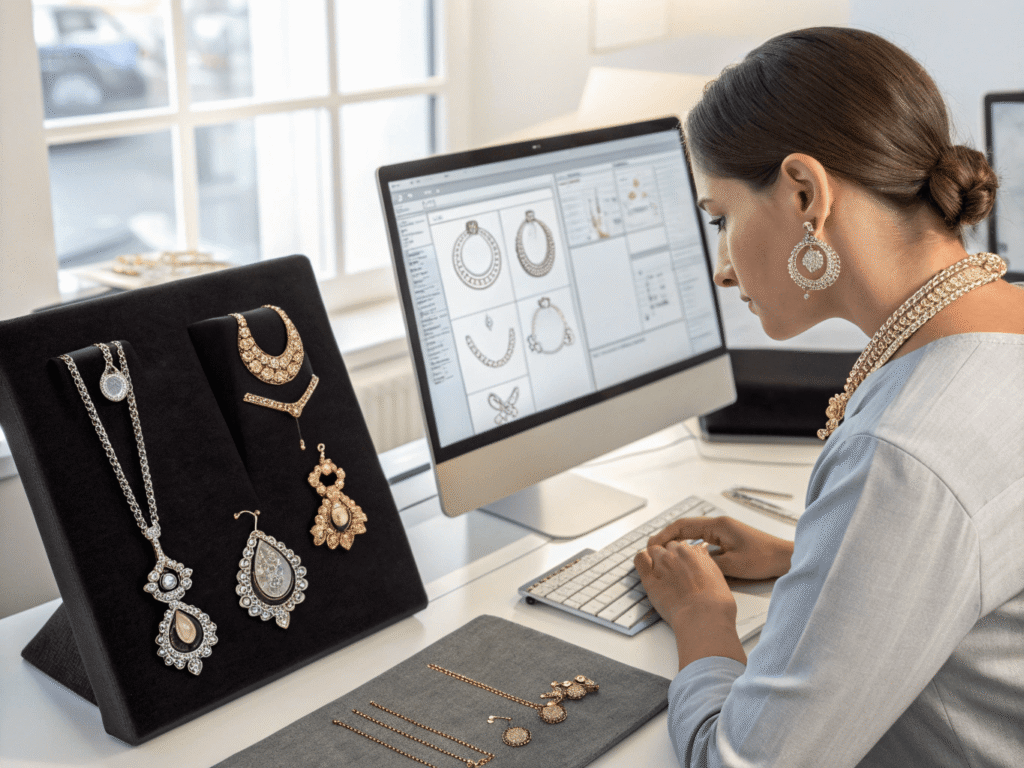
- Provide CAD-based design support for accuracy.
- Offer samples and plating alternatives matching your brand aesthetic.
Transition Steps
- Start with Proven Designs: Convert your most popular DIY pieces into manufacturer-ready versions.
- Select Materials Smartly: Move from craft-level wires to brass, copper, or 925 silver for durability.
- Discuss Surface Finishes: Gold plating, rhodium, or antique finish can elevate perception and retail value.
- Focus on Documentation: Provide clear sketches, specifications, and dimension notes—a crucial part of OEM collaboration.
| Growth Phase | Key Action | Outcome |
|---|---|---|
| DIY Stage | Practice basic techniques | Develop confident craftsmanship |
| Semi-Professional | Sell small handmade batches | Build brand identity |
| OEM/Brand Partnership | Collaborate with manufacturer | Scale production efficiently |
Conclusion
Mastering basic jewelry techniques with a kit takes about 2–4 weeks of consistent effort, but the real artistry unfolds over several months of structured learning and experimentation. Kits provide an ideal foundation—simplifying materials, tools, and workflows for rapid progress.
If you’re a jewelry brand or wholesaler, understanding this learning timeline helps set realistic expectations for artisan training and prototype development. And if you’re an independent maker, structured practice and quality tools will transform your early jewelry pieces into professional-level designs sooner than you think.
Ready to go beyond the basics? Partnering with an experienced OEM jewelry manufacturer can help transform your creativity into scalable, high-quality collections fit for retail and international markets.
