
Choosing the right colors for handmade bead jewelry isn’t just about aesthetics—it’s about creating emotional connections with buyers and reflecting current market trends. Whether you design for retail, wholesale, or collaborate with OEM partners, understanding color preferences can transform your collection from average to outstanding.
In this guide, I’ll break down the most in-demand bead jewelry colors, how to choose palettes that resonate with your audience, and what seasonal color trends are shaping the market in 2025.
This topic matters equally to independent designers and bulk suppliers: the right color strategy drives inventory decisions, collection planning, and customized product development. Below, we’ll explore how colors influence perception, purchasing, and brand positioning within the handcrafted jewelry sector.
Timeless Color Favorites in Handmade Bead Jewelry
Some colors never go out of style—classic neutrals and metallics dominate because they pair effortlessly with any outfit or design concept.
Neutral and Metallic Foundations
Black, white, beige, and gray remain essential choices for artisans and wholesalers alike. They serve as anchor tones—a canvas to balance or highlight brighter hues. On the other hand, metallic tones such as gold, silver, and rose gold reinforce quality and elegance. Metallic-coated beads are especially popular among craft studios and OEM manufacturers producing boutique-quality items for global markets.
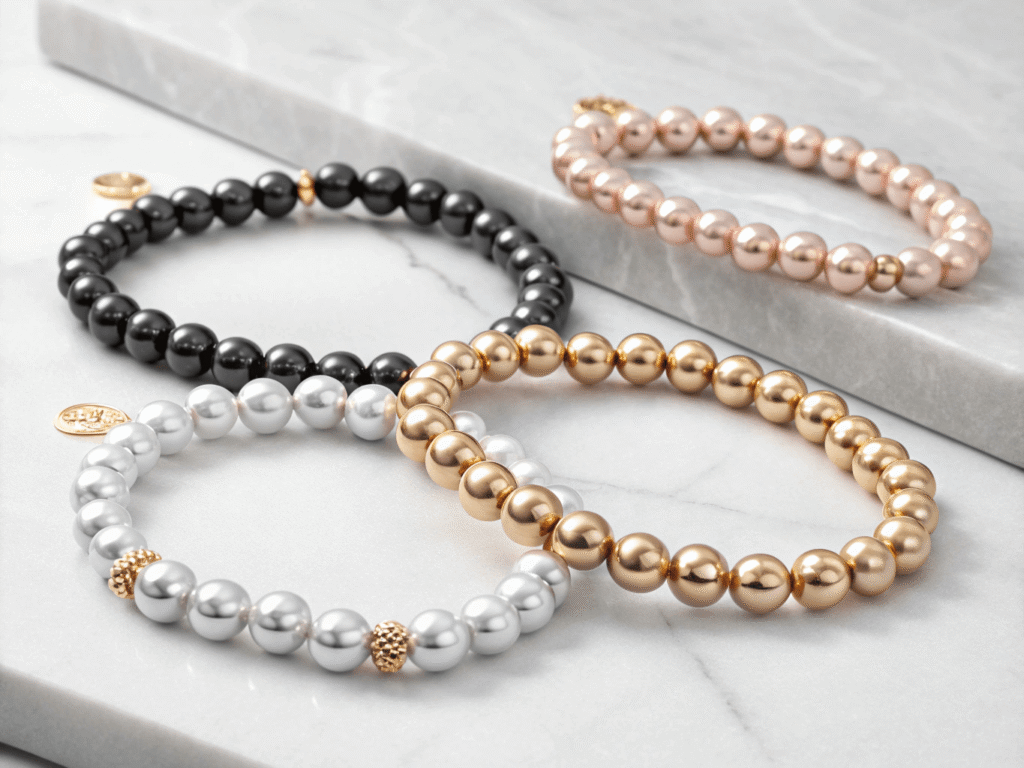
| Color Family | Mood/Effect | Best Used For |
|---|---|---|
| Gold & Bronze | Warm, luxurious | Formal or evening collections |
| Silver & Gunmetal | Modern, versatile | Unisex and minimalist lines |
| Black & Gray | Sophisticated neutrality | Everyday wear and office chic |
| White & Ivory | Clean, romantic | Bridal and summer jewelry |
Expert tip: For B2B manufacturers, offering neutral bead assortments ensures high compatibility with diverse design themes—this increases reorder potential among brand clients.
How to Choose Bead Colors That Fit Your Target Market
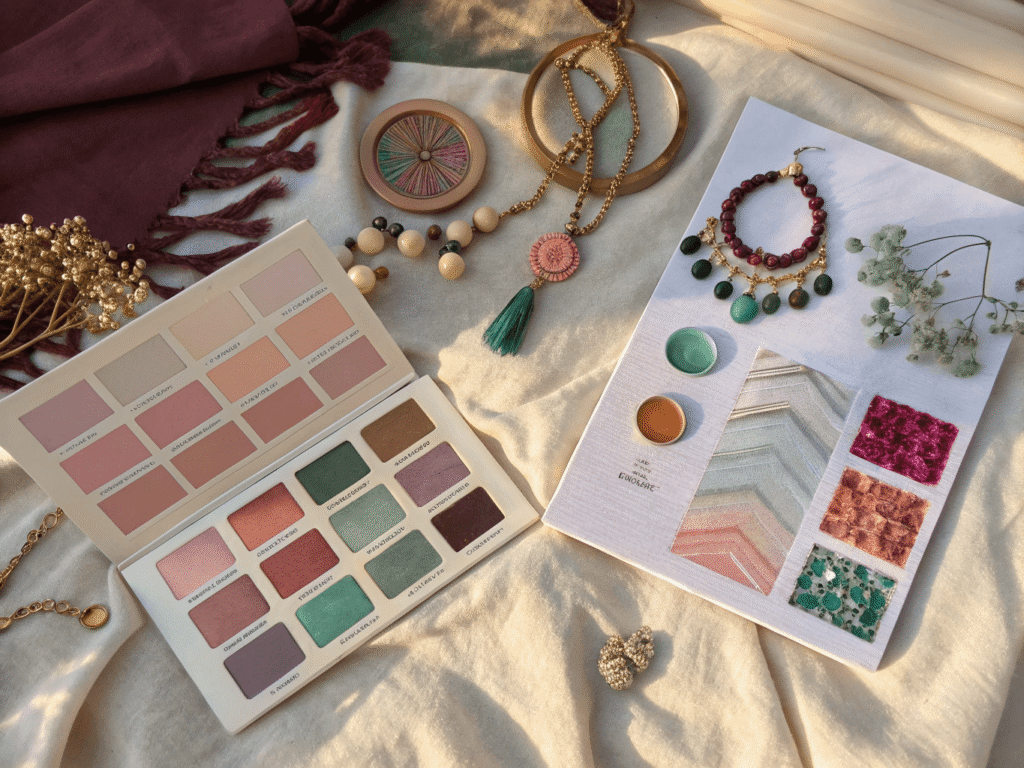
Your ideal color palette depends on your audience demographics, regional preferences, and sales channel. A wholesale buyer in coastal regions may favor turquoise and aqua, while boutique brands in urban markets lean toward muted neutrals or jewel tones.
Understanding Color Psychology in Jewelry
Each color evokes particular emotions:
- Blue inspires calm and trust — great for corporate gifting designs.
- Red and Coral attract attention — perfect for festival collections.
- Green symbolizes balance and connection to nature — fits eco‑friendly brands.
- Pink and Rose Quartz shades capture femininity — popular among young consumers.
Practical Steps for Selection
- Study seasonal lookbooks from trend authorities like Pantone and WGSN.
- Track social media analytics—note which hues perform best in jewelry posts.
- Create test batches of 3–5 color variants for limited retail releases.
- Refine based on buyer feedback before scaling up production.
For wholesalers and OEM manufacturers, this process minimizes unsold stock while keeping collections aligned with global consumer tastes.
Seasonal Color Trends in 2025
Fashion-driven jewelry follows a rhythm: fresh and vibrant for spring/summer; earthy and rich for fall/winter.
Spring/Summer 2025 Palette
Trend colors include blush pink, lavender, mint, aqua, rose peach, and tanzanite blue—ideal for light, airy beaded necklaces or boho-inspired bracelets. Pastels are dominating minimalist jewelry on social platforms like Etsy and Instagram.
Fall/Winter 2025 Palette
Deep, grounded tones such as burgundy, dark cherry, moss green, amber, and coffee brown take precedence. These shades pair well with vintage bronze findings or matte metallic beads for a refined look.
| Season | Trending Colors | Ideal Usage |
|---|---|---|
| Spring/Summer | Blush, Aqua, Mint, Coral | Casual & beach-inspired jewelry |
| Fall/Winter | Burgundy, Emerald, Amber, Bronze | Statement or layered necklaces |
| Year-Round | Gold, Silver, Black, White | Timeless basics for all markets |
How Color Choices Impact Custom Bead Jewelry with OEM Manufacturers
When collaborating with OEM partners for custom jewelry production, accurate color planning ensures consistency and brand identity.
Communicating Color Requirements
- Provide Pantone or HEX references instead of verbal descriptions.
- Request color samples under different lighting conditions—daylight vs studio.
- Confirm plating and coating compatibility (especially for metallic beads).
- Test small production batches to verify dye stability and bead finish.
OEM factories often work across different bead types—glass, acrylic, gemstone, and metalized plastic—so clarity in communication prevents mismatches.
Balancing Creativity and Production Practicality
While designers may prefer intricate multi‑tone gradients, manufacturers must account for dye limitations and material absorption rates. A collaborative approach—color mockups plus prototype evaluation—helps maintain your desired palette integrity during mass production.
Sourcing High-Quality Beads in Trending Colors
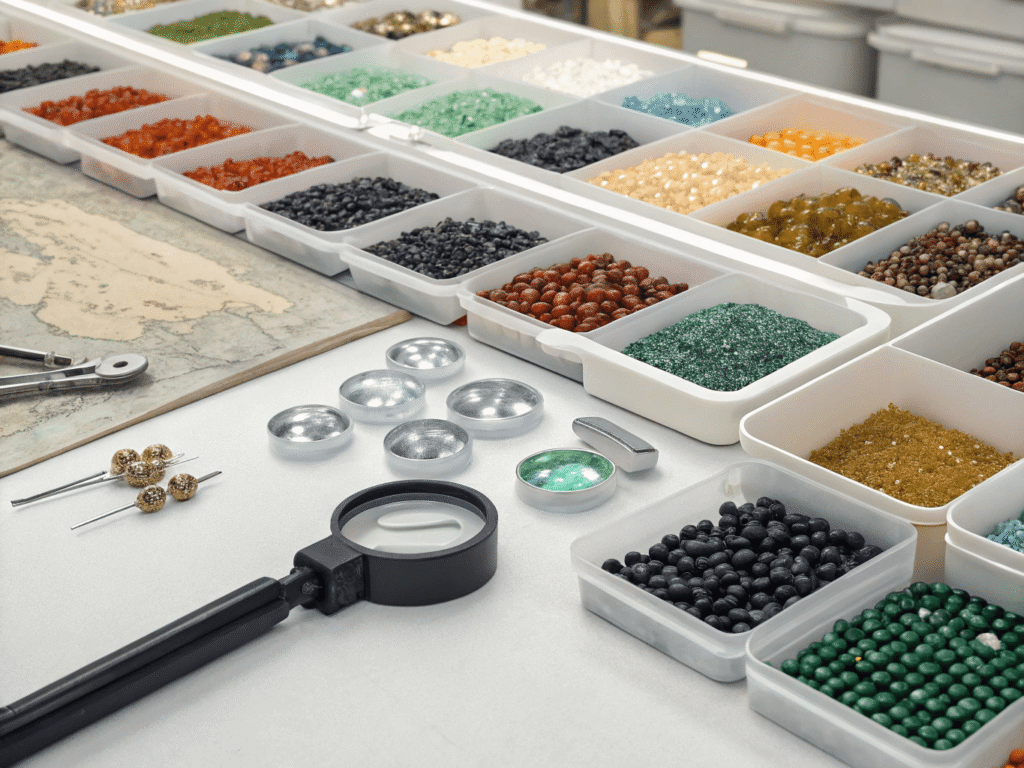
To secure trending shades and premium finishes, select suppliers that specialize in seasonal palette updates.
Recommended sourcing channels for bead businesses:
- Global wholesale platforms like Alibaba and 8Seasons offer vast bead color options for large-scale orders.
- Regional manufacturers in India, China, and Czech Republic provide specialty glass and gemstone beads.
- Independent artisan suppliers often stock exclusive color blends, ideal for boutique brands seeking unique hues.
When purchasing, verify:
- Color coating durability (especially for metallic or iridescent beads).
- Batch color consistency—essential for long-term OEM partnerships.
- Availability of eco-friendly dye or recycled bead options to align with sustainability trends.

Conclusion
Color selection is more than design preference—it’s a strategic business decision that shapes how your handmade bead jewelry connects with consumers and distinguishes your brand in the market.
By combining timeless neutrals, popular gemstone tones, and seasonal trend insights, both independent artisans and wholesale buyers can build more cohesive, profitable collections.
If you’re a jewelry brand, wholesaler, or OEM partner, start by refining your color palette strategy. Work closely with manufacturers who can deliver precise color matching, and stay ahead of emerging trends to ensure your bead designs remain visually compelling and commercially successful.
