
For jewelry wholesalers, craft suppliers, and private label kit manufacturers, the growing demand for beginner-friendly and affordable DIY materials is reshaping product sourcing strategies. One standout choice across these markets is plastic beads, a versatile, cost-effective material with applications from children’s craft sets to entry-level jewelry design kits. As a custom jewelry supplier or fashion accessories manufacturer, understanding the role of plastic beads in global starter kit production is crucial for tapping into a profitable segment of the creative and educational tools industry.
Plastic beads are lightweight, safe, durable, and inexpensive—making them ideal for beginner jewelry, craft, and hair braiding kits. Their low MOQ, extensive color range, and customizable OEM/ODM options make them a top choice for global B2B buyers seeking scalable, child-safe, and visually attractive kit components.
As a manufacturer who has worked with both plastic bead producers in China and overseas distributors, I’ve observed an increase in demand for tactile and colorful starter kits targeting students, hobbyists, and first-time jewelry makers. In this article, I’ll share sourcing insights, cost considerations, and B2B strategies for ensuring the plastic beads you purchase are safe, colorfast, and consistent—while maintaining control over MOQ and quality assurance in bulk orders.
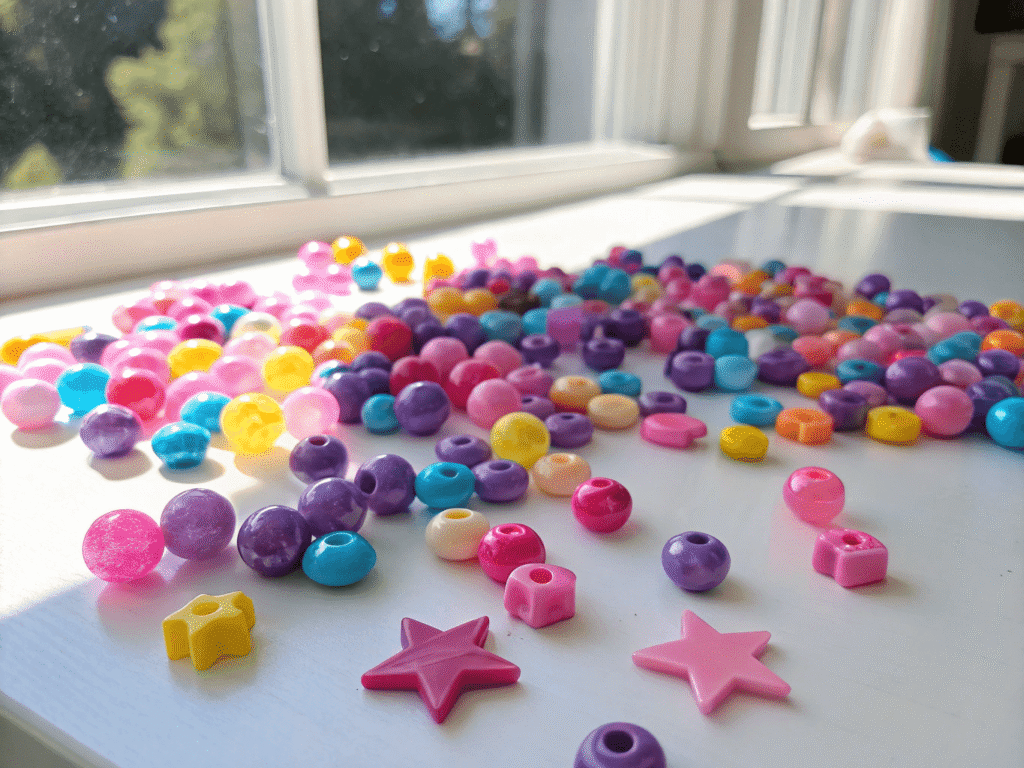
Why Choose Plastic Beads Over Metal or Glass for Starter Kits?
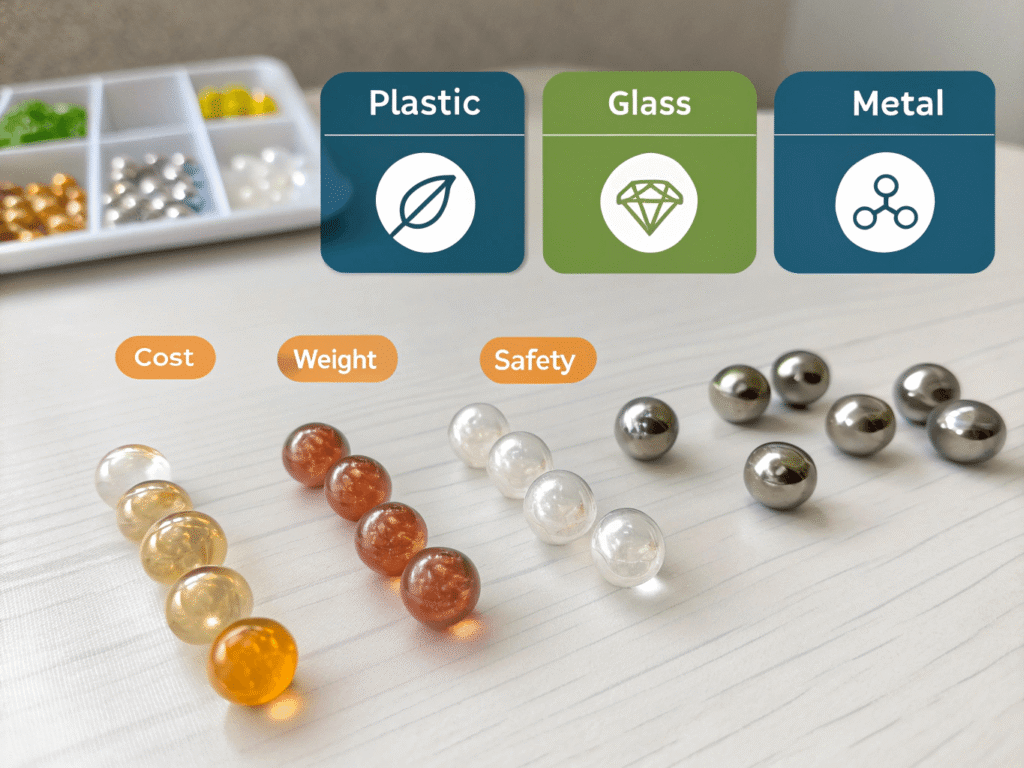
When evaluating material options for your wholesale jewelry kits or creative craft ranges, the trade-offs between plastic, glass, and metal beads are multifaceted. For B2B buyers, the deciding factors often include cost per unit, safety standards, shipping weight, and product appeal.
1. Affordability & Accessibility
Plastic beads are among the most affordable beading materials available. They lower production costs dramatically, enabling brands to create beginner kits with attractive retail prices. This affordability is especially important for giftable products or seasonal ranges where low-cost materials drive higher margins.
For example, while glass beads require careful packaging and protective shipping, plastic beads can be bulk-packed with minimal breakage risk, reducing both logistics costs and material loss.
2. Lightweight Comfort & Ease of Use
One of the core advantages I emphasize to buyers is handling comfort. Plastic’s density is significantly lower than that of glass or metal, making it ideal for products used by children or beginners.
- Facilitates safer use with reduced risk of cuts or fatigue.
- Ideal for creating chunky statement jewelry that remains lightweight and wearable.
- Perfect for teaching basic jewelry techniques, knotting, and pattern repetition.
3. Durability and Safety in Transit
Glass can chip or shatter; metal can dent or tarnish. Plastic remains resilient under impact, making it well-suited to long-distance shipping and retail packaging. From my factory experience, plastic beads show a less than 1% damage rate in drop tests, compared to as high as 10% for lower-grade glass. This alone can save thousands in product replacement or return costs over multiple container shipments.
| Material Type | Average Cost/kg (USD) | Breakage Risk | Shipping Weight | Safety for Kids | MOQ Flexibility |
|---|---|---|---|---|---|
| Plastic (Acrylic/Pony) | $1.20–$2.50 | Very Low | Lightweight | Excellent | High |
| Glass | $3.50–$5.00 | Medium–High | Heavy | Moderate | Medium |
| Metal (Alloy/Brass) | $4.00–$8.00 | Low | Medium | Moderate | Low |
Ensuring Plastic Beads Are Safe, Durable, and Colorfast
For B2B buyers and importers, material safety and longevity are critical. While cost is appealing, compliance with EU REACH, CPSIA, or EN71 standards ensures your plastic beads are free from harmful chemicals, particularly if your starter kits are marketed to children.
1. Material Grades and Production Standards
The base polymer used in bead manufacturing determines both quality and safety. I’ve seen many buyers overlook this detail, only to face compliance challenges later.
Common materials include:
- Acrylic (PMMA): Hard, glossy, transparent; ideal for jewelry kits.
- ABS Plastic: Stronger, suitable for more detailed shapes and patterns.
- Resin Blends: Great for faux pearl or marble effects.
- Polyethylene or Polypropylene: Safe for children’s craft or sensory kits.
Always request a Material Safety Data Sheet (MSDS) and test reports before confirming mass production.
2. Colorfastness & UV Resistance
Dyeing and coating techniques vary widely among suppliers. I recommend verifying whether beads are UV-stabilized and colorfast before confirming plating or surface finishing processes. Consistent batch pigmentation ensures visual uniformity—a major factor for retail presentation.
Testing Tips:
- Perform a 24-hour water soak test to check for dye bleeding.
- Expose samples to sunlight for 48 hours to observe color fading.
- Inquire about food-grade pigments if selling to children’s markets.
3. Durability & Finish Quality
Polishing and surface finishing are critical to user satisfaction. Beads with poor manufacturing may show burrs or rough edges. Reputable OEM/ODM bead factories use double-barrel polishing systems and 100% visual inspection processes to achieve glass-like smoothness.
| Quality Control Checklist | Method | Frequency |
|---|---|---|
| Visual finish inspection | Manual under 400-lux light | Every 5000 pcs |
| Color consistency check | Random batch RGB scan | Every production lot |
| Hardness test | Drop test (1m height) | 1 per 1000 pcs |
| Toxicity control | Lab-tested for heavy metals | Every batch sent for shipment |
Cost and MOQ Considerations for Bulk Plastic Bead Orders
When sourcing from a fashion jewelry wholesale supplier in China, MOQ and price structures depend on factors such as mold complexity, bead size variety, and packaging customization. Buyers targeting retail or educational markets can leverage flexible production terms to scale profitably.
1. Understanding MOQ Structures
Standard MOQ for generic stock plastic beads can be as low as 5kg per color, while custom-molded or Pantone-specific beads may start at 100kg per color. To negotiate favorable terms, combine SKUs using a shared mold set or select common industry colors (like transparent AB, matte white, or multicolor mix).
Typical MOQ Range:
- Stock acrylic beads: 3,000–5,000 pcs per color
- Custom logo-embossed beads: 10,000 pcs per shape
- Assorted mix bag kits: 1,000–2,000 kits
2. Cost Drivers and Price Optimization
Price per kilogram is influenced by:
- Material purity (virgin vs. recycled plastic)
- Bead size (smaller beads mean higher per-kg count, lower unit cost)
- Finishing type (painted, plated, or printed designs add $0.30–$0.80/kg)
- Packaging method (bulk-bagged vs. retail boxed sets)
From experience, I advise bundling multiple kit components (beads, cords, tools) from the same supplier to consolidate logistics and reduce shipping expenses.
3. Balancing Inventory & Cash Flow
MOQ optimization is not only about minimizing order size—it’s about hitting the sweet spot between unit price reduction and inventory turnover speed. Work closely with your supplier on quarterly production forecasts to maintain competitive pricing without overstocking.
Working With Chinese Suppliers to Create Custom Plastic Bead Kits
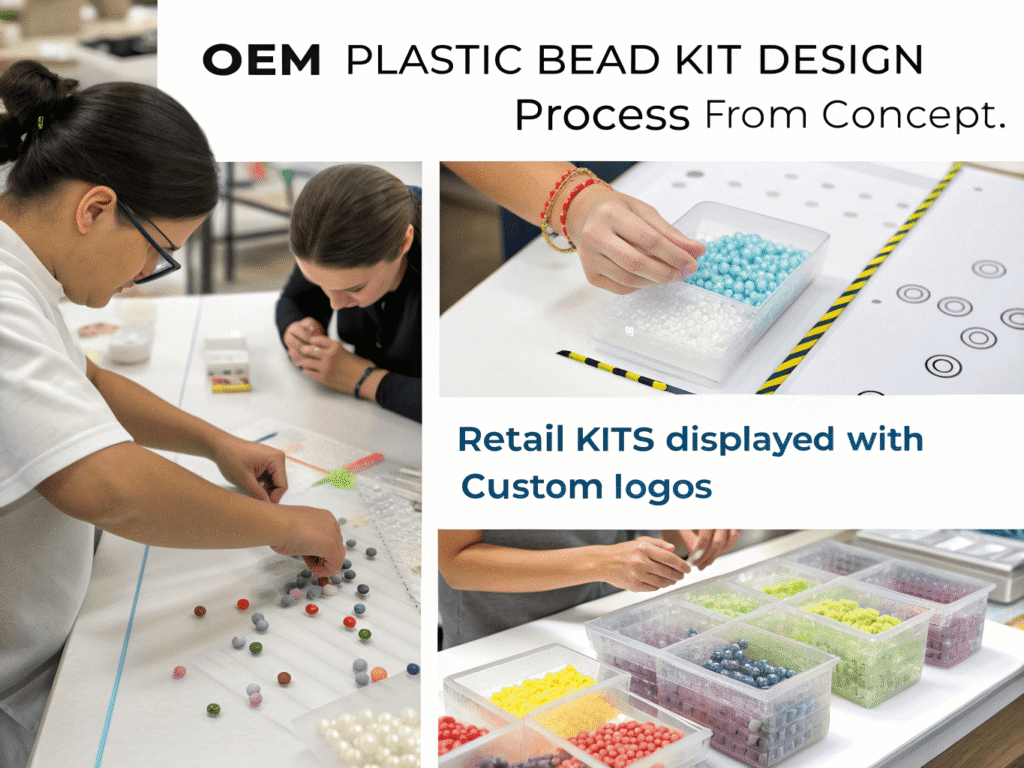
As a jewelry manufacturer based in China, I’ve helped many overseas buyers transform simple bead assortments into private label starter kits with strong branding and consumer appeal. Here’s how to effectively collaborate on your next OEM or ODM project.
1. Define Clear Design Parameters
Start by specifying:
- Bead types: round, faceted, pony, star, alphabet, etc.
- Target demographics: adult hobbyist, child crafter, or educational use.
- Intended packaging style: plastic box, resealable bag, or compartment tray.
Provide color references through Pantone or physical samples. This facilitates consistent resin pigmentation across production runs.
2. OEM/ODM Production Workflow
A standard OEM plastic bead kit project follows these steps:
- Concept & Design Development: Define shapes, finishes, kit purpose.
- Sampling (7–10 days): Receive physical bead samples for approval.
- Tooling & Mold Setup: Applicable for custom shapes or logo beads.
- Mass Production (15–30 days): Beads molded, polished, and packaged.
- QC Inspection: Pre-shipment check via AQL standards.
- Export & Shipping Logistics: Container loading and documentation.
3. Quality Control and Inspection Standards
Consistency across bead colors, sizing, and packaging is vital. In my factory, we implement AQL 2.5/4.0 for finished goods, including:
- Color uniformity
- Packaging integrity
- Bead hole size accuracy (±0.1 mm tolerance)
- Labeling verification
Pre-shipment inspection certificates help reassure international buyers of quality conformance before container loading.
4. Branding & Packaging Advantages
Strategically designed packaging enhances retail presence. Many importers benefit from offering tiered SKU assortments, such as:
- Small-size gift kits ($5–$10 retail)
- Comprehensive craft boxes with mixed colors ($20–$30 retail)
- Educational kits co-branded with schools or toy retailers
Packaging customization can be achieved through digital printing, molded trays, or branded labels—all readily available through integrated Chinese OEM systems.
Market Trends & Sustainability Outlook for Plastic Beads
Although the plastic bead market is mature, innovation and consumer awareness continue to shape its direction.
1. Eco-Conscious Materials
Many forward-thinking wholesale jewelry suppliers now offer biodegradable or recycled plastic beads, aligning with global sustainability initiatives. These eco-beads maintain the same color vibrancy while reducing carbon footprint.
2. Educational and Therapeutic Market Expansion
Plastic bead kits are increasingly being marketed to educational and therapeutic industries for dexterity training, sensory play, and STEAM learning programs. These sectors demand consistent safety certification and appealing packaging design, giving OEM suppliers new growth opportunities.
3. Digital Integration & E-commerce Sales
The ease of photographing plastic beads (due to their matte or glossy surface and weightless nature) has driven a surge in direct-to-consumer (DTC) and Amazon FBA starter kit models. B2B buyers can capitalize on this by developing ready-to-ship SKUs pre-labeled for major e-commerce platforms.
Conclusion: Maximizing Value Through Informed Sourcing
Plastic beads remain an unbeatable choice for starter kits due to their affordability, safety, and design flexibility. As a wholesale jewelry manufacturer or OEM kit supplier, you can achieve strong profit margins while offering entry-level creativity products with broad consumer appeal.
To recap:
- Opt for high-grade acrylic or ABS to ensure safety and durability.
- Conduct colorfastness and QC testing regularly to maintain brand credibility.
- Negotiate MOQ by consolidating SKUs, materials, and packaging.
- Partner with reliable Chinese OEM suppliers for faster turnaround and flexible customization.
Whether you’re expanding your craft supply line or launching a new educational brand, plastic bead starter kits offer scalability and profitability with minimal material risk.
Interested in developing your own private label bead kit collection?
Contact us to request samples, review catalog designs, or discuss OEM/ODM production options tailored to your target market.
