
As a jewelry manufacturer and custom jewelry supplier, I’ve seen how versatile and profitable jewelry bead kits can be—whether you’re a fashion jewelry wholesaler introducing a DIY product line, a private label brand developing personalized collections, or a boutique owner expanding your accessory range. Bead kits offer not only creative freedom but also a unique value proposition for B2B buyers looking to capture the booming market of self-expression and handmade fashion accessories.
Jewelry bead kits empower B2B buyers and retailers to produce multiple product types—bracelets, necklaces, earrings, and décor accessories—from one versatile sourcing solution. With proper bead selection, plating quality, and stringing materials, these kits can serve both DIY consumers and customized wholesale jewelry programs. For wholesalers, this means reduced MOQ pressure, faster product turnover, and scalable SKUs for trend-driven retail cycles.
In this guide, I’ll walk you through specific project types, design strategies, customization tips, supplier selection insights, and key material considerations. Whether you’re sourcing bead kits from a fashion jewelry wholesale manufacturer in China or assembling your own branded kits for e-commerce, understanding how to strategically plan your bead-based line can transform your sourcing and sales performance.
Designing Different Jewelry Projects Using a Bead Kit
As a manufacturer, I’ve worked with brand owners and distributors to create large-scale bead kits capable of producing varied accessories. Let’s take a look at how each project type fits different B2B purposes, from retail-ready designs to branded sets.
Bracelets
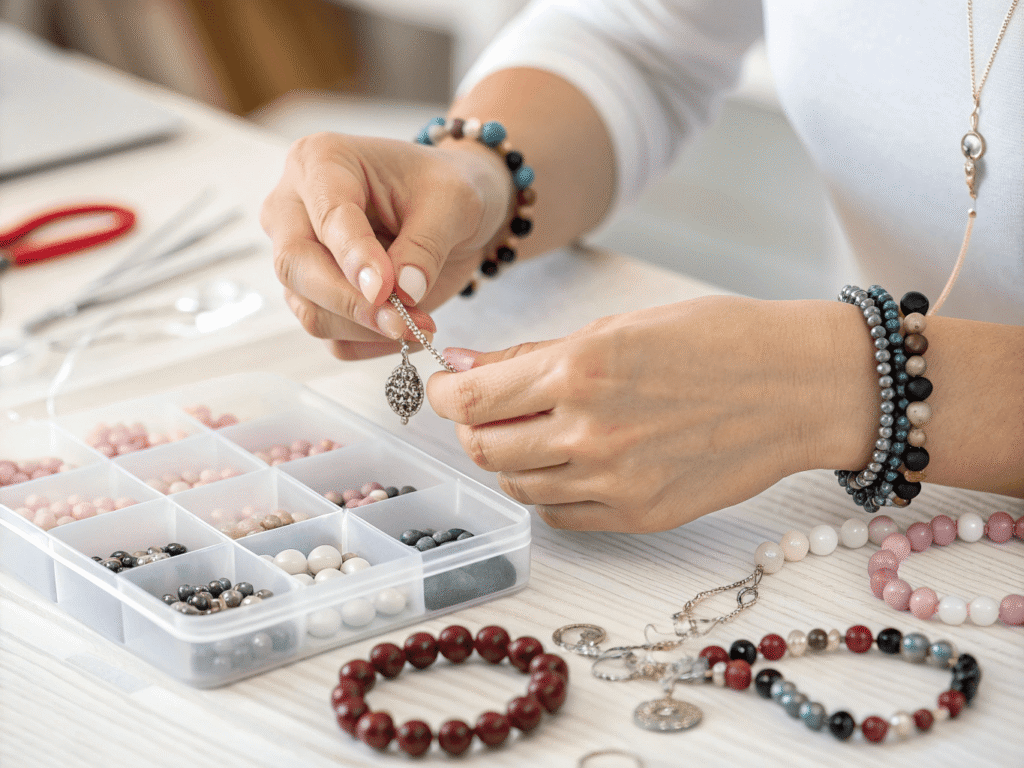
Bracelets remain the top-seller in most fashion jewelry categories. With bead kits, you can design a range of on-trend bracelet projects that meet diverse retail price points:
- Stretch Bracelets: Ideal for beginners. Use elastic cords and mix acrylic, glass, or natural stone beads.
- Beaded Charm Bracelets: Incorporate stainless steel or brass charms for a more premium edge.
- Layered Stackables: Combine multiple strand designs within one kit for a cohesive collection.
OEM/ODM Tip:
Wholesalers often request mixed-material bracelet kits, with half of the components being stainless steel or brass findings for better perceived value, and the remaining in low-cost acrylic or glass beads to balance cost per unit.
Material Mix Example Table
| Material Type | Typical Use | Market Segment |
|---|---|---|
| Glass Beads | Premium bracelet designs | Mid-range retail |
| Acrylic Beads | Colorful youth/fun sets | Fast fashion |
| Natural Stones | Premium boutique kits | High-end retail |
| Stainless Steel Charms | Branding, durability | Long-wear collections |
Necklaces and Pendants
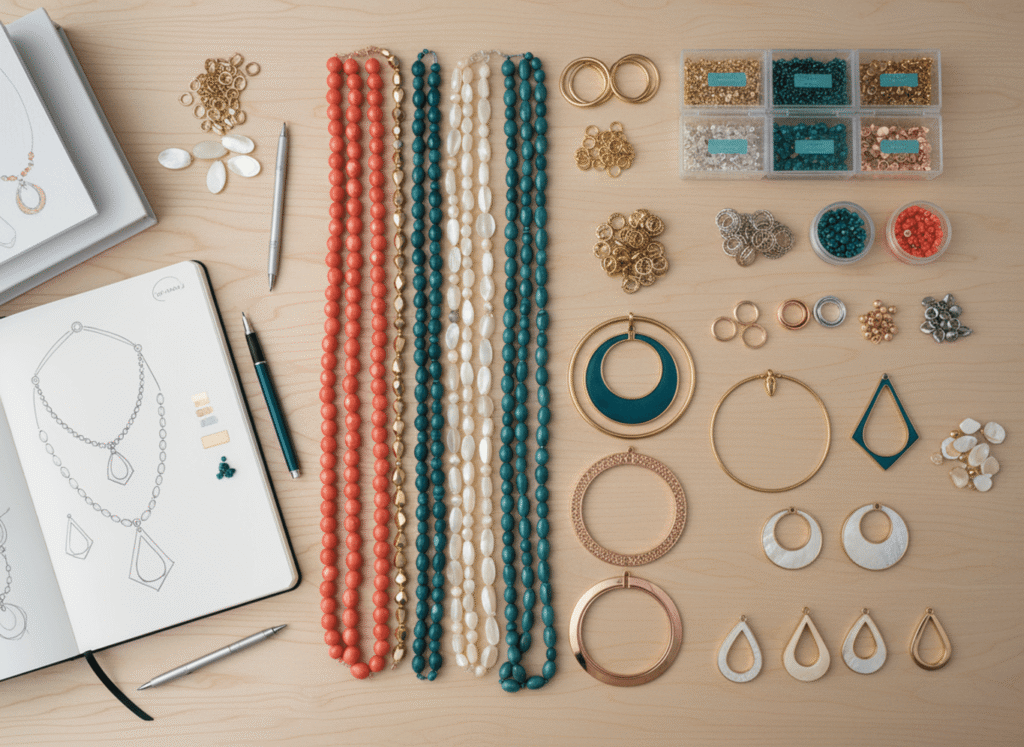
Bead kits can easily be customized to include chains, metal spacers, or pendant bases, transforming simple stringing projects into high-value necklace sets.
Design Ideas:
- Beaded chokers with adjustable chains
- Long strand necklaces with alternating bead sizes
- Pendant necklaces using wire-wrapped centerpiece beads
Sourcing Strategy:
When producing kits for boutiques, I recommend offering thematic color assortments—e.g., “Ocean Blue Tones” or “Boho Neutrals.” Each kit can yield 3–4 necklaces, allowing retailers to promote mix-and-match looks.
Earrings and Matching Sets
Many B2B clients overlook how profitable it is to bundle smaller projects. Earrings are cost-efficient additions that increase the perceived value of a bead kit.
Ideas for B2B Kit Configuration:
- Provide pre-made earring hooks and headpins for fast assembly
- Allow mix-match bead shapes (drops, rounds, faceted)
- Add plating options (rhodium, gold-tone, silver) for retail differentiation
Plating Quality Tip:
When working with a stainless steel jewelry manufacturer, make sure plating adheres to ISO 9227 standards, ensuring corrosion resistance, especially in sweat or humid climates.
Anklets, Chokers & Themed Collections
Boutique buyers often seek unique products beyond traditional bracelets and necklaces. Kits featuring flexible cord and adjustable findings can produce:
- Anklets for beach/summer lines
- Chokers for youth fashion
- Beaded body chains for unique retail appeal
OEM/ODM Note:
For private label production, I suggest structuring kits by theme or lifestyle (e.g., “Festival Edition,” “Minimalist Office Collection”). This type of curation enhances storytelling and branding potential on packaging.
Expanding Beyond Jewelry: Bead Kits for Accessories and Decor
The most innovative jewelry wholesalers are now extending bead applications into small accessory niches and value-added promotional products.
Keychains, Bag Charms & Trinkets
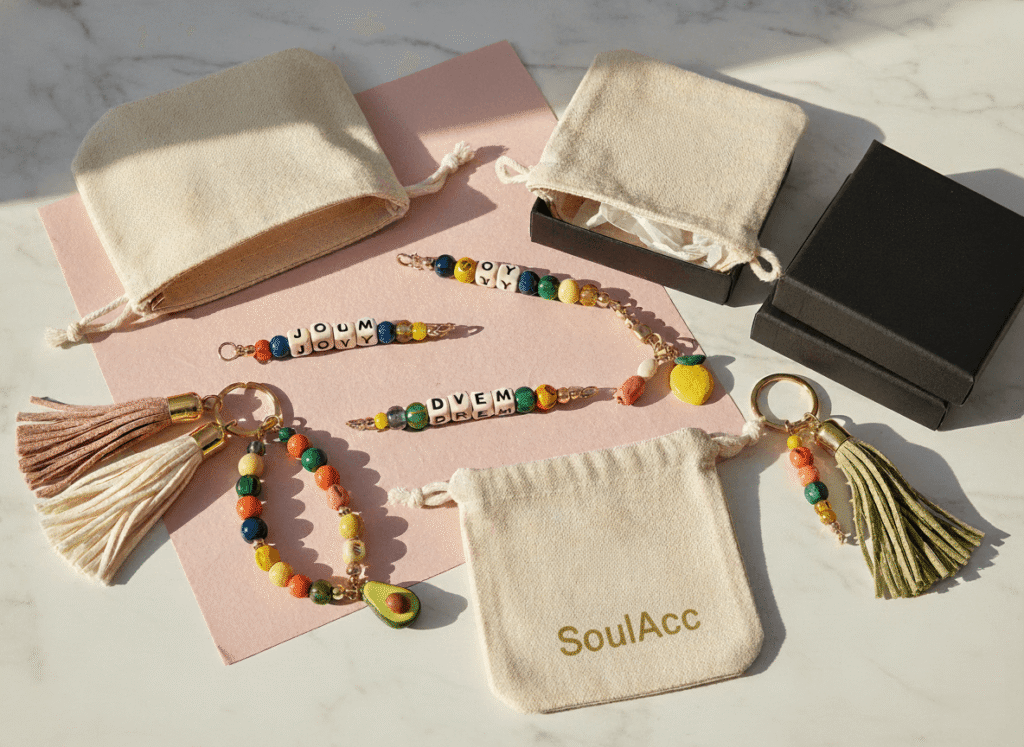
Beads can easily be adapted into trendy accessories:
- Keyrings for personal gifting
- Bag charms combining tassels and letter beads
- Custom zipper pulls co-branded with retail logos
Sourcing Recommendation:
Ask your custom jewelry supplier to package these smaller projects in branded pouches, which can double as gift sets for B2C upselling.
Home Decor and Lifestyle Products
Bead kits aren’t limited to wearable pieces. Many B2B brands now include home accent categories:
- Curtain tiebacks with large wooden or resin beads
- Candle ring decorations
- Beaded coasters and bookmarks
For decorative kits, ensure bead materials are heat-safe, fade-resistant, and compliant with CPSIA safety standards for consumer products.
Bead Craft Workshops and Retail Events
Jewelry bead kits make excellent workshop bundles for jewelry stores or concept studios. Retailers purchase in bulk, repackage in workshop sets, and use them to drive community engagement.
Event-based Uses:
- Corporate team-building craft sessions
- Pop-up bead design events
- Seasonal promotional bundles (“Build Your Valentine Bracelet”)
Such strategies not only boost retail margins but also enhance customer retention through personalized creativity.
Customization and Branding Opportunities for B2B Buyers
For wholesalers and brand owners, sourcing bead kits goes beyond selecting colors. It’s about creating a branded experience that aligns with your jewelry line or consumer segment.
OEM/ODM Bead Kit Production
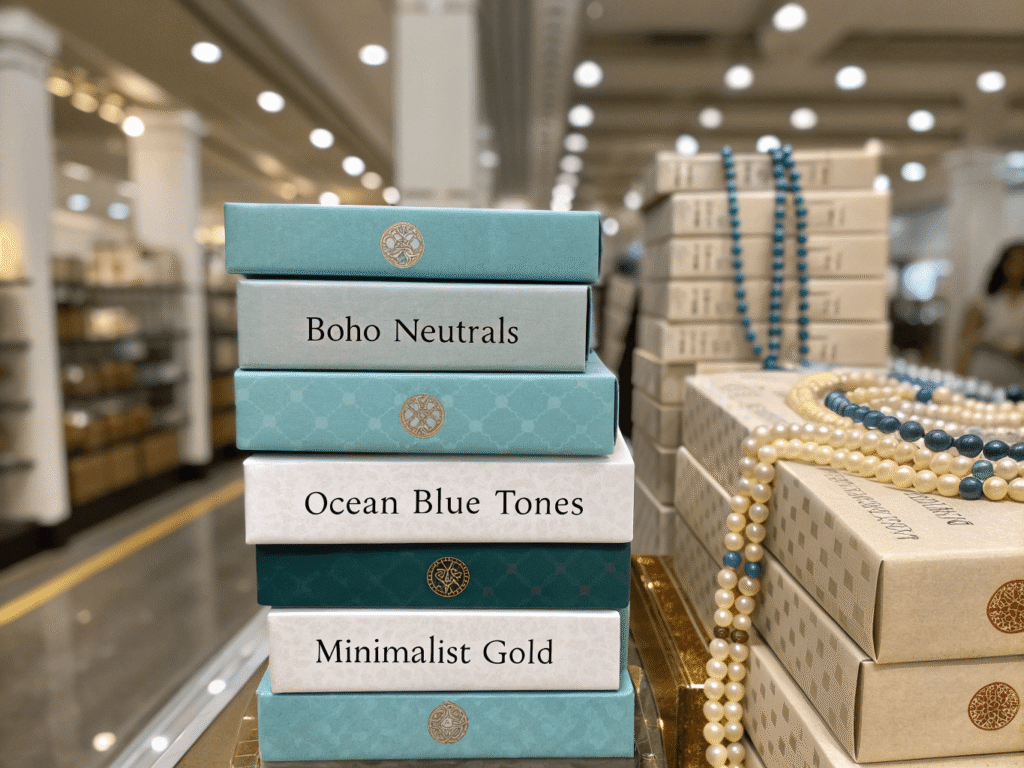
Partnering with an OEM/ODM jewelry manufacturer can elevate your product offering to a professionally branded level.
Common OEM Customization Options:
- Logo-engraved charms or tags for brand identity
- Custom packaging with instruction cards
- Color-coded bead assortments curated for trending style palettes
- Branded tool sets (pliers, tweezers, trays) included inside kits
Production Tip:
MOQ (Minimum Order Quantity) for branded bead kits typically starts at 300–600 sets per design, depending on packaging complexity and metal components.
Private Label & White Label Options
White-label bead kits enable distributors to enter new markets quickly. Manufacturers supply ready-to-sell kits, and buyers only need to add their logo and marketing materials.
Private Label Advantages:
- Faster lead time than full OEM development
- Ideal for online sellers testing multiple themes
- Lower tooling costs
Bulk Sourcing Considerations Table
| Order Volume | Packaging Type | Customization Level | Typical Lead Time |
|---|---|---|---|
| 300 sets | Basic polybag | Minimal | 15–20 days |
| 500–1000 sets | Custom box with insert | Moderate | 25–30 days |
| 2000+ sets | Fully branded kit | Full OEM | 40–45 days |
QC and Inspection Guidelines
Before dispatching bead kits to global buyers, quality control must be standardized.
QC Checklist for Bead Kit Export Orders:
- Bead size tolerance: ±0.3mm
- Plating adhesion test (48hr salt spray test)
- Color consistency across beads (Delta E < 1.0)
- Check elastic cords and wires for tensile strength
- Packaging check for labeling accuracy
Manufacturing partners should provide QC photos or third-party inspection reports before shipment. Consistent inspection criteria maintain brand trust and minimize post-sale issues.
How to Source Bead Kits for Wholesale or Retail Distribution
Selecting the Right Jewelry Supplier
When evaluating a fashion jewelry wholesale supplier in China or other sourcing markets, consider key differentiators:
- Proven experience with OEM jewelry production
- In-house plating facilities and designer teams
- Transparent MOQ and bulk pricing structure
- Material certificates (nickel-free, lead-free compliance)
- Production line efficiency for mixed bead assortments
Supplier Evaluation Table
| Criteria | Importance | Description |
|---|---|---|
| Material Quality | ★★★★★ | Choose non-toxic, skin-safe beads |
| Plating Process | ★★★★☆ | Look for vacuum plating or IP plating |
| Lead Time | ★★★★☆ | 25–40 days typical for bulk kits |
| Custom Support | ★★★★★ | OEM/ODM flexibility is crucial |
| MOQ Options | ★★★☆☆ | Smaller MOQs allow faster new launches |
Balancing Cost, Quality, and MOQ
Different materials influence the total production cost of a bead kit. Let’s look at typical sourcing scenarios:
| Bead Type | Cost per 1,000 pcs (USD) | Ideal for | Notes |
|---|---|---|---|
| Acrylic | $3–5 | Budget kits | Lightweight, colorful |
| Glass | $8–12 | Mid-tier retail | Glossy finish, premium perception |
| Resin | $6–9 | Kids/fun markets | Easy molding for shapes |
| Stainless Steel | $15–20 | Premium kits | Long-lasting, tarnish resistant |
Balancing a mix of high and low-cost materials can optimize cost efficiency. Work with your supplier to calculate cost per complete kit (with accessories and packaging) and expected profit margin per SKU.
Global Market Behavior & Trend Alignment
Based on global trade data and retail behavior over recent seasons:
- Boho-inspired beaded jewelry dominates summer collection trends.
- Minimalist layering bead jewelry attracts millennial and Gen Z buyers.
- Sustainable material sourcing (e.g., recycled glass beads) is increasing in demand.
- DIY and personalization kits remain strong sellers across US, UK, and EU gift categories.
To stay competitive, plan your bead kit catalog 3–6 months ahead of seasonal retail demands.
Material and Craftsmanship Insights
Stainless Steel vs Alloy vs Brass Components
When bead kits include metallic charms or findings (clasps, spacers, rings), the base metal choice affects quality and price.
| Material | Pros | Cons | Best Use |
|---|---|---|---|
| Stainless Steel | Anti-tarnish, hypoallergenic | Limited color tones | Long-life kits |
| Zinc Alloy | Wide design options | May oxidize | Budget/fashion sets |
| Brass | Excellent plating adhesion | Mid-cost | Premium collections |
Craftsmanship Insight:
Use IP (Ion Plating) or PVD (Physical Vapor Deposition) plating for long-lasting color that resists scratching—crucial for jewelry meant for daily wear.
Plating Techniques for Bead Accessories
When sourcing metal findings and accent parts, compare these plating methods:
| Plating Method | Durability | Appearance | Cost |
|---|---|---|---|
| Electroplating | Moderate | Shiny metallic | Low |
| IP Plating | High | Deep luster | Medium |
| PVD | Very High | Uniform tone | High |
I recommend IP plating for balance between appearance and durability in mass-market bead kits.
Structuring Your Bead Kit Catalog
To capture attention from different retail segments, build a catalog across price-tiered subcategories:
- Essentials Line: Entry-level kits ($5–$10 retail) — simple bead assortments for beginner crafters.
- Creative Studio Line: ($15–$25) — themed colors, added charms, and adjustable cords.
- Premium Maker Kits: ($30–$50) — full metal components, tools, and packaging for gifting.
Each product line should be modular—allowing retailers to reorder fast-moving colorways or reorder per region.
Packaging & Presentation as a Branding Tool
Well-designed packaging adds perceived value. Based on my experience, a premium presentation can increase retail price tolerance by 20–30%.
Recommended Packaging Options:
- Transparent bead boxes with printed guides
- Recyclable cardboard gift boxes
- Compartment trays for professional-style organization
Include QR codes leading to your online tutorials or catalog—this helps cross-sell coordinating items.
Conclusion
Jewelry bead kits are far more than a crafting hobby—they’re a dynamic category bridging creativity and commercial opportunity for wholesalers, retailers, and private label brands. By mastering the balance of materials, craftsmanship, and packaging, you can offer your buyers diverse project possibilities that appeal to modern consumers looking for both style and interactivity.
Key Takeaways for B2B Sourcing Professionals:
- Source from manufacturers offering strong OEM/ODM and plating capabilities.
- Focus on QC and material compliance to ensure long-term quality.
- Develop tiered catalogs to address various retail segments.
- Monitor trend evolution to anticipate the next season’s bead colors and styles.
If you’re interested in designing custom bead kits or need OEM jewelry manufacturing support, I invite you to request samples or explore our wholesale catalog. Together, we can create captivating jewelry-making experiences that delight both your brand and your customers worldwide.
