
Every teacher and parent knows the excitement of a school science fair — but sometimes the hardest part isn’t the idea, it’s finding safe, inspiring materials for young learners to work with. Craft kits have become a surprisingly powerful educational tool for science projects, blending artistic creativity with technical understanding. Yet many adults still wonder: are they really suitable for classroom use, and how do we choose the right ones?
Yes, children can safely and productively use craft kits for school science projects — provided the kits are age-appropriate, non-toxic, and encourage scientific thinking rather than mere decoration. Choosing the right kit means balancing creativity, safety, and educational value, while ensuring the project meets curriculum goals and classroom standards.
School science projects are meant to nurture curiosity — not just compliance. When selected carefully, craft kits transform traditional experiments into hands-on learning experiences that empower kids to visualize abstract scientific ideas. From simple chemical reactions to model ecosystems, these kits can become a cornerstone of modern STEM learning in classrooms and at home.
Selecting Safe and Creative DIY Craft Kits for School-Age Children
Selecting the right craft kit begins with balancing creativity and safety. School settings require kits that spark imagination but also comply with child-safe material standards.
Key Safety Considerations
| Criteria | Description | Why It Matters |
|---|---|---|
| Non-toxic materials | Look for certified products labeled EN71, ASTM D-4236, or CE-compliant. | Ensures glue, paint, clay, and other materials are safe for school environments. |
| Age recommendation | Check manufacturer age ratings. Avoid small parts for younger children. | Prevents choking hazards and ensures appropriate skill level. |
| Reusable components | Choose kits with durable plastic or wooden parts. | Reduces waste and supports sustainable classroom learning. |
| Instruction clarity | Kits should include multilingual or pictorial guides. | Simplifies use and encourages independent learning among children. |
Tips for Educators and Parents
- Avoid kits containing sharp tools or chemicals without supervision.
- Encourage students to personalize their designs rather than copy templates.
- Choose themes that align with science curriculum goals — such as energy, anatomy, or environmental science.
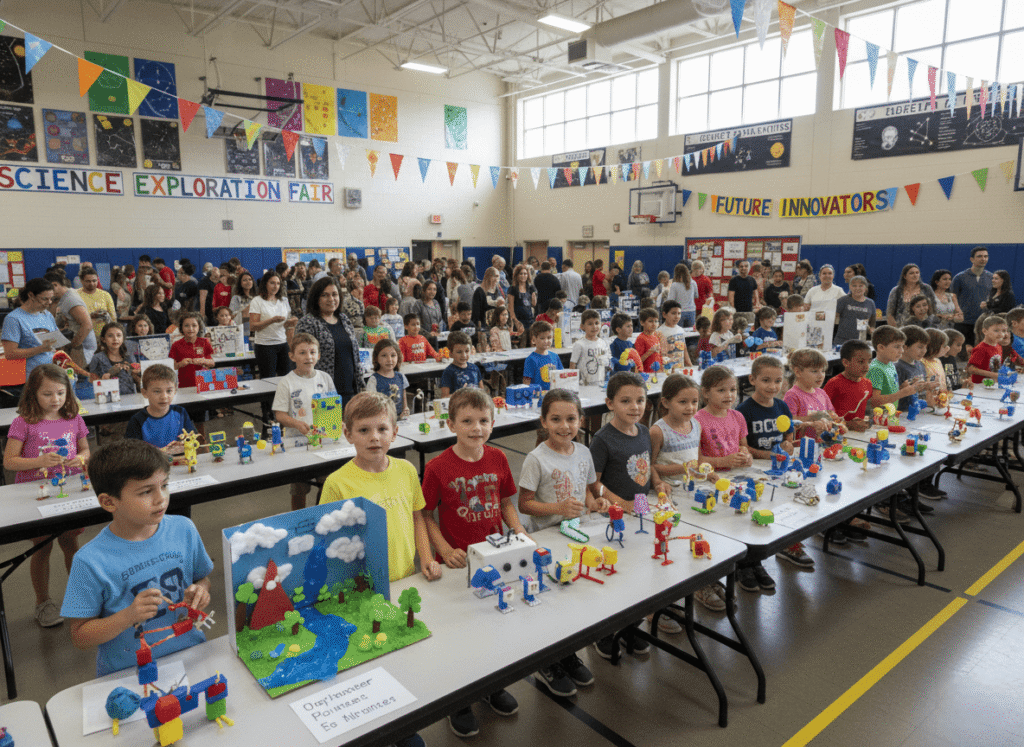
Choosing Materials: What to Check for Non-Toxic and Classroom-Friendly Components
Understanding the materials inside a craft kit is essential when evaluating safety and educational suitability.
Common Materials Found in Science and Craft Kits
| Material Type | Example Use | Classroom Safety Rating |
|---|---|---|
| Paper & Cardboard | Building dioramas, planetary models | ✅ Excellent |
| Air-dry Clay | Modeling anatomy or fossils | ✅ Excellent |
| Plastic Components | Robotic or circuit kits | ⚠️ Ensure BPA-free |
| Paints & Glues | Decoration and assembly | ⚠️ Must be non-toxic and washable |
| Metal Wires / LED Modules | Electricity, circuits | ⚠️ Requires teacher supervision |
How to Verify Safety
- Look for eco-friendly or “green toy” certifications on packaging.
- Request Safety Data Sheets (SDS) from OEM or wholesale suppliers.
- Ask for evidence of compliance with local school standards, especially for large class orders.
- Prefer water-based paints, silicon-safe clays, and low-voltage electronics.
Sourcing Educational Craft Kits from Chinese Manufacturers
Craft kit manufacturing in China is a well-established sector, offering extensive customization options for both retailers and educational distributors. As someone who’s collaborated with several OEM partners, I recommend evaluating suppliers by their material transparency, export experience, and compliance documentation.
Practical Sourcing Steps
- Identify Verified Suppliers — Use platforms like Alibaba, Made-in-China, or Global Sources.
- Check Certifications — Ensure suppliers can provide EN71 and ASTM compliance reports.
- Request Samples — Test product quality before committing to bulk orders.
- Ask About Custom Design Capability — Many factories can modify materials, packaging, and instructions for your educational objectives.
- Inspect Factory Credentials — Confirm on-site video inspection or third-party audits.
Example Categories from Chinese OEM Craft Kit Suppliers
| Category | Ideal Age | Customizable Features |
|---|---|---|
| Science experiment kits | 6–12 years | Components, instruction booklets |
| Nature & ecology models | 5–10 years | Materials, theme artwork |
| Engineering kits | 8–14 years | Circuit type, LED colors |
| Art-meets-science kits | 4–9 years | Packaging style, branding print |
Working directly with manufacturers also makes it easier to define curriculum-integrated kits, for example “Water Cycle Creation Kits” or “Renewable Energy Starter Sets,” designed for bulk classroom use.
Requesting OEM or Custom Packaging for School Projects
For brand owners or school distributors, OEM customization represents the next level of professional collaboration.
Why OEM Packaging Matters
- Educational Identity — Schools and brands can include lesson plans, QR codes, or themed instructions.
- Safety Assurance — Custom labeling allows the addition of age warnings and certification marks.
- Marketing Advantage — Unique packaging reinforces your brand’s educational commitment.
Steps to Customize Craft Kit Packaging
- Define Target Age Range — Guides color schemes and safety icons.
- Work with OEM Designers — Include brand logo, curriculum themes, safety badges.
- Include Instruction Inserts — Step-by-step guides with visuals or QR tutorials.
- Set Quantity Benchmark — Most suppliers require a minimum of 500–1000 pieces for OEM runs.
- Approve Test Samples — Review final prints and ensure artworks comply with classroom safety imagery.

Conclusion
Children can absolutely use craft kits for school science projects — when chosen wisely, they merge artistic creativity with scientific discovery. Safe, non-toxic materials enable tactile and visual learning while encouraging collaboration and experimentation. For wholesale buyers and educational distributors, sourcing directly from verified Chinese manufacturers ensures quality consistency and provides opportunities for OEM customization, tailored to classroom and curriculum needs.
Whether you’re a teacher planning next semester’s science fair or a brand designing an educational product line, understanding how to choose, verify, and customize craft kits will transform your educational offering.
Investing in safe, creative kits isn’t just an academic choice — it’s a step toward inspiring the next generation of scientists and innovators.
