
Integrating craft kits into modern classroom environments is becoming increasingly essential for educators aiming to combine creativity with core academic learning. For teachers, craft kits serve as efficient, pre-organized tools that inspire tactile engagement, aid in concept retention, and provide meaningful cross-curricular connections. Whether it’s a science teacher designing experiments through model kits or an art instructor encouraging material exploration, educational craft kits offer structured yet flexible learning pathways that foster student curiosity and problem-solving.
Teachers integrate craft kits into learning plans by aligning them with curriculum goals, reinforcing key concepts in subjects such as science, art, and history, and promoting interdisciplinary, hands-on learning. Effective planning, clear learning objectives, differentiated strategies, and strong assessment frameworks ensure that these creative kits enhance both academic comprehension and essential soft skills like teamwork and critical thinking.
From a strategic educational perspective, using craft kits goes beyond arts and crafts—it’s a pedagogical approach that encourages experimentation, personal expression, and intellectual development. Teachers leverage these interactive resources to strengthen fine motor skills, improve spatial reasoning, and encourage authentic collaboration. Integrating craft kits into classrooms also prompts educators to rethink supply planning, student assessment, and project-based learning workflow—ultimately cultivating adaptable, higher-order thinkers ready to apply classroom theories to real-world contexts.
How Can I Choose the Right DIY Craft Kits for Classroom Projects?
Choosing the right DIY craft kits for classroom use involves strategic planning, balancing creativity with educational merit, and aligning materials with developmental goals. Teachers often approach this selection process with a curator’s mindset—evaluating potential outcomes, lesson alignment, safety, sustainability, and logistical feasibility.
Aligning Craft Kits With Learning Outcomes
When I select a classroom craft kit, I first ask: What do I want students to learn from this activity? The answer informs everything that follows—from materials to complexity level.
- For early learners: Kits focusing on textures, colors, and simple assembly help improve fine motor development and pattern recognition.
- For older students: Multi-step projects such as jewelry-making, model architecture, or electronics-based kits build problem-solving, sequencing, and design-thinking skills.
A well-chosen kit should lend itself naturally to behavioral or academic objectives. For instance, creating bead patterns can subtly reinforce mathematical symmetry, while assembling eco-friendly fashion jewelry can spark meaningful discussions about sustainability and global trade.
Evaluating Kit Components for Classroom Effectiveness
Practical teaching experience reveals that a successful classroom craft kit includes:
- Durable materials: Reusable or biodegradable items reduce waste and recurring expenses.
- Clear visual instructions: Diagrams make lessons smoother for visual learners.
- Adaptability: Projects that accommodate various age ranges or skill levels are more cost-effective.
- Integration potential: The best craft kits easily connect with multiple teaching units—e.g., social studies, math, and art—making lesson design more flexible.

Cost and Project Comparison Table
| Kit Type | Core Skills Targeted | Ideal Student Age | Lesson Integration Example | Project Duration | Reusability |
|---|---|---|---|---|---|
| Paper Mache Ecosystems | Science, fine motor skills | 7–10 | Life cycles/Environmental studies | 1–2 hours | Partial |
| Beaded Jewelry Design Kit | Math, pattern recognition | 9–13 | Geometry/Art link | 1 hour | High |
| Magnetic Building Sets | Engineering, logic | 8–14 | STEAM construction challenge | 2 hours | High |
| Recycled Art Collage Kit | Environmental awareness, art | 6–12 | Sustainability education | 1 hour | Moderate |
How Do I Align Creative Jewelry-Making Kits With My Teaching Objectives?
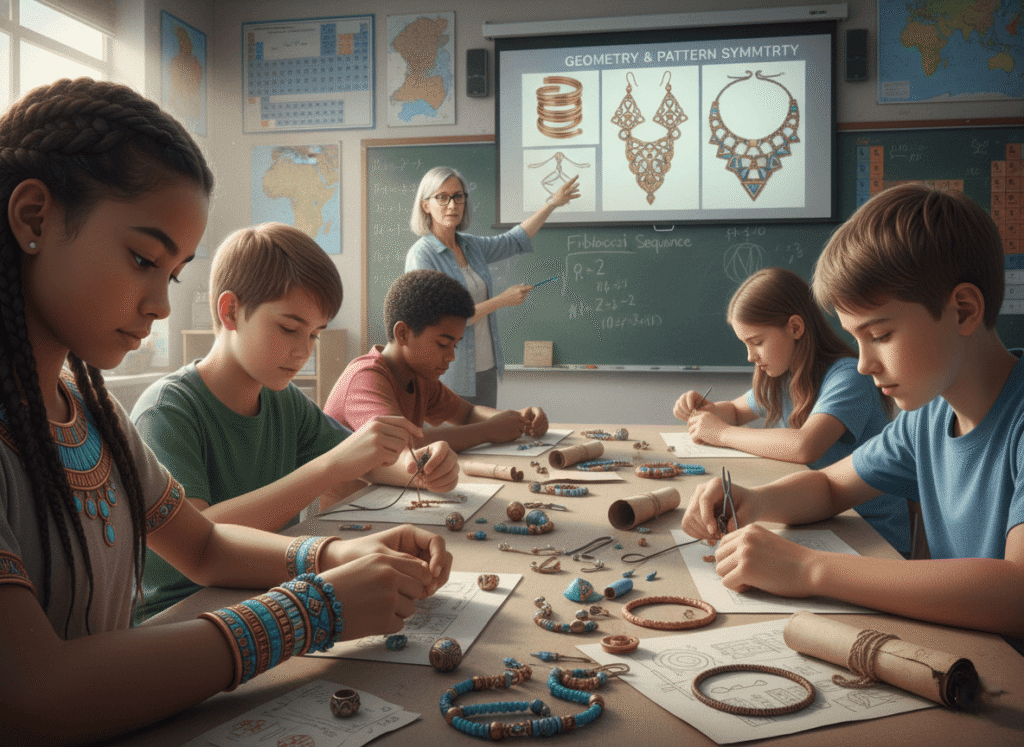
Crafting with jewelry kits offers rich pedagogical opportunities beyond decorative outcomes. Jewelry-making strengthens hand-eye coordination and introduces basic design theory, while also serving as a gateway to social, historical, and mathematical learning. Aligning jewelry-related projects with teaching objectives transforms creative play into intentional education.
Linking Jewelry-Making to Curriculum Themes
Every jewelry project can be contextualized academically:
- History Classes: Crafting “ancient” bracelets inspired by Egyptian or Roman motifs helps students analyze cultural aesthetics and trade practices.
- Mathematics: Pattern formation, bead grouping, and symmetry provide engaging ways to explore fractions, ratios, and geometry.
- Science: Incorporating discussions about metal properties, plating, and magnetism connects directly to materials science topics.
- Art and Design: Students explore visual balance, color theory, and texture composition, reinforcing creative decision-making.
Developing STEAM Connections
Integrating jewelry-making into a STEAM framework allows students to experience innovation first-hand. Teachers can introduce lessons on:
- The conductivity of metals
- The chemical process of plating
- The sustainability of substitute materials
- Computer-aided design (CAD) modeling for pattern visualization
Incorporating Reflection and Student Ownership
Encourage self-assessment by prompting students to document:
- The problem-solving steps during assembly
- How they chose color or material combinations
- The message or emotion their jewelry represents
Reflection transforms the process from craft to creative inquiry, aligning perfectly with inquiry-based learning models supported by modern educational standards.
What Should I Prepare Before Using Craft Kits in a Group Activity or Class?
Preparation transforms a craft session from chaotic to seamless. As an educator—or as a supplier advising schools—it’s essential to consider logistics, safety, and lesson sequencing well in advance.
Classroom Setup and Supply Chain Efficiency
Having managed educational workshops, I can attest that organization determines success. Teachers should:
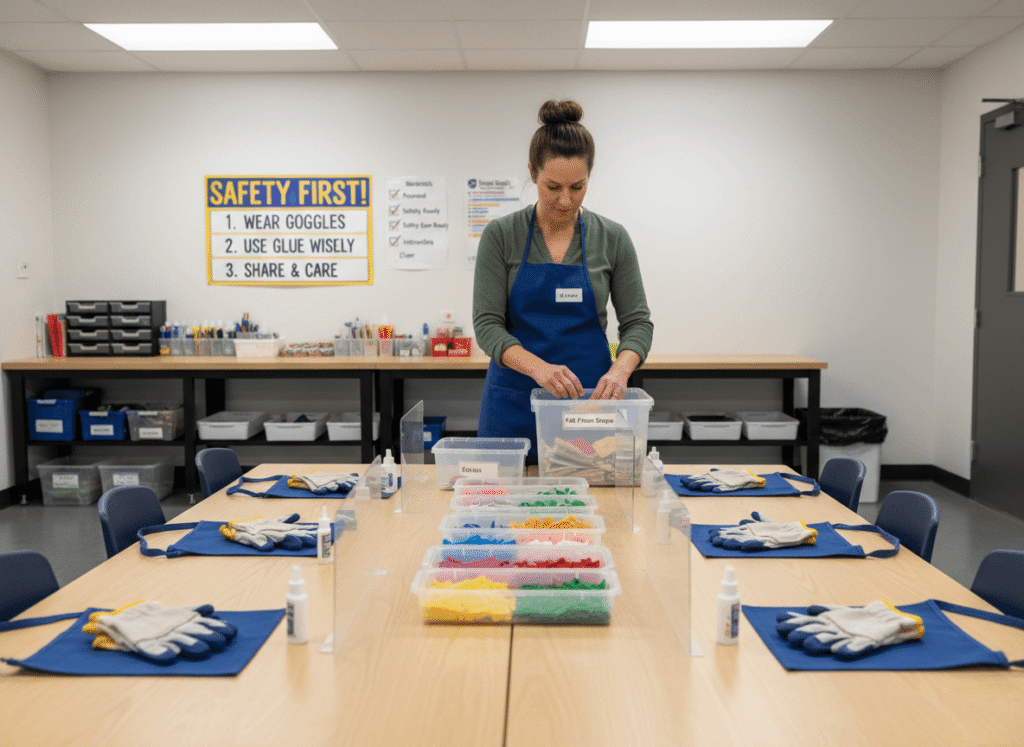
- Pre-sort kits into labeled boxes or trays.
- Create a visual instruction board at workstations.
- Conduct a mock session to estimate timing, anticipate student challenges, and prepare backup plans.
Efficient supply chain planning also matters. When sourcing in bulk for schools, teachers or procurement officers often evaluate:
- MOQ (Minimum Order Quantity): Choosing suppliers with flexible MOQ policies reduces waste.
- Shipping timelines and customs compliance: Crucial for imported educational materials.
- Replacement policies: A reliable B2B supplier should guarantee delivery consistency and damage-free parts.
Safety and Classroom Readiness
Before introducing new kits:
- Run a teacher trial session to understand assembly steps.
- Ensure non-toxic certifications for glues, paints, and dyes.
- Align safety instructions with student reading levels and display them visibly.
- Maintain safety equipment such as gloves, aprons, or goggles.
Differentiation and Support Strategies
Students vary widely in dexterity, confidence, and cognitive readiness. Prepare differentiated learning options:
- Tiered task cards: Beginner to advanced difficulty levels.
- Role assignments: Leader, material manager, quality checker.
- Peer mentoring pairs: Advanced students guide beginners to reduce teacher dependency.
This structured preparation ensures that collaboration and creativity unfold efficiently during the lesson.
How Can I Ensure the Craft Kits I Import Meet Safety and Quality Standards for Students?
Quality and compliance are non-negotiable when it comes to craft materials used by children. As someone experienced in B2B craft sourcing, I always advise schools and buyers to evaluate vendors using transparent quality management and safety certification systems.
Quality Control and Safety Verification Steps
| Evaluation Criteria | Description | Documentation Required |
|---|---|---|
| Material Safety | Non-toxicity, absence of heavy metals or allergens | ASTM D-4236, EN71, CPSIA |
| Manufacturing Transparency | Child-safe production processes, clean working environments | Factory audit report |
| Durability and Usability | Kits should withstand repeated handling or display without deformation | Product test report |
| Custom Packaging | Clear labeling for age appropriateness and choking hazard warnings | Supplier’s compliance forms |
| Batch Consistency | Uniform material quality in bulk shipments | Pre-shipment inspection |
Teachers sourcing internationally should request third-party test reports from suppliers. Common inspection agencies such as SGS or Intertek conduct these examinations under globally recognized standards.
Collaborating With Reputable OEM/ODM Manufacturers
Many schools and education retailers partner with OEM/ODM craft manufacturers for customized education kits. This approach ensures that:
- Content aligns with specific curriculum modules.
- Branding (e.g., school logos) can be incorporated.
- Kits can be adjusted for age-appropriate complexity and environmental safety.
An experienced OEM supplier also provides digital product guides, teacher manuals, and video tutorials—essential assets for simplifying classroom deployment.
Packaging, Labeling, and Import Compliance
For any educational environment:
- Always confirm CPSIA, REACH, or CE certification compliance.
- Verify batch tracking numbers for accountability.
- Insist on child-proof components and minimal choking hazards.
Strict vendor evaluation and transparent production oversight safeguard both educators and students, ensuring that creative learning remains both safe and enriching.
Integrating Craft Kits Into Broader Pedagogical Strategy
Linking Creativity With Core Academics
Craft kits shouldn’t just be extracurricular—they belong inside the curriculum grid. Whether designing geometric jewelry in math class or sculpting models in a science lab, these tactile experiences advance comprehension and retention of complex ideas.
Encouraging Sustainable and Ethical Learning
Educators increasingly value sustainability. Choosing recyclable materials or kits from socially responsible suppliers teaches environmental awareness and global responsibility. These activities also build eco-literacy and reinforce lessons about responsible consumption.
Bridging Physical and Digital Learning
Teachers may extend a craft kit project into the digital realm:
- Photographing finished creations for digital portfolios.
- Presenting design rationales in slideshows or e-learning environments.
- Using augmented reality or QR-coded guides to explain assembly steps interactively.
This seamless combination of physical craftsmanship and digital storytelling reflects the blended learning movement shaping modern education.
Conclusion
Integrating craft kits into classroom learning transforms abstract lessons into tangible experiences that nurture creativity, critical thinking, and real-world connection. Teachers can maximize impact by:
- Choosing kits aligned with educational outcomes and student abilities.
- Preparing ahead through structured material organization and differentiated strategies.
- Ensuring safety by working with certified, transparent suppliers.
- Encouraging reflection through student documentation and cross-disciplinary application.
Thoughtfully designed craft kit programs don’t just decorate classroom shelves—they inspire young innovators. Whether you’re a teacher sourcing ready-made kits or a school administrator planning bulk imports, always prioritize educational relevance, craftsmanship quality, and sustainable design.
Ready to energize your lesson plans? Explore educational craft kit catalogs, request certified samples, and collaborate with specialized suppliers who understand both classroom needs and compliance standards.
