Selecting the right children’s craft kits for your retail store or brand lineup can be surprisingly challenging — not because of quality, but because of how these kits are marketed. For decades, craft kits were divided along gender lines: pastel jewelry sets for girls, mechanical building kits for boys. Today, both retailers and manufacturers are rethinking this approach to create a more inclusive experience for every child.
Yes, many modern craft kits are now intentionally designed to be gender-neutral, focusing on creativity, learning, and imagination instead of gender stereotypes. Still, not all brands have fully transitioned, which means buyers and importers must pay close attention to design, color, packaging, and messaging when sourcing or customizing products.
Whether you’re a toy retailer, educator, or sourcing manager working with Chinese suppliers, understanding how to identify and develop gender-neutral children’s craft kits is essential to keeping your product mix relevant, compliant, and appealing to today’s family-oriented market.
1. Understanding Gender Bias in Children’s Craft Kits
Why traditional craft kits are rarely neutral
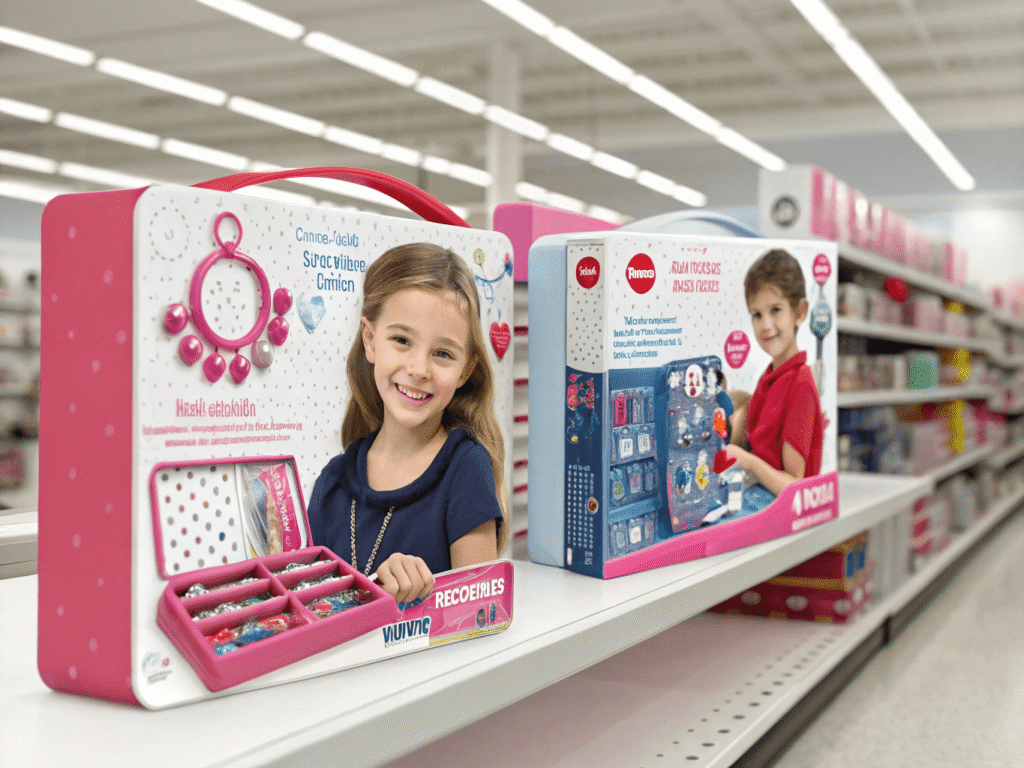
Historically, craft kits reflected clear gender divides: “make-your-own-jewelry” kits for girls and “model-building” or “woodworking” kits for boys. This type of marketing often used visual signals — pink or pastel packaging for girls, darker primary colors for boys — which subconsciously influenced purchasing behavior.
How this affects retail and manufacturing
Gendered product categorization limited buyer choices and narrowed the market potential for creative kits. When your buyers associate certain items with only one gender, it reduces cross-selling opportunities. Modern parents, however, increasingly seek balanced play experiences that emphasize creativity and education over gender identity.
Example of typical gender bias signals
| Feature | Feminine-coded kits | Masculine-coded kits |
|---|---|---|
| Common color themes | Pink, lavender, pastel | Navy, red, black |
| Typical activity | Jewelry, paper art, decorating | Building, robotics, painting |
| Packaging images | Girls featured on front | Boys shown in action poses |
| Marketing focus | Aesthetic and style | Logic and construction |
2. Choosing Gender-Neutral Craft Kits for Retail or Wholesale
Key indicators of neutral design
When selecting wholesale craft kits for your store, look for:
- Color diversity — uses multi-hue or natural tones rather than gender-coded palettes.
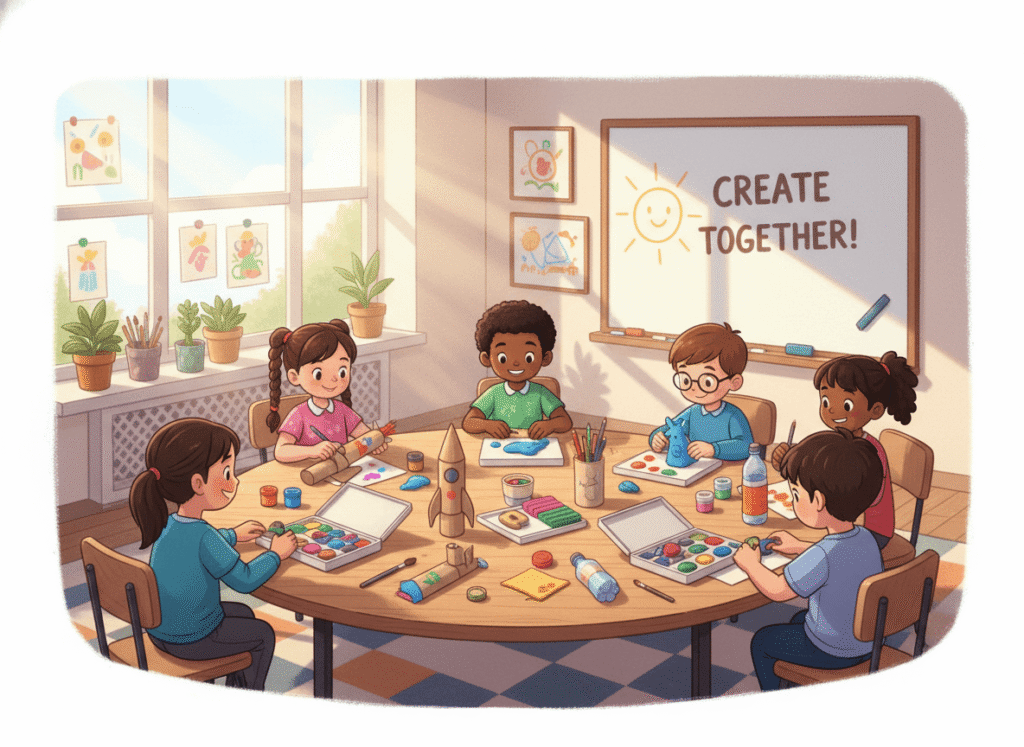
- Inclusive imagery — packaging shows children of various genders working together.
- Universal themes — focuses on creativity (painting, clay, textile crafts) rather than fashion or mechanics alone.
- Educational balance — integrates STEAM-learning elements without assuming gender interest.
Evaluating product presentation
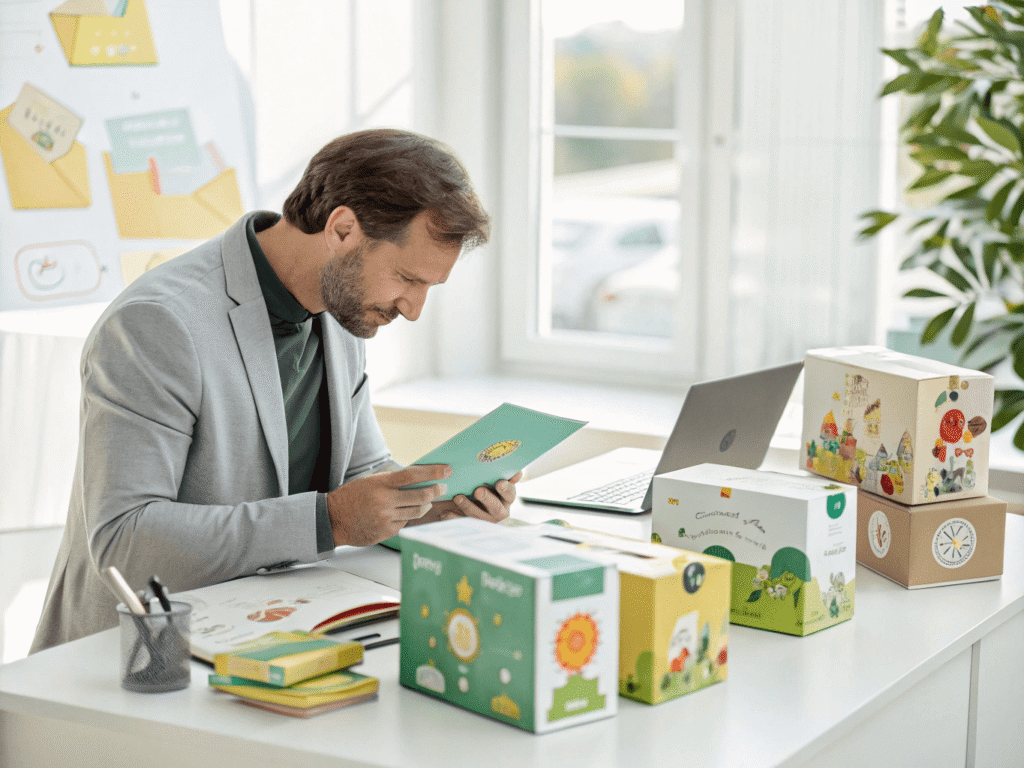
If you’re sourcing from suppliers in China, review packaging design samples before confirming bulk orders. Neutral packaging adds significant value for Western markets where buyers care about inclusivity. Ask your factory for mock-up designs that minimize gender cues.
Practical checklist for buyers
- Review existing packaging color schemes.
- Verify product naming—avoid “for boys/girls” descriptors.
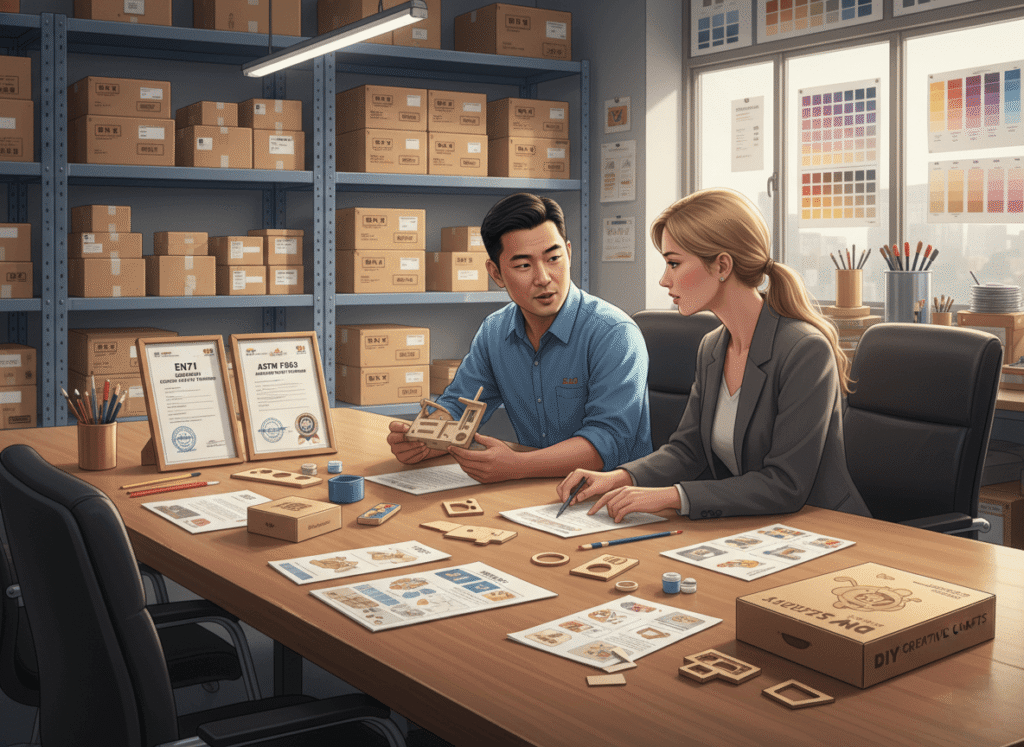
- Request supplier compliance with global toy safety standards (EN71, ASTM F963).
- Test market samples with mixed-gender groups before finalizing SKU selection.
3. Sourcing Safe and Inclusive Craft Kits from China
Safety and regulatory requirements
Compliance remains the cornerstone of children’s product sourcing. Always confirm that imported craft kits meet:
- EN71 standards for Europe
- ASTM F963 standards for the U.S.
- REACH regulations for materials used in paints and glues
Safety testing documents, small parts analysis, and warning labels must be ready before shipment. Gender-neutral design means little if the product fails compliance review.
How OEM manufacturers customize craft kits
When partnering with OEMs like SoulAcc, customization can include:
- Neutral packaging design and branding
- Alternative material selections (eco-friendly, hypoallergenic)
- Age-appropriate difficulty scaling
- Multi-theme creativity sets for school programs or gift retailers
SoulAcc, for instance, offers bespoke design services that allow distributors to tailor craft kit contents—such as painting tools, DIY building pieces, and fabric materials—toward educational or gender-inclusive branding.
Common sourcing mistakes to avoid
- Focusing solely on aesthetics instead of compliance
- Ignoring cultural differences in design symbolism
- Overlooking child usability (fine motor skill level, material safety)
4. Market Trends and the Rise of Gender-Neutral Play
Shifting consumer dynamics
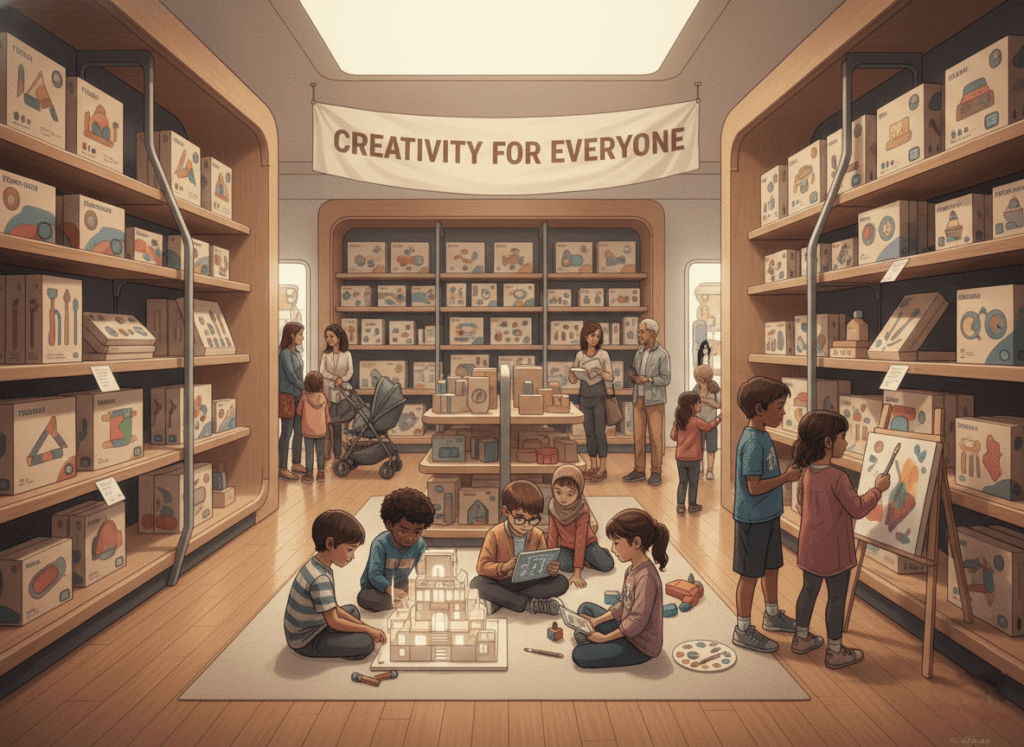
Parents today prioritize mental development over tradition. Industry data shows consistent growth in “STEAM + creative play” product lines — areas that naturally lend themselves to gender-neutral marketing. This includes art kits, plant-based sculpting sets, eco DIY projects, and model-building collections for children aged 5–12.
Branding and social responsibility
Retailers that highlight inclusivity and equal opportunity in their product mix often perform better in brand reputation metrics. By removing gender labels from packaging and advertising, companies show commitment to equitable childhood development.
| Trend | Description | Market Impact |
|---|---|---|
| Inclusive packaging | Neutral color, mixed-gender visual | Broader appeal, higher shelf rotation |
| Educational focus | STEAM-based creativity | Premium positioning potential |
| Sustainable materials | Plant-based, plastic-free | Aligns with eco-conscious parents |
| Collaborative play | Multi-user kits | Boosts repeat purchase through shared use |
Future outlook
Industry forecasts suggest gender-neutral kits will become the new standard by 2026, particularly within educational retailers and craft-focused e-commerce stores. Manufacturers who adapt now secure early advantage across Western and Southeast Asian markets.
Conclusion
Gender bias in children’s craft kits is gradually fading, replaced by a new generation of inclusive, creativity-driven products. For wholesalers, brand owners, and OEM buyers, the key lies in balancing design neutrality, regulatory safety, and educational value.
If you’re sourcing or developing children’s craft kits, partnering with an experienced manufacturer like SoulAcc allows you to incorporate neutral themes, compliant materials, and brand-specific customization—ensuring your products resonate with educators, parents, and modern retail standards alike.
A gender-neutral approach isn’t just ethical—it’s commercially smart.
