
When I first started exploring craft kits for my kids, I realized how overwhelming the options could be. From jewelry and sewing sets to science experiments and edible projects, the choices seemed endless. I wanted something that would genuinely nurture creativity—not just keep them busy for an hour. And after testing dozens of kits over time, I’ve discovered that the right one can spark lifelong curiosity and skill development.
The best craft kits for kids balance creativity, safety, and skill-building opportunities. In this beginner-friendly guide, I’ll show you how to select the right DIY craft kit for your child’s age and interests, what materials to expect, how to confirm safety standards, and how to customize kits if you’re buying for schools or retail stores.
Today, children’s craft kits go far beyond coloring books. Many now teach real-world skills in design, engineering, and even culinary creativity. In the sections below, I’ll share what I’ve learned from hands-on experience choosing kits for different age groups and explain how you can make confident, safe purchases for home or educational use.
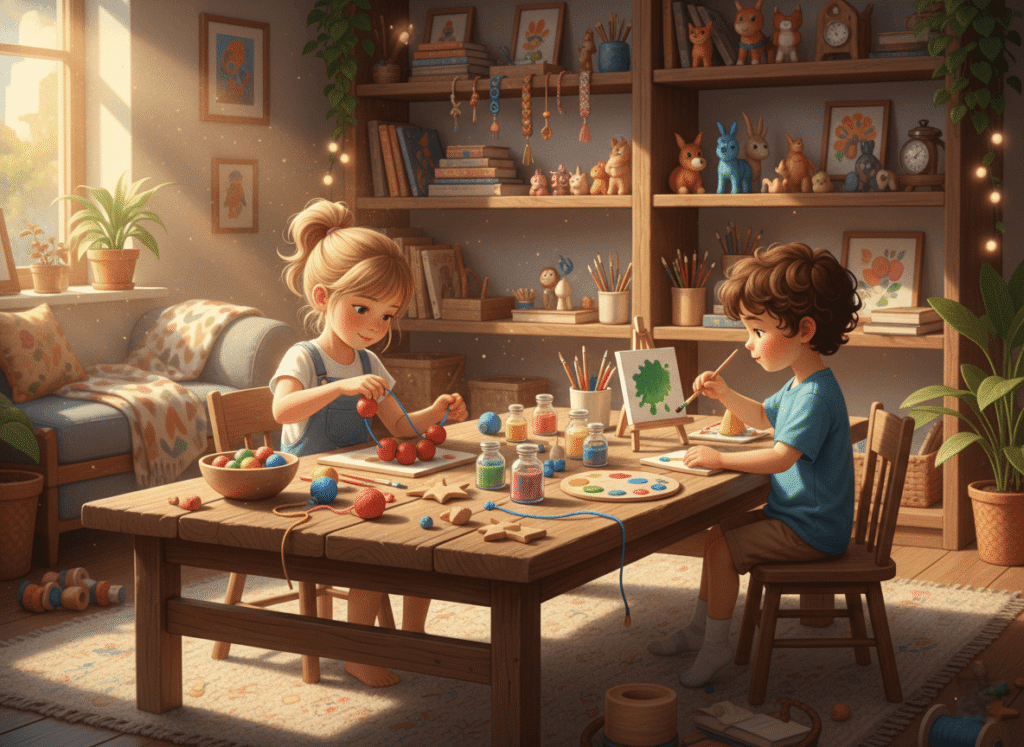
How can I choose the right DIY craft kit for my child’s age and skill level?
When I first started buying craft kits, I underestimated how much age and skill level dictate success. A kit that’s too advanced frustrates young children, while overly simple activities bore older ones. So here’s how I now make smarter choices:
Understand Age Categories and Cognitive Skills
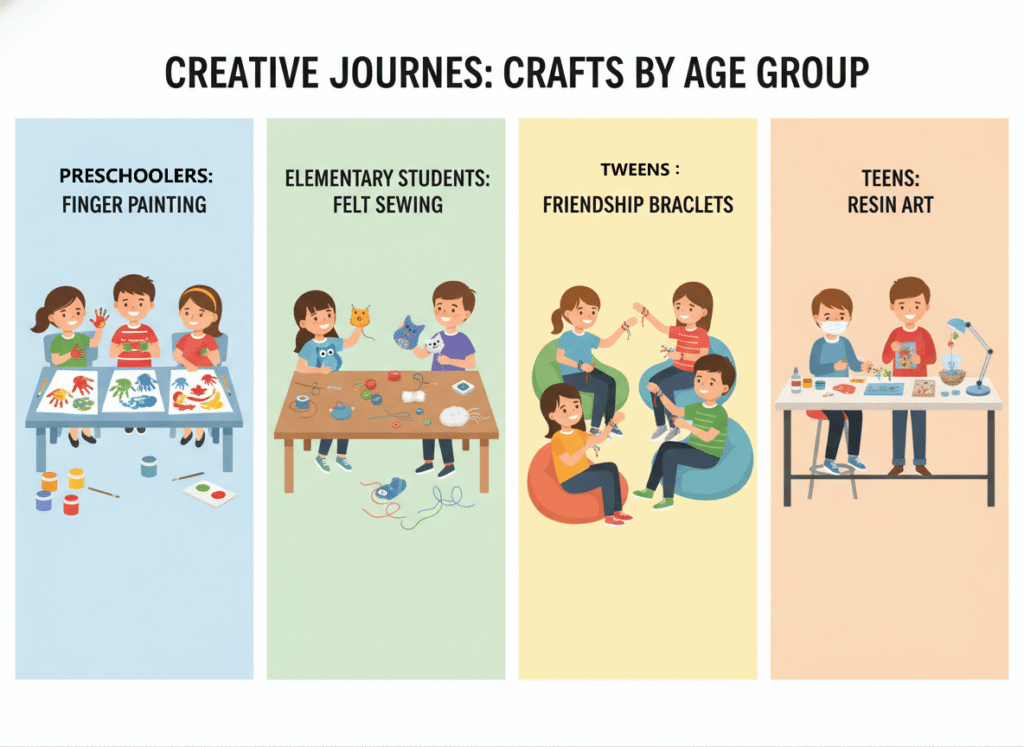
| Age Group | Recommended Craft Types | Focus Skills Developed |
|---|---|---|
| 3–5 (Preschool) | Finger painting, sticker art, chunky bead threading | Hand-eye coordination, color recognition |
| 6–8 (Elementary) | Simple sewing, clay modeling, rock painting | Fine motor skills, patience, spatial awareness |
| 9–12 (Tweens) | Polymer clay, friendship bracelets, embroidery | Design thinking, creativity, concentration |
| 13+ (Teens) | Woodworking, resin art, candle making | Artistic confidence, precision, craftsmanship |
You want something that feels achievable but still encourages curiosity. Younger children thrive on tactile experiences like clay or beads, while tweens love more polished results—like jewelry they can actually wear.
Tips for Matching Kits to Skill Level
- Start Simple: Begin with “all-in-one” kits that include pre-cut materials and step-by-step instructions.
- Check for Parental Support Level: Some kits require adult assistance (especially baking or woodworking).
- Focus on Repeatability: Great kits allow kids to repeat the activity, not just enjoy a one-time result.
- Consider Interest Triggers: If your child already loves drawing, an art or jewelry kit can deepen that passion.
Here’s what I’ve learned personally: a well-matched kit keeps my kids engaged for hours without frustration—and the finished product brings a genuine sense of pride.
What materials should I expect in a kids’ jewelry or craft kit?
Over the years, I’ve opened dozens of kits and noticed that material quality dictates both enjoyment and finished results. Cheap kits often include flimsy beads or scratchy fabrics, which can quickly discourage kids. So I’ve grown more particular about what comes inside.
Common Materials Found in Craft Kits
| Craft Type | Typical Materials Included | Bonus Features to Look For |
|---|---|---|
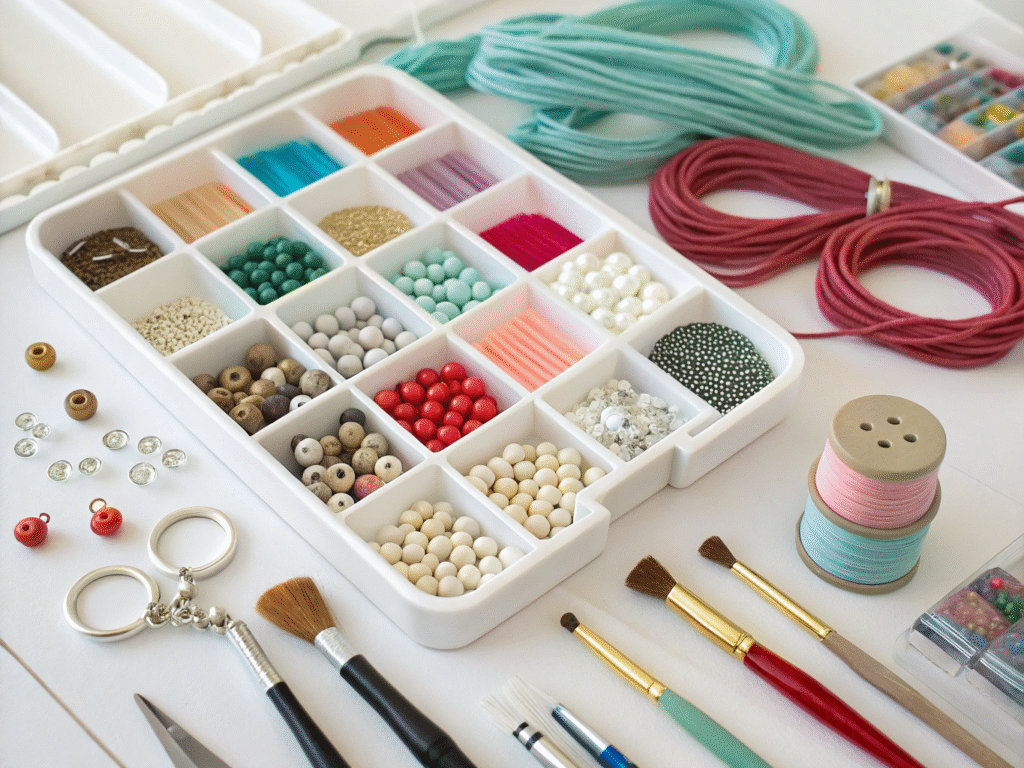
| Jewelry Kits | Clay beads, cords, clasps, alphabet charms | Sorting trays, resealable containers |
| Painting Kits | Non-toxic acrylics, brushes, canvas panels | Paint-by-number guides, aprons |
| Sewing Kits | Felt shapes, plastic needles, thread | Pre-punched holes, marker for seam tracing |
| Clay Kits | Air-dry or polymer clay, sculpting tools | Color mixing chart, reusable storage |
| Science Kits | Measuring tubes, chemical packets, instructions | Safety goggles, experiment logs |
What Makes Premium Kits Stand Out
From my experience, the best kits include:
- Organized compartments (so pieces don’t get lost mid-project)
- Clear bilingual instructions (especially helpful for international buyers)
- Extra supplies (a few spare beads or clay chunks go a long way)
- Reusable tools that work for multiple craft sessions
A good example is the current clay bead jewelry trend for ages 8–14. Kits include 6,000+ vinyl beads, clasps, and charms—enough to make dozens of bracelets. My tip: always check that materials are labeled “non-toxic” and “child-safe.”
How can I ensure the DIY kits I order are safe and non-toxic for children?
Safety is non-negotiable for me. A craft kit should inspire creative freedom—not expose kids to chemicals, allergens, or choking hazards. Here’s my simple checklist for confirming kit safety before purchase.
My Safety Verification Checklist
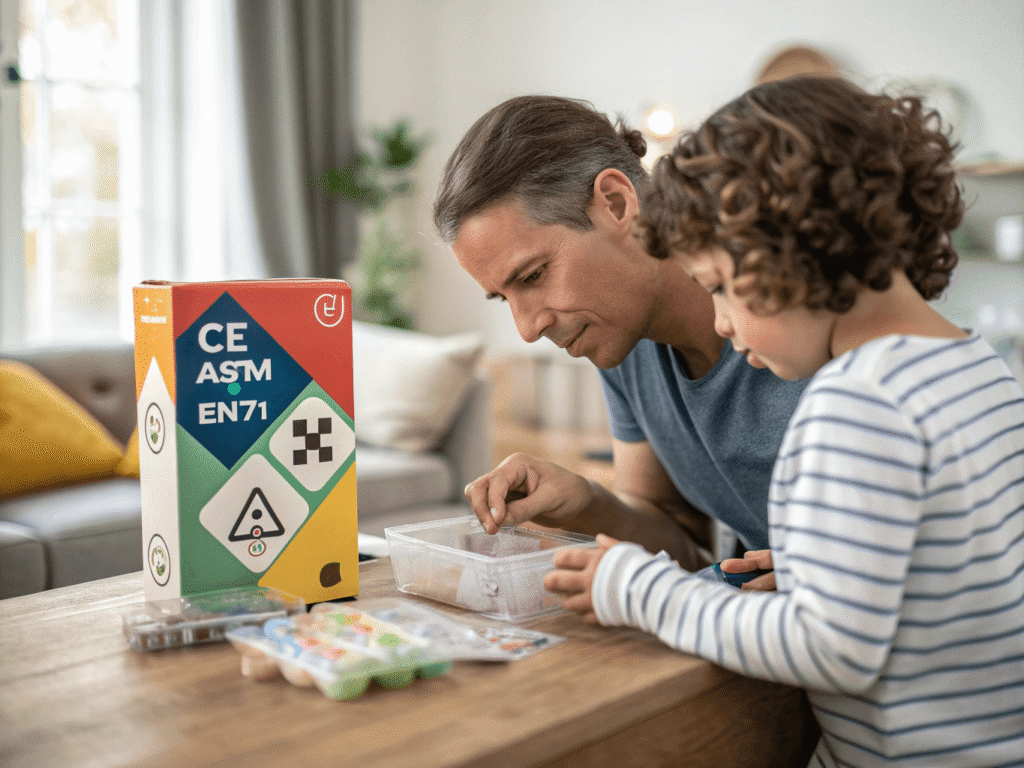
- Look for certifications: CE, ASTM D-4236, and EN71 labels ensure materials meet international toy safety standards.
- Check age recommendations: Labels like “Ages 3+” or “Not for under 8 years” are based on small parts and complexity.
- Confirm non-toxic materials: Art supplies should explicitly mention “water-based,” “non-toxic paint,” or “food-grade ingredients.”
- Avoid strong fragrances: Some scented kits use artificial perfumes that may trigger allergies.
- Read verified reviews: Parents often mention whether glue or paint has strong odors or causes rashes.
Packaging Clues You Can Trust
Quality brands clearly mark safety info on both packaging and instructions. I also prefer transparent kits where materials are visible through the box—no surprises when opening.
And a little tip from experience: always check expiration dates on edible or chemical-based kits (like slime or soap making). These materials can degrade and lose effectiveness over time.
Can I customize DIY kits for my retail or educational business orders?
As my kids’ school began hosting art workshops, I learned that bulk DIY kit customization can save time and ensure consistency. Many wholesalers and manufacturers now offer customizable kits tailored for retail, classrooms, or community programs.
Customization Options Available
- Logo & Branding: You can add your logo or color theme to packaging (ideal for gift shops or school fundraisers).
- Age-Group Bundling: Suppliers may pre-sort kits for specific grades—e.g., “STEM Grade 3–5 bundle.”
- Material Themes: Choose eco-friendly versions with recycled paper, bamboo beads, or plant-based paint.
- Instruction Localization: Request printed guides in multiple languages for international education programs.
If you plan to distribute kits through workshops or retail shelves, always test a few samples first. I’ve seen how slightly different packaging or bead sizes affect satisfaction and usability in group activities.
Conclusion
Looking back, I’ve realized that children’s craft kits do far more than create cute projects—they teach patience, planning, and creative problem-solving. The key is finding one that matches your child’s developmental stage, interests, and safety needs.
Whether it’s the tactile joy of clay modeling, the calm focus of embroidery, or the excitement of a science kit that fizzes and glows, the best craft kits help kids feel capable and proud. Based on my experience, I’d start with simple jewelry or art kits for ages 6–9, STEM projects for 10–12, and creative maker boxes for teens who crave independence.
So here’s my final advice: pick kits that make your child say, “Can I make another one?” — that’s the true magic of DIY crafting at home.
