
When I first introduced craft kits to my niece, I was amazed at how quickly she went from simply following instructions to inventing new ways to decorate and assemble. Like many parents and educators, I wanted to find something that could keep her entertained while nurturing creativity and patience. That’s how I discovered that children’s craft kits aren’t just about making pretty items—they’re powerful learning tools that help develop fine motor skills, problem-solving abilities, and confidence in self-expression.
Children’s craft kits are structured DIY sets that include all materials and instructions for completing creative projects. They help kids learn creativity by combining guided steps with the freedom to experiment. In this guide, I’ll explain what craft kits are, how they promote learning, and how to choose safe, age-appropriate options suited to your child’s interests and skill level.
From hands-on crafting to designing imaginative projects, I’ll walk you through how these kits can be both fun and educational. You’ll learn what to look for when buying, how kits build different creativity skills, and how to check that materials are safe and eco-friendly before gifting or using them.
How Can I Choose the Right DIY Craft Kit for My Child’s Age and Skill Level?
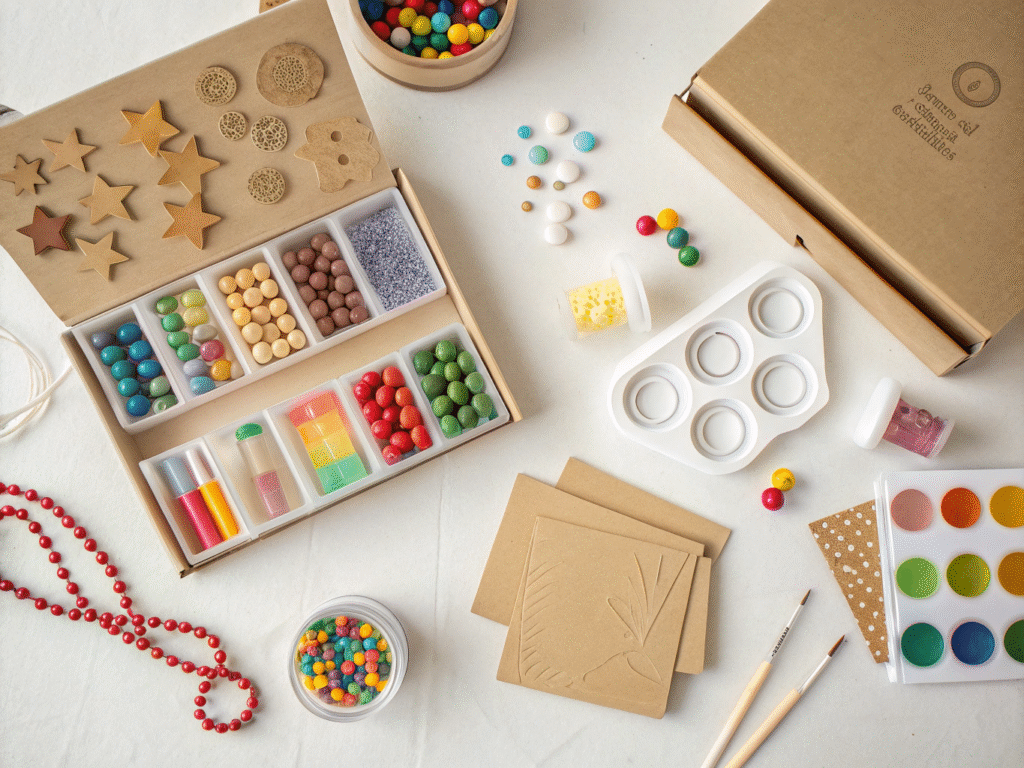
When I began exploring craft kits for younger children, I realized that not every kit suits every age. Some are overly complex for beginners, while others might feel too simplistic for older kids. Choosing the right kit is all about balancing age-appropriateness, skill level, and creative interest.
Understand Age Recommendations
Most kits clearly list suitable age ranges, but I always look beyond the label. For toddlers (ages 2–4), I focus on safety—kits with large, soft, or non-toxic parts. For ages 5–8, I look for instructions that foster independence but maintain supervision. Older children (9–12) can handle advanced kits involving patterns, design tasks, or fine motor assembly like jewelry-making or model building.
Here’s a quick reference:
| Age Group | Ideal Kit Type | Key Benefits | Supervision |
|---|---|---|---|
| 2–4 years | Simple art kits with stickers, big beads, safe glue | Basic color recognition, sensory play | Always required |
| 5–8 years | Painting, collage, clay kits | Creativity and motor skill development | Moderate |
| 9–12 years | Jewelry, model, and advanced DIY sets | Independence and detailed problem-solving | Minimal |
Match Skill Level and Interest
Every child is unique. If your child enjoys art, go for kits that involve painting or design. If they love science, experiment kits that include building and testing make excellent educational gifts. The goal is to nurture curiosity while gently challenging their existing abilities.
My tip: Start simple and let their confidence grow. Once they master basic kits, move to themed sets like eco-crafts, mosaic art, or jewelry-making to expand creative horizons.
What Types of Creative Skills Can My Kids Develop Through Jewelry-Making Kits?
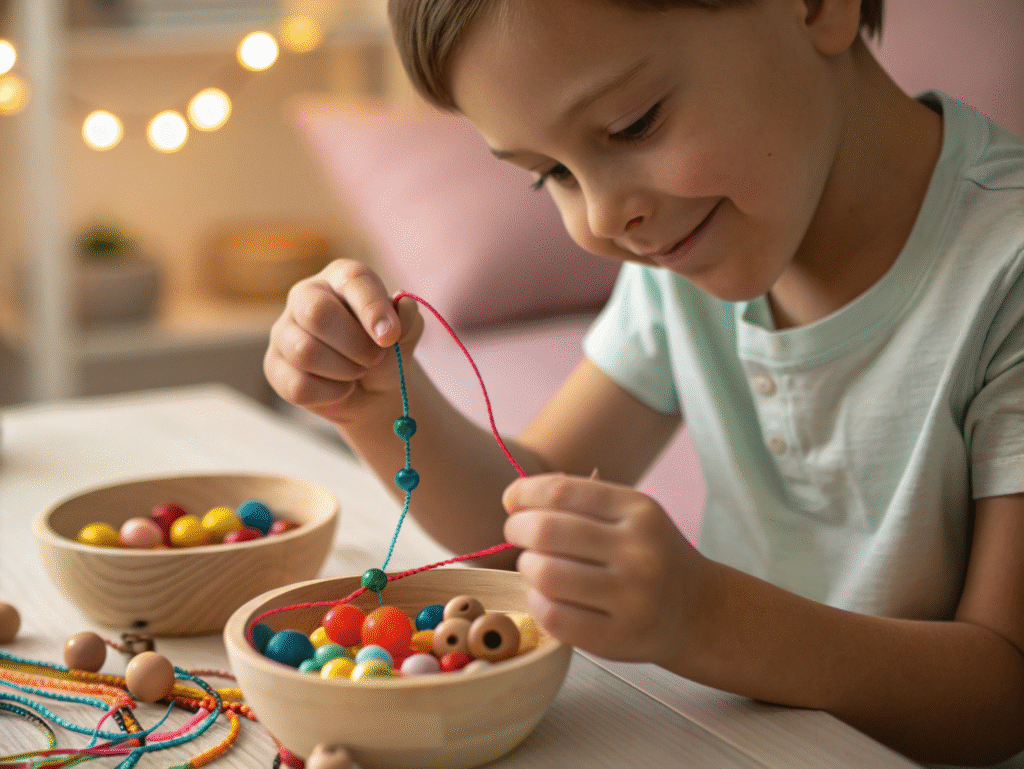
When I first tried a jewelry-making craft kit with my niece, she didn’t just make bracelets—she created color patterns, matched shapes, and learned patience. Jewelry-making kits are among the best creative tools for building multiple learning skills at once.
Skill Development Through Jewelry Crafting
- Fine Motor Skills – Threading beads, tying knots, and handling small pieces strengthen coordination and hand dexterity.
- Color and Pattern Recognition – Combining different shapes and hues introduces design principles naturally.
- Problem-Solving – When strings tangle or patterns don’t work out, children learn to redesign and adjust creatively.
- Planning and Sequencing – Kids learn to visualize outcomes before starting; it’s an early form of project management!
- Self-Expression and Confidence – Each finished piece feels personal, giving them a sense of achievement and individuality.
| Skill Area | Jewelry-Making Example | Learning Outcome |
|---|---|---|
| Pattern recognition | Arranging bead colors repeatedly | Introduces design logic |
| Planning | Sketching bracelet layout | Boosts visualization skills |
| Fine motor coordination | Threading beads | Improves focus and control |
| Creativity | Creating custom shapes | Encourages innovation and self-confidence |
Beyond Art – Emotional and Social Growth
Jewelry kits also teach patience and perseverance. Children must take time and care during each step, which enhances emotional regulation. Working in pairs or groups encourages cooperation and verbal communication, as they share materials and design ideas.
From bracelets to necklaces, every finished project becomes a tangible reflection of their creativity—a wearable story they designed themselves.
How Do I Know if the Materials in a Children’s Craft Kit Are Safe and Eco-Friendly?
Safety came first for me when buying my first DIY kit for kids. Paints, glues, or beads can sometimes contain harmful chemicals or choking hazards, so I learned how to check labels and certifications.
Check for Non-Toxic and Tested Materials
Look for kits marked:
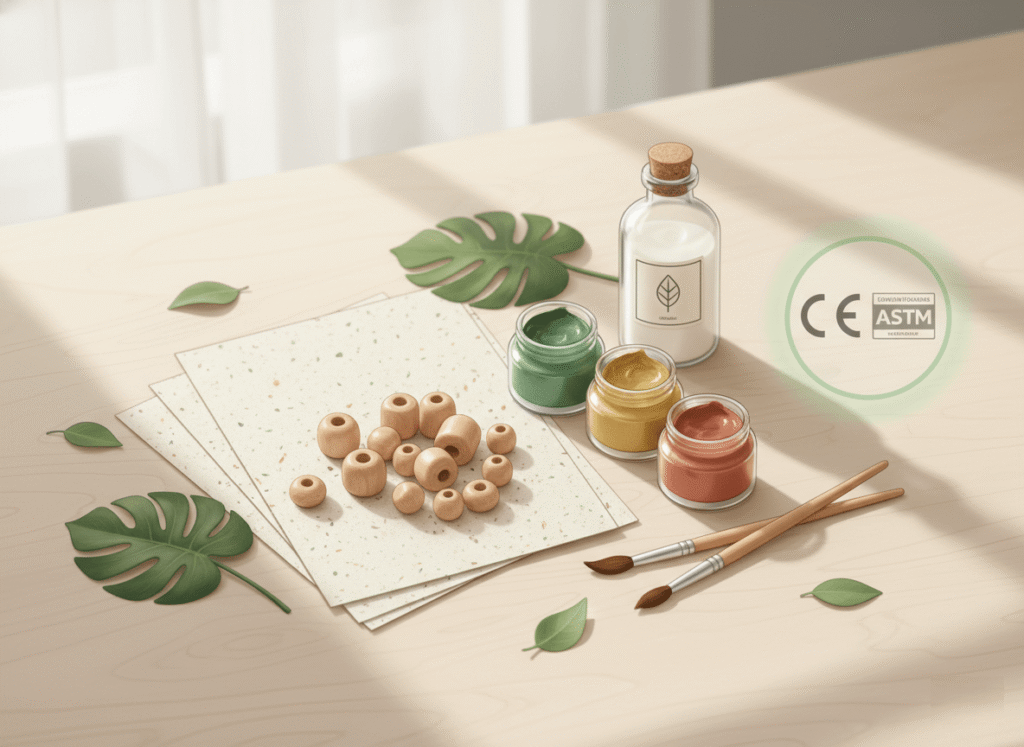
- Non-toxic or ASTM/D4236 certified (standard for art supplies)
- CE-approved (for European safety compliance)
- Child-safe labeling, meaning no sharp tools or small pieces for under-3-year-olds
I also read product descriptions carefully—especially when ordering online—to ensure materials like paint or clay are water-based and washable. If adhesives are included, I prefer natural glues over synthetic ones.
Choose Eco-Friendly Options
Eco-conscious craft kits use biodegradable or recyclable materials like cardboard, wood, natural dyes, and organic cotton cords. These reduce waste and teach kids about sustainability.
Here’s a quick comparison of safety and eco criteria I use:
| Material Type | Safety Aspect | Eco-Friendly Alternative |
|---|---|---|
| Plastic beads | Choking hazard for toddlers | Wooden or paper beads |
| Synthetic paint | May contain VOCs | Water-based or vegetable dyes |
| Regular glue | Chemical-based | Cornstarch-based glue |
| Foam sheets | Non-recyclable | Recycled paper or felt |
Tip: If you’re unsure, contact the manufacturer directly or look for verified reviews mentioning materials’ safety. A responsible brand usually lists all chemical safety data clearly.
Can DIY Craft Kits from China Be Customized for Educational or Gift Retail Purposes?
As someone who’s explored wholesale craft kits for school programs and gift shops, I’ve learned that many Chinese manufacturers offer fully customizable DIY kits. These can be tailored for age groups, educational subjects, or branding needs—especially useful if you’re a teacher, distributor, or boutique owner looking for unique creative products.
Options for Customization
Manufacturers often allow:
- Custom packaging with your brand logo or message
- Tailored material sets (e.g., eco-friendly, gender-themed, seasonal)
- Educational inserts or activity books for classroom use
- Adjusting complexity levels for preschool to teenage kits
This makes it easy to align products with local educational goals or retail trends.
Benefits of Partnering with OEM/ODM Suppliers
Collaborating with Original Equipment Manufacturer (OEM) or Original Design Manufacturer (ODM) providers ensures you get scalability and quality control. I’ve seen schools use these kits for art programs, while gift retailers create “learning-through-play” sets for holidays and birthdays.
| Custom Option | Ideal User | Example |
|---|---|---|
| Educational version | Schools, daycare centers | Kits with lesson-based activities |
| Gift edition | Toy retailers | Themed packaging for special events |
| Eco version | Green product brands | Biodegradable materials and reusable containers |
My Advice for Buyers
Before ordering, always request:
- Material safety certificates (ASTM, EN71)
- Sample kits to test usability
- Clear MOQ (minimum order quantity) and pricing breakdown
Not only does customization make kits more meaningful, but it also lets educators and parents promote creativity with safety and sustainability in mind.
Conclusion
After years of working with children’s craft kits, I’ve learned that they’re far more than fun activities—they’re gateways to creativity, confidence, and cognitive development. From matching colors to designing inventions, craft kits allow children to explore their imagination while building essential life skills.
Based on my experience, I recommend starting with simple, safe, age-appropriate kits and gradually introducing more complex types like jewelry-making or eco-crafts. Always check safety certifications and consider sustainable materials for peace of mind.
With the right craft kit, you’re not just buying art supplies—you’re giving kids the tools to express themselves, learn patience, and think creatively for life.
