
When I bought my first coin holder keychain, I thought it would be a five‑minute decision. Instead, I kept losing coins at parking meters, fumbling at toll booths, and digging through my bag at coffee shops. That’s when I realized a tiny accessory can make a big difference—if you choose the right one. Over time, I’ve tested several styles, from classic metal snap cases to silicone tubes and minimalist leather sleeves. Some looked great but scratched easily; others were practical but bulky. In this guide, I’ll share what actually works for beginners.
The best coin holder keychain for beginners balances compact size, quick access, secure closure, and durable materials like aluminum, stainless steel, silicone, or leather. In this guide, I’ll explain key buying factors (capacity, closure type, build quality, weight), compare popular styles, and recommend starter options under $20–$35 that are easy to use and built to last.
I’ll walk you through the features that matter, show the trade‑offs between materials and closures, and share the small lessons I learned (like why knurled caps beat smooth ones and how capacity determines real‑world usability). By the end, you’ll know exactly what to buy—and what to avoid—on your first try.
Table of Contents
- What Makes a Great Beginner Coin Holder Keychain
- Materials and Build: Metal vs. Silicone vs. Leather
- Capacity, Size, and Everyday Carry Comfort
- Closures, Security, and Ease of Access
- Conclusion
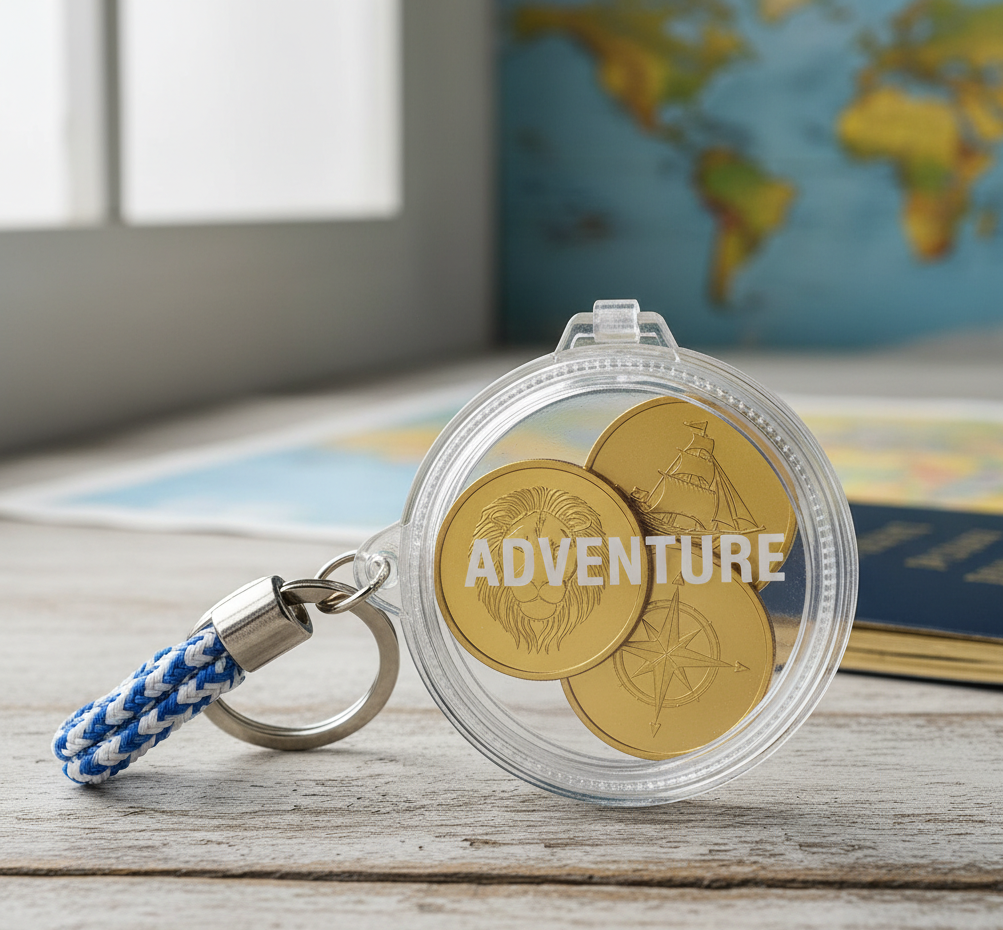
What Makes a Great Beginner Coin Holder Keychain
When I started comparing keychain coin holders, I focused on how it felt in real life: pulling it from a pocket, paying at a meter, and putting it back without thinking. For beginners, the best choice is simple, secure, and forgiving.
Here’s what I’ve learned to prioritize:
- Ease of access: You should retrieve a coin in 3–5 seconds without two‑hand gymnastics. Look for wide openings, thumb cutouts, or spring‑loaded dispensers.
- Secure closure: Magnets and snaps are fast; screw‑tops are most secure. If you commute or run, prioritize security. For desk-to-car routines, prioritize speed.
- Pocket comfort: Rounded edges and soft finishes prevent wear on pockets and screens. Bulky boxes snag; smooth tubes disappear in the pocket.
- Durable materials: Anodized aluminum, stainless steel, thick silicone, and full‑grain leather age well. Cheap plastics crack and look tired quickly.
- Capacity you’ll actually use: For meters and coffee, 6–10 coins is plenty. For laundromats or transit, 12–20 coins saves frustration.
- Keychain hardware: A sturdy split ring or carabiner clip matters more than it seems. Weak hardware is the first failure point.
Beginner‑friendly styles I recommend:
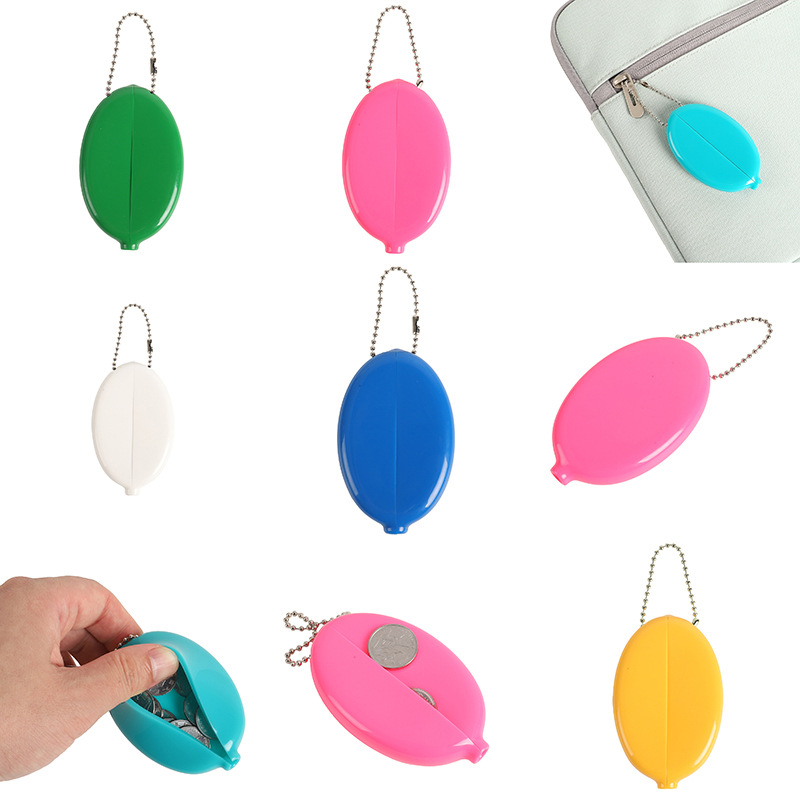
- Silicone squeeze holders: Light, quiet, and fast access. Great for 6–10 coins.
- Aluminum or stainless tubes: Ultra secure, compact, and durable. Ideal if you’re rough on gear.
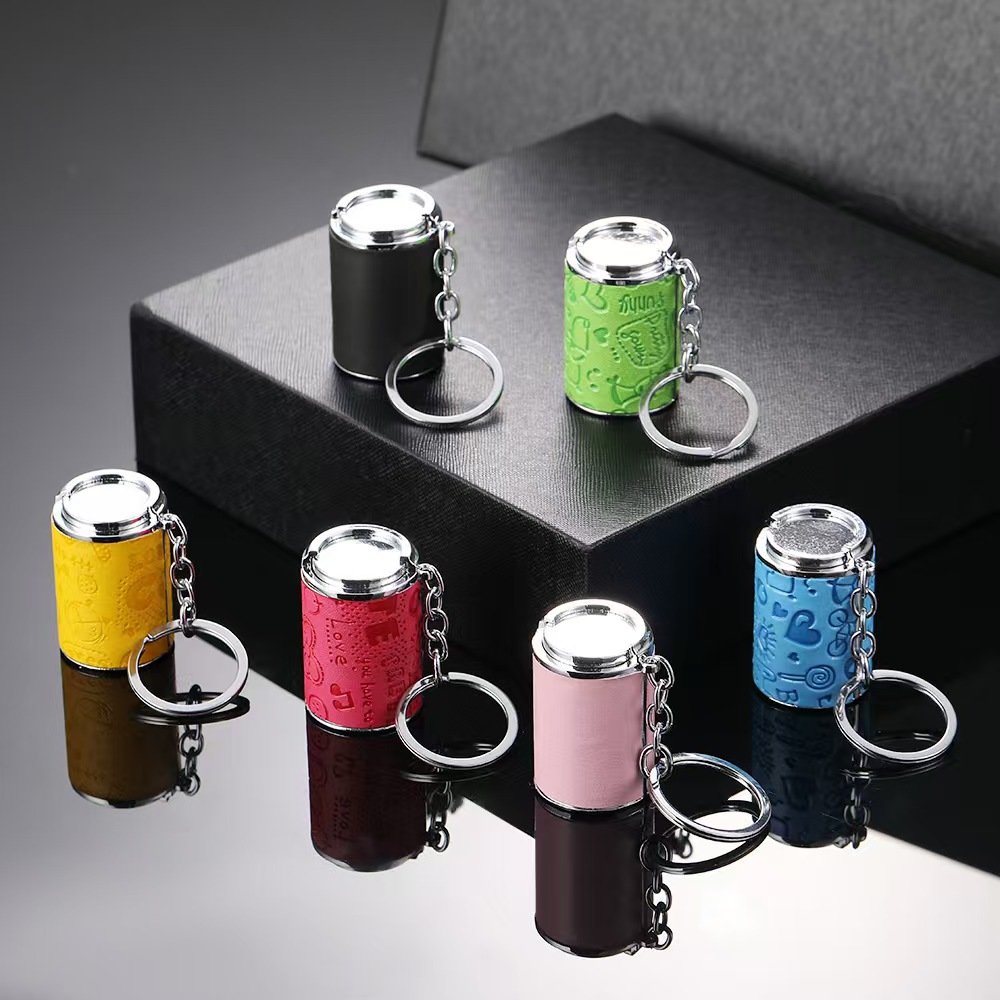
- Leather sleeves with snaps: Stylish and quick; works best for a few coins plus folded bills.
Pro tip I wish I knew sooner: Choose a finish with grip. Knurled or textured caps are far easier to open in cold or wet conditions.
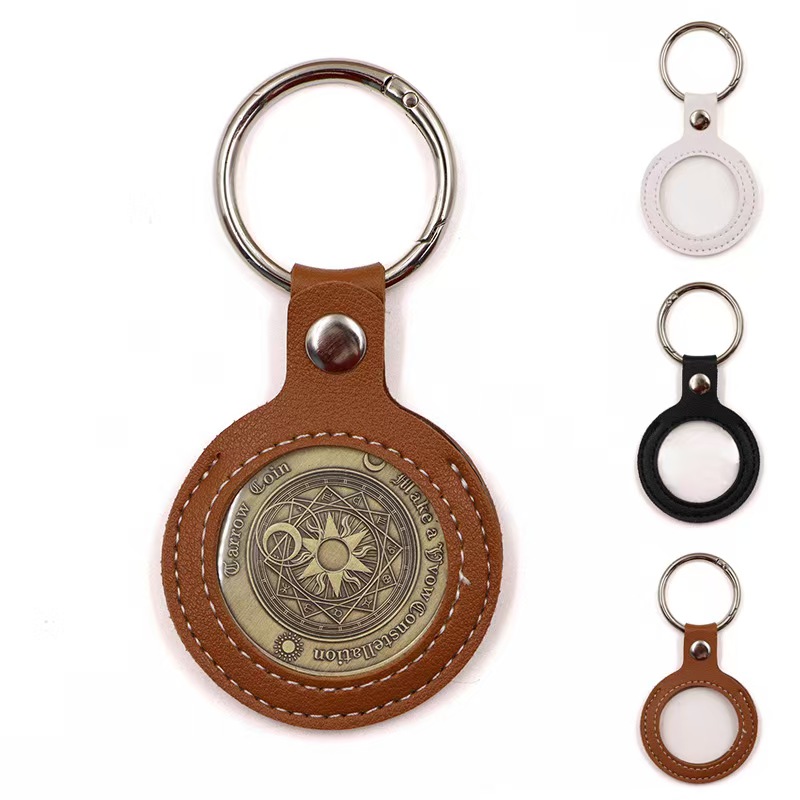
Leather sleeves with snap coin holder keychain
Quick Comparison: Starter-Friendly Types
| Type | Key Strengths | Watch-outs | Best For |
|---|---|---|---|
| Silicone Squeeze Pouch | Super light, silent, quick access, affordable | Can stretch over years, collects lint | Daily coffee, parking meters |
| Aluminum Tube (Screw Cap) | Very secure, durable, pocket-friendly | Slightly slower to open; cap can roll | Commuting, travel, active use |
| Stainless Spring Dispenser | One-handed dispensing, satisfying click | Heavier, pricier | Frequent small payments |
| Leather Snap Sleeve | Stylish, quick, holds bills too | Needs care; snaps can loosen | Minimalist EDC, gifting |
| Plastic Snap Case | Cheap, easy to open | Scratches, cracks, looks worn fast | Occasional use, tight budgets |
Materials and Build: Metal vs. Silicone vs. Leather
Material choice is where most beginners overthink—and where long‑term satisfaction is won or lost. I’ve carried each type for weeks to feel how they age and behave in pockets, bags, and on the go.
Metal (Aluminum, Stainless Steel, Brass)
- Why I like it: It’s durable, precise, and feels premium. Aluminum is light; stainless is tough; brass develops a beautiful patina.
- Real‑world perks: Rounded tubes or pill‑style cases slide into a coin pocket and don’t crush. Threads and seals protect coins from moisture.
- Trade‑offs: Metal can rattle if coins are loose. Smooth caps can be slippery; knurling helps.
Best picks by scenario:
- Aluminum tube with knurled screw cap for daily carry (lightest).
- Stainless spring‑loaded dispenser if you want true one‑hand operation.
- Brass if you love patina and don’t mind extra weight.
Silicone
- Why I like it: Soft, quiet, and forgiving. Great for beginners who hate metal clink.
- Real‑world perks: Squeeze to open, release to seal. Works well in winter when dexterity is low.
- Trade‑offs: Attracts pocket lint, and cheap silicone can stretch or tear over time.
What to look for:
- Thick, food‑grade silicone with a reinforced lip.
- A secure keyring eyelet—not just a molded nub.
Leather
- Why I like it: Timeless look, soft in pocket, great as a gift.
- Real‑world perks: Snap or magnetic closures are fast. Leather buffers noise and scratches.
- Trade‑offs: Needs occasional conditioning. Avoid too‑thin leather or weak stitching.
What to look for:
- Full‑grain or top‑grain leather, stitched edges, reinforced keyring hardware.
- Snaps from reputable makers (e.g., heavy‑duty brass snaps).
Plastic
- Why I rarely recommend it: It’s inexpensive and light, but it scuffs, cracks, and looks tired fast.
- When it’s OK: If you’re testing the concept before upgrading.
Durability Snapshot
| Material | Weight | Durability | Noise | Maintenance | Price Range |
|---|---|---|---|---|---|
| Aluminum | Light | High | Medium | Low | $12–$30 |
| Stainless | Medium | Very High | Medium | Low | $18–$40 |
| Brass | Medium-Heavy | High | Medium | Low | $20–$45 |
| Silicone | Very Light | Medium | Low | Low | $8–$18 |
| Leather | Light-Medium | Medium-High | Low | Medium | $15–$35 |
| Plastic | Very Light | Low | Medium | Low | $5–$12 |
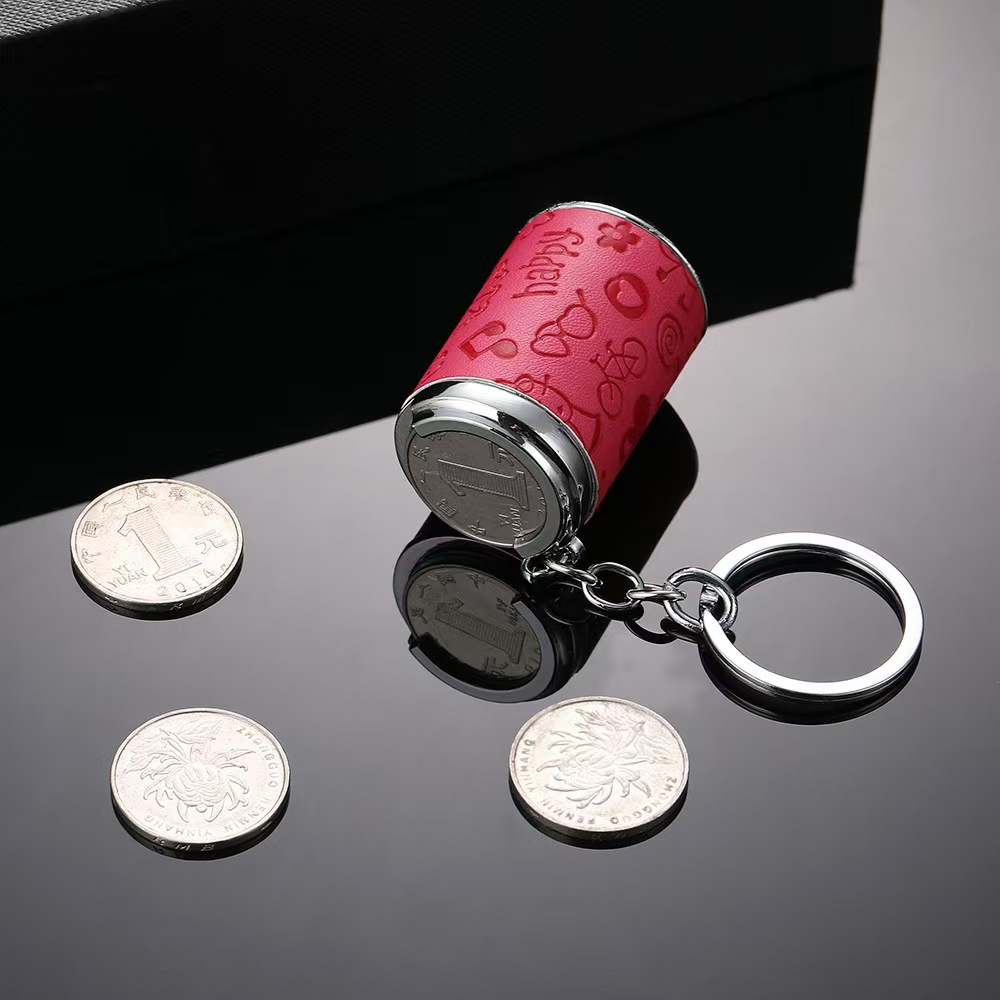
stainless steel cube coin holder keychain
Capacity, Size, and Everyday Carry Comfort
Your ideal capacity depends on how you actually spend coins. When I tracked my usage for a week, I averaged 8 coins per day for parking and coffee. That taught me two things: I didn’t need a bulky organizer, and fast access trumped maximum capacity.
How many coins do you really need?
- Light use (meters, tips): 6–10 coins total
- Moderate use (transit + coffee): 10–16 coins
- Heavy use (laundry, markets): 16–24 coins
Tip: Consider your coin mix. U.S. quarters or Euro coins are thicker than pennies. A holder that fits 12 quarters might hold 15–18 smaller coins.
Size and pocket comfort
Here’s what consistently felt the best:
- Diameter under 1 inch (25 mm) or a slim profile under 0.6 inches (15 mm) for pocket carry.
- Rounded edges to avoid snagging.
- Weight under 2 oz (56 g) loaded if you carry keys and a phone in the same pocket.
Shape and ergonomics
- Tube: Most compact and secure; great for backpacks or clipped to belt loops.
- Pouch: Fastest access; easiest for cold hands or gloves.
- Sleeve: Flattest profile; shares space with a couple of folded bills.
Real-world pairing
I often pair a small silicone holder for daily coins with a metal tube in my bag as a “refill.” That way, my pocket carry stays light, but I don’t run out on longer days.
Closures, Security, and Ease of Access
Closures determine how confident you feel when you toss your keys or jog to catch a bus. I’ve had coins spill from weak zippers and over‑loose snaps; it only takes one mishap to care about this.
Common closure types, tested
- Screw cap (metal tube)
- Pros: Most secure; often water resistant. Threads resist accidental opening.
- Cons: Slower to open; smooth caps can be slippery.
- What I look for: Knurled grip, clean threading, optional O‑ring.
- Magnetic flap (leather/silicone hybrids)
- Pros: Fast and satisfying; great one‑handed access.
- Cons: Magnets must be strong; too weak and coins can work loose.
- What I look for: Hidden rare‑earth magnets and a deep pocket design.
- Snaps (leather sleeves)
- Pros: Reliable and affordable; easy to repair.
- Cons: Can loosen over time; alignment matters.
- What I look for: Heavy‑duty snaps, reinforced leather.
- Squeeze slot (silicone pouches)
- Pros: Quick to use, quiet, great in cold weather.
- Cons: Requires quality silicone to retain shape; can let tiny coins slip if slit is too wide.
- What I look for: Thick slit with tapered lip and a firm hinge side.
- Spring dispenser (stainless frames)
- Pros: Single‑coin precision; genuinely one‑handed.
- Cons: Heavier and often pricier; fixed to specific coin sizes.
- What I look for: Smooth spring action and compatibility with your most used coin.
Security vs. speed: which should you choose?
- Security first: Choose a screw‑top aluminum or stainless tube with an O‑ring if you run, cycle, or travel frequently.
- Speed first: Go with a silicone squeeze or leather magnetic flap for kiosk payments and quick stops.
- Balanced: A leather snap sleeve with a tight snap and deep pocket gives speed without sacrificing too much security.
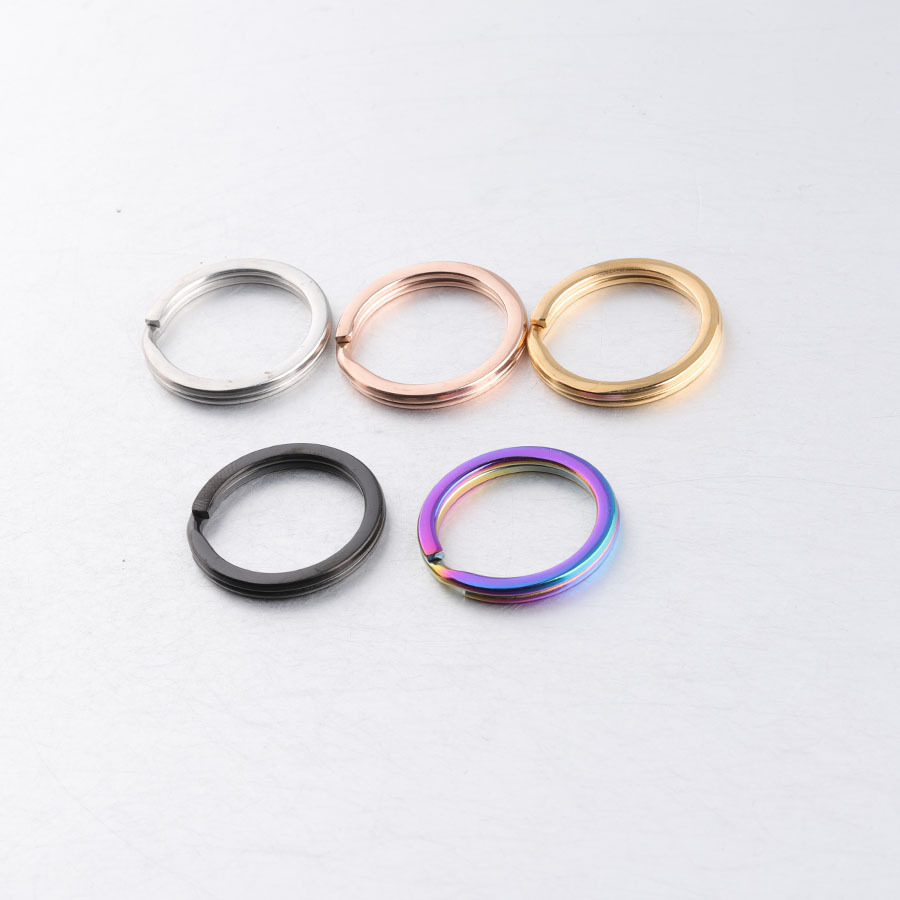
Hardware matters more than you think
I’ve had keychains fail at the ring, not the holder. Prioritize:
- Solid split rings (1–1.2 mm thick)
- A D‑ring or swivel to prevent twisting
- Optional mini‑carabiner for bag attachment days
Starter Recommendations (by use case)
| Use Case | What I’d Choose | Why |
|---|---|---|
| Daily parking + coffee | Silicone squeeze pouch (8–12 coin capacity) | Fast, light, quiet |
| Commuting + occasional running | Aluminum tube with knurled screw cap | Secure, compact, durable |
| Heavy coin use (laundry, transit) | Stainless spring dispenser + backup pouch | One‑hand dispensing; extra capacity |
| Minimalist EDC and gifting | Leather snap sleeve | Stylish, quick access, holds a few bills |
| Budget test run | Basic silicone or plastic snap case | Try the habit before upgrading |
Small features that made a big difference
- Knurling on caps: Better grip with cold hands.
- O‑ring or gasket: Prevents cap loosening and moisture ingress.
- Flat base: Lets a tube stand while you sort coins.
- Keyring orientation: Side‑mounted loops reduce bulk at the top.
- Color coding: I use different colors for different coin currencies when traveling.
Conclusion
Choosing your first coin holder keychain is about matching real‑world habits to simple, reliable design. If you want fast access and light carry, start with a thick silicone squeeze pouch that holds 8–12 coins. If you need maximum security and durability, an aluminum or stainless tube with a knurled screw cap is the set‑and‑forget option. For a stylish, gift‑worthy pick, a leather snap sleeve balances quick access with classic looks.
Based on my experience, I’d start with a silicone pouch for everyday errands and upgrade to a metal tube if you find yourself running, traveling, or carrying more than 12 coins regularly. Keep an eye on the closure quality and the keyring hardware—those two details determine whether you’ll love it or leave it in a drawer.
If you’ve been frustrated by jingling pockets or last‑minute meter scrambles, the right coin holder keychain is a small upgrade that pays off every day. Pick one that suits your routine, and you’ll wonder how you managed without it.
