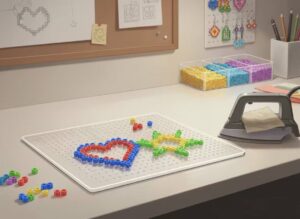

What Are Fuse Beads and How Do They Work?
Fuse beads are heat-fusible LDPE craft beads used to create design panels, charms, or accessories. When heated under parchment using an iron, they partially melt—bonding together into one cohesive unit.

Fuse beads are heat-fusible LDPE craft beads used to create design panels, charms, or accessories. When heated under parchment using an iron, they partially melt—bonding together into one cohesive unit.

Jewelry kits attract sustainable fashion lovers by merging creativity and ethical sourcing. Made from recycled metals, ethically sourced beads, and biodegradable packaging, these kits empower consumers to create personalized jewelry pieces that align with slow fashion values.

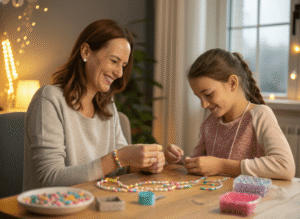
Jewelry kits are popular among mothers and daughters because they transform jewelry-making from a simple craft into an emotionally charged bonding experience. They combine affordability, personalization, and creative learning—offering manufacturers multiple ways to add value through safer materials, customizable packaging, and thematic designs.

Jewelry making kits are exceptional gifts for creative teens. They offer hands-on engagement, psychological benefits, and strong potential for brand customization, making them ideal products for both the consumer market and retail distribution.

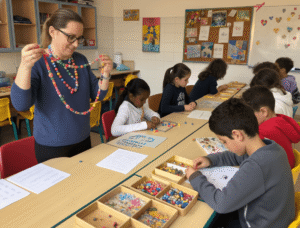
Jewelry kits for after-school programs empower teachers to combine art education with real-world skill-building. Safe and affordable kits sourced from reliable suppliers help students explore color theory, cultural traditions, and even entrepreneurship.

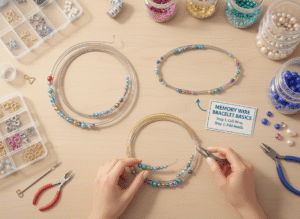
The easiest jewelry making kits for beginners feature stretch bracelet patterns, single-strand necklaces or earrings, and memory wire layouts. These kits use pre-sorted, compartmentalized trays with clear visual diagrams, pre-cut materials, and symmetrical bead sequences. Flat-lay storage and all-inclusive supplies minimize errors and boost user satisfaction—making them ideal for first-time jewelry makers and high-volume DIY distributors.

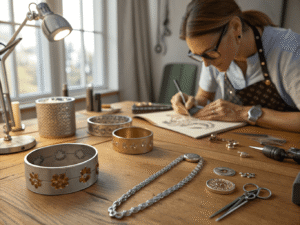
Yes, you can achieve remarkably similar aesthetics through DIY kits — but not identical reproductions. The challenge lies in understanding what materials, tools, and finishing techniques bridge the gap between handmade craft and luxury-grade craftsmanship.

Matching necklaces and bracelets crafted from the same jewelry-making kit achieve visual harmony by using unified plating tones, focal charms, and bead progressions. The key is to plan proportional distribution—larger centerpiece beads for necklaces, smaller repeats for bracelets—and standardize materials.

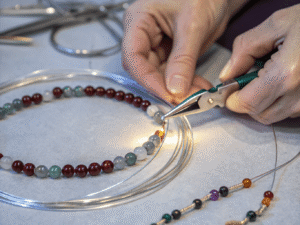
Beginners often skip essential steps such as proper material selection, tool use, and plating control. Avoiding issues like mismatched wires, excessive force during assembly, and poor quality verification ensures finished jewelry looks professionally made.