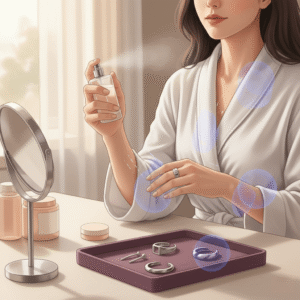

What Materials Can Damage Stainless Steel Jewelry?
Understanding these damaging factors helps you protect your inventory, maintain product quality during manufacturing and export, and ensure your clients receive jewelry that truly lasts.
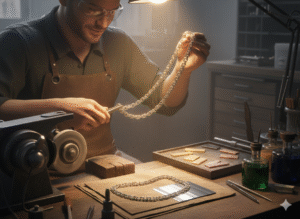

Understanding these damaging factors helps you protect your inventory, maintain product quality during manufacturing and export, and ensure your clients receive jewelry that truly lasts.
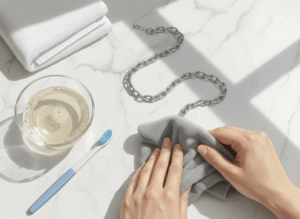
Stainless steel necklaces can be repaired, but the process often requires specialized equipment and expertise.

Understanding the material science behind corrosion resistance, as well as proper finishing and maintenance, will extend the life of your stainless steel jewelry significantly.

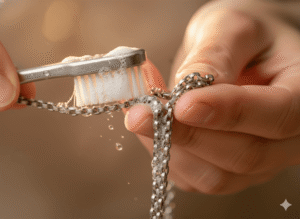
Clean a stainless steel necklace every two to four weeks under normal use. If you wear it daily or during workouts, clean it weekly and do a quick wipe-down after each wear.

Stainless steel jewelry resists tarnish thanks to its chromium oxide layer, but it can still lose luster from moisture, chemicals, and abrasion.

Stainless steel is durable and fairly forgiving, but it still appreciates a gentle touch.

The best stainless steel necklaces for sensitive skin are made from high-quality 304 stainless steel with low nickel release and proper surface finishing

The best metal for jewelry that balances strength, cost, and long-term durability is stainless steel.

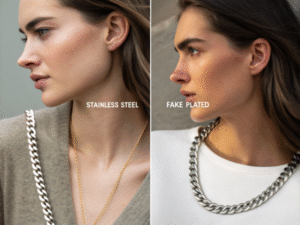
The best way to identify a genuine stainless steel necklace is by combining visual inspection, magnet and acid tests, hallmark checks, and vendor verification.